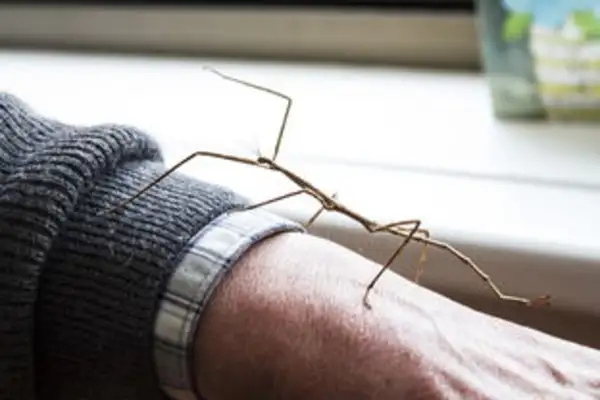
Phasmatodea, also known as bamboo, bamboo or tree insects, is a very interesting insect whose appearance is very similar to that of bamboo branches or branches. Pyramids are part of the insect outline and appear to have few activities, usually inhabiting plants and avoiding natural enemies with their disguised skills. As a unique pet, bamboo vermin has been favoured by a growing number of insect lovers in recent years. This paper provides a detailed overview of the species of bamboo vermin, individual characteristics, breeding skills and hair care to help you raise this strange little life better. I. Overview of varieties
There is a wide variety of bamboo vermin, with some 2,000 species worldwide, some of which are particularly suitable for pet breeding. There are many species of bamboo vermin, ranging from a few to 20 centimetres in size, and very rich in colour and shape. The most common species of bamboo vermin are: Pharmacia ponderosa, which is large, can be as large as 15-20 cm, has a bamboo branch and is mainly inhabited in the tropics. They feed on bamboo, and they mimic the shape of bamboo branches. Carausius morosus: This is about 8-10 cm long and has a long shape, usually green or brown. They are adaptable and suitable for indoor breeding, and they are the pets often chosen by the insects. Extatosoma tiaratum: The mackerel form is large, 25 cm long, colorful, usually grey brown or brown, with a large number of thorns in the leg and body and very interesting.
Insect species generally have a good capacity to disguise and are cleverly imitating plant branches to reduce the risk of being preyed on by natural enemies. II. Characteristic characteristics
Bamboo worm as pet, generally mild. Their behaviour is quiet, they do not attack, and they are not anxious. They usually do not like active contact. They prefer to stop quietly somewhere and pretend to be themselves. The bamboo vermin is a community animal. They are relatively harmonious in the same breeding environment, but need to be provided with sufficient space to avoid overcrowding. The temperamental character: bamboo vermin usually do not appear aggressive, but rather more afraid of people. They are very shy, and if they are touched, they are usually avoided by false death or escape. Low activity: The activity of bamboo vermin is very limited and relies mainly on disguise to avoid predators. They usually operate at night and prefer to stay in the dark during the day. (b) Grouping: While it is an independent individual, it is dependent on group life. In an appropriate environment, the mackerel manifests a degree of social and interdependence. III. Livestock techniques
The breeding of bamboo worms is not complicated, but in order to ensure their healthy growth, we need to acquire some basic breeding techniques. 1. Livestock environment
The environmental requirements of the bamboo vermin are relatively simple, mainly to control temperature and humidity. The most appropriate ambient temperature is 20-28°C and the humidity remains between 60 and 80%. Since bamboo vermin prefers to live in plants, there is a need to provide a suitable plant environment during rearing. (b) Boxing: Select a transparent rearing box to ensure that bamboo worms have sufficient light. The packaging shall be well ventilated and may be pierced on the lid to ensure air circulation. Plant configuration: Some suitable plants, such as bamboo, branches and green leaves, can be placed in rearing boxes, which will not only provide a good habitat for bamboo vermin but also ensure that they can find food. Dietary requirements
The bamboo vermin is a special food animal that is fed mainly by plant leaves. The most common foods include bamboo leaves, leaf leaves, ceremonial leaves, fig leaves, etc. Ensure that food is fresh and regularly replaced in order to avoid the atrophy of plant leaves and to affect the appetite of bamboo vermin.
Insects need not be fed frequently, and can provide fresh leaves every two days to avoid excessive feeding leading to food decay and contamination of the breeding environment. 3. Humidity and cleaning
Maintaining proper humidity is important for the health of bamboo worms. Humidity can be increased by regular spraying of fog by sprayers, but excessive humidity caused by fungus reproduction is avoided. The rearing boxes also require regular cleaning to remove leaves and faeces from the bamboo worms in order to keep the environment clean and hygienic. 4. Light demand
The demand for light from bamboo worms is low, and strong sunlight can be avoided. In most cases, indoor natural light is sufficient to meet the needs of bamboo worms, but they can provide appropriate dispersive light to imitate light in the natural environment. IV. Hair protection
The look of the bamboo vermin seems to have “hairs”, but they are in fact small body pricks and hard hair. These “hairs” are not traditional hairs, but a tool for their disguise. Pygmy worms do not need to care for their hair like mammals, but they can be healthy by avoiding direct contact: although the “hairs” of bamboo worms do not fall like animal hairs, excessive exposure can lead to the defilement of their surfaces, thereby affecting their capacity to disguise. Avoid frequent contact with bamboo worms. Cleaning: Regular cleaning of the environment, cleaning of dust, cleaning of body surfaces and avoidance of bacteria or fungus. Healthy Eating: Ensuring adequate nutrition for bamboo vermin so that their “hairs” remain healthy and disguised. Concluding remarks
As pets, bamboo vermin is not only of great value but also provides us with a window to observe natural miracles. Their unique disguise skills, temperamental personality and simple demand for rearing make bamboo vermin a very popular pet. Through rational breeding and care, bamboo vermin can thrive in the right environment and become a unique member of your pet world.