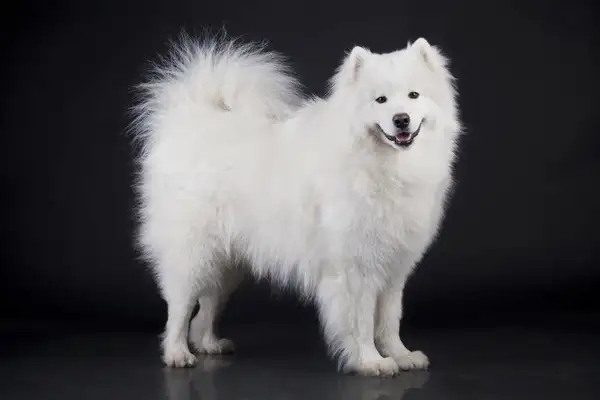
Siberian Husky is a dog species from the Arctic, first cultivated by the Chukchi people of Siberia, mainly for sled and working dogs in the snow. They are known for their bravery, intelligence, independence and ability to withstand the cold. They are medium-sized dogs with a dynamic physical and very attractive appearance. Haskill usually has a unique "mask" mark on his face, with large eyes of blue or different colours (the colours of the two eyes differ), which makes their appearance attractive. Haskei's hair is thick and double-layered and can effectively withstand the harsh weather. As their appearance and character became known to the world, Haski became a very popular pet dog.
 Character characteristics
Haski is a very independent and intelligent dog. While they are usually friendly and enthusiastic, they are also more autonomous. Haskill usually follows his will and does not always follow the orders of his master, making their training relatively difficult. Therefore, the owner of a Hascchi needs sufficient patience and perseverance to conduct the training.
Haschie has a very lively character, and they like to interact with human beings, especially with children. They are usually very friendly and suited to family life, but because of their strong hunting instincts, they may show a strong appetite for small animals (such as cats, rabbits, etc.). Therefore, in cases where families have other small pets, particular care is required when raising Haschi.
Haskis is alive and very sportsy. Activities such as long running, hiking or sleighing are well suited to them. Haskill needs greater activity space and adequate exercise, otherwise they may become anxious and even become disruptive.
Haski sometimes showed a tendency to “slonely howl”. They do not like being alone, and being alone for a long time may make them uncomfortable. Hashiki's howling is not uncommon, and this habit is related to the way their ancestors “communication” when they were sleigh dogs. As a result, they may cry at night or during the day as a way of expressing their emotions. Adequate exercise in rearing techniques: Haskee is a dynamic dog that requires a great deal of exercise to consume energy and maintain healthy weight and mental state. At least one or two hours of sport per day, including walking, running or interactive games. In the case of active Haschics, a mere walk may not be sufficient to meet their sports needs, so the owner may consider taking them for a run or an outdoor activity. Early socialization: Harsh is natural and friendly, but they are more independent and therefore need to begin socialization training from an early age so that they can become accustomed to living with human beings and other pets. Early socialization training can help Hascchi to develop appropriate behaviour and avoid aggressive behaviour towards strangers or other animals. Regular training: albeit highly intellectual, their independence may make training challenging. Masters therefore need to adopt a moderate but firm approach to training. Use of positive enhancements, such as rewards and incentives, can help them better understand the expectations of their owners. Make sure Haschi understands what is encouraged and what is not allowed. Good fencing and security measures: They may attempt to escape the fence or fence because of Hascchi ' s strong desire to explore. In order to ensure their safety, the master needs to ensure that the fence is sufficiently high and robust to prevent Haskee jumping or excavating. Dietary management: Hashiki ' s diet needs to be adjusted to his age, activity and state of health. Usually, Haschi needs high protein food to maintain their vitality and muscle quality. It is also important to control diets to avoid obesity, especially if Haskei lacks sufficient exercise, and is prone to overweight. Hair care
Haskit's hair is dense and double, rough and soft and waterproof. Such hair structures allow Haskee to adapt to cold climates, but in warm environments, excessive hair can lead to overheating. Therefore, proper hair care is essential. Regular combing: Haskee's hair is easy to tie, especially during the fur exchange season. In order to maintain the health of hair and avoid knots, it is recommended that the owner comb at least two or three times a week. During the hair exchange period (usually in spring and autumn), Haskill loses a large amount of hair, which requires special attention to combing. The use of professional dog hair combs can help remove hairfloating and keep hair smooth. Frequency of bathing: Haschie ' s skin is relatively dry and excessive bathing can damage their skin ' s natural grease and cause skin problems. Thus, a bath is sufficient every two to three months unless Haskei is particularly dirty or smelly. In bathing, the use of mild pet shampoo is recommended to avoid the use of products containing irritant chemical components. Keep your ears clean: Haskill's ears are relatively straight and tend to pile up, so regular ear-checking and cleaning are necessary. The use of ear cleaning fluids for pets and the soft cleaning of the inner side of the ears can effectively avoid ear infections. Nail trim: Haskei's nails need to be regularly trimmed, usually once a month. When the nails grow longer, they may affect Haschi's walking position, even leading to discomfort or injury. The master can trim his nails with a fingernail knife for pets. Summary
Haschi is a vibrant, intelligent and independent dog, well suited to a family that likes outdoor activities. The raising of Haschic requires considerable effort and time, especially in terms of exercise, training and hair care. Through appropriate training, adequate exercise and regular hair care, Haschi can become a happy and healthy family member.