Turtle molluscs (usually the softening of shells due to metabolic bone disease) are not uncommon in home-grown turtles. It is often not the result of a single cause, but of a combination of diet, lighting, environment and health. Below is a set of available responses from the point of view of causes, treatment and prevention.
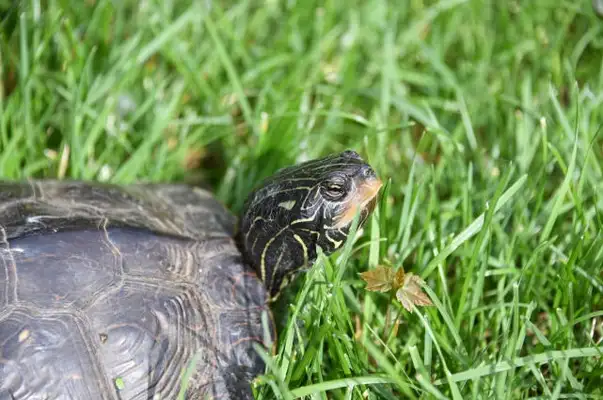
The main causes of the content focus (a summary of core points) are: inadequate calcium intake, imbalanced calcium phosphorus ratio, lack of vitamin D3, insufficient exposure to UVB, single feeding structure (high proteins/low calcium), shell injuries and secondary infections, chronic humidity or inappropriate temperature humidity affecting calcium absorption and metabolism. Diagnosis points: visible softness of the shell, elastic pressure reduction, quadrastic motor disorder, reduced appetite and reduced body weight; assessment of bone density and lower shell structure through blood tests (calcium, phosphorus, alkaline phosphate enzymes, etc.) and X-rays, as necessary; sometimes the exclusion of infectious shell disease or other disease. The principle of treatment: immediately optimize the environment and nutrition, supplement calcium and vitamin D3 with veterinary guidance, where necessary, increase the intensity and duration of exposure to the UVB, deal with hull infections or case handling, and closely observe and gradually recover. Precautionary elements: maintenance of a suitable ca: P ratio (common recommendations approximately 1.5:1 to 2:1) with regular calcium supplementation Powder (more suitable and described with D3) ensures sufficient UVB exposure to the gasking area temperature, balanced dietary diversification, and water quality and living environmental management are in place. Response programme (complete path): Phased day-to-day management, nutrition adjustment, environmental optimization and re-diagnosis processes to ensure the gradual recovery of turtles and prevent recurrence.
II. Causes and risk factors (why soft shell) mineral and vitamin deficiency: inadequate calcium intake, inappropriate calcium phosphorus ratios, or vitamin D3 deficiency, hinder the mineralization of bones and shellboards. The production of ultraviolet light and vitamin D3 is insufficient: the distance from the UVB light, the length of the exposure, the ageing of the lamp tube or the discomfort of the spectrum can affect the synthesis of D3. (b) Uneven diet: the chronic concentration of high protein, low calcium insects or meat, lack of green leaves, calcium supplements or overfed low-quality dry grains. Environmental conditions: Low temperatures, too low water temperature, high wet passover or too low in the Basking area, affecting shell-bed metabolism and calcium absorption. Wounds and infections: Shell injuries, local infections (bacteria, fungi) can be further softened and delayed repair. Health combinations: Chronic kidney function, diseases of the urinary system, etc. also alter the balance of minerals in the body.
The diagnostic point (how to judge the need to see a veterinarian) shows clear but unstable signs: the edge of the shell falls softly, the face of the shell falls flexiblely like rubber, and the vibration of the shell is evident when moving. Symptoms associated with a marked decline in appetite, weight loss, slow movement of limbs, anomalous effects in the eye or mouth. Images and tests: Decline in the lower bone quality and bone marrow density of the X-ray visible shell; blood tests may indicate low calcium, abnormal phosphorus, increased alkaline phosphate, etc. Co-optures need to be excluded: shell ulcers, signs of shell infection, whole-body infections, etc.
IV. Immediate improvement of the environment and diet (how to intervene): UVB exposure: Ensure stable UVB lamps, spectrum 260-320 nm, medium light intensity, 10-12 hours per day, distance adjusted to light description to avoid close burns. Temperature and water temperature: The water temperature is maintained at 25-28°C, with the gasking point temperature of about 30-32°C (slightly different turtle species adjusted for variety); the temperature and humidity of the environment is stable to avoid abrupt changes. Calcium and D3 supplements: Calcium powder is added to the feed and, to the extent possible, is selected with D3-containing calcium powder, which is fed as indicated quantity and frequency; in some cases short oral supplements are required and conducted under veterinary guidance. Crust care and management of complications: Soften the shell to avoid severe pressure and keep it dry and clean; appropriate local disinfectants (e.g. iodine volts, chlorine custom, etc., diluted at concentration) as recommended by the veterinary authorities if there are signs of infection. Crusts or flexible shells with seepage should be treated locally and with antibiotics as soon as possible to avoid the spread of secondary infections. Nutrition and feeding adjustment: dietary diversity, blending of green leaves with calcium sources (e.g., wheat, botanical leaves, pickles, etc.) and small amounts of calcium food to cater for insects and appropriate quantities of meat to meet protein needs. Control of calcium phosphorus ratio: Ca: P about 1.5:1 to 2:1; avoid chronic high phosphorous or low calcium diet. Monitoring and follow-up: weekly documentation of weight, changes in crustal hardness, level of activity and appetite; re-diagnostic and blood tests, if necessary. Progressively assess the effects of UV exposures and adjust treatment programmes in a timely manner if the shell recovery is slow or the disease deteriorates. The red line for medical visits: open mouths, continuous bleeding, visible pain, severe pacing abnormalities, signs of no self-healing for more than one to two weeks should be visited as soon as possible.
The precautionary element (how to avoid re-emergence) environmental management: provide a stable Basking area and waters for turtles, ensuring adequate and even light; water temperature and basking point temperature match the biological needs of species; moderate humidity to avoid over-dry or overwet. Nutritional balance: to ensure the diversity of diets, balance between green leaf vegetables and animal proteins, regular addition of calcium powder (with D3 or as recommended by veterinary doctors) and avoidance of long-term single recipes. Maintenance of UVB and lamps: Periodically check whether UVB lamps need to be replaced (generally 3-6 months depending on the quality and intensity of use) to ensure that the lamps are not shaded and spectra is normal and that the distance of the lamps and their exposures are consistent with the recommendations. Health check-ups: periodic health checks with turtles to detect anomalies at an early stage; quarantine observation of new turtles to avoid infection and stress. Day-to-day observation: take care of shell colour, hardness, licking behaviour, defecation and activity, adjust and consult professional opinion as soon as anomalies are detected.
VI. A complete response (phased implementation) Phase 1 (0-1 weeks): improve the environment and initial replenishment to raise the basking point temperature to ensure that UV exposures are stable at 10-12 hours/day and check if lamps are working properly. A daily increase in calcium flour with D3 at an annotated level; and a restructuring of the diet to reduce single high-protein sources by adding green leaves. Handle the surface softly, keep it clean and dry, and avoid scratching the irritation if the edge of the shell is damaged. Phase 2 (2-4 weeks): Nutritional enhancement and monitoring continued calcium powder and D3 supplementation, progressively assessing the recovery of crustal hardness; periodic weighing, recording of weight trends. If a mild shell is soft but no signs of pain, the activity may be increased gradually to avoid long periods of wait. If there are signs of infection in the shell, local disinfection and antibiotics are treated under veterinary guidance. Phase 3 (4-8 weeks and beyond): Consolidation and prevention to maintain stability, Ca: P versus UVB to ensure long-term dietary diversification and regular review. Gradual transition to normal feeding rhythms to avoid abrupt and substantial adjustments. An annual or semi-annual health check-up plan is established to identify potential problems early on.
If you like, I can customize you with a more specific list of environmental parameters, a feeding schedule and a phased assessment form, based on the variety of your turtles, gender, age, current environment and feeding. May your turtles recover and share with their families a safe day.