What's the point of the content? The creeping pain is often caused by trauma, disease, inflammation, oral problems, digestive barriers, skin loss difficulties, parasites, etc. The signals of pain are often hidden in daily behavioural changes rather than shouting. Observation of core signals (multi-dimensional combination): behaviour change, eating and weight, activity level, environmental response, local or systemic signs, and pain response when touching or touching. At the behavioural level: a significant reduction in activity, prolonged hiding, lack of cooperation with day-to-day care, excessive sensitivity to stimulation or anomalous anxiety. Diet and weight: No food, no food, no weight, no water intake. Activity and postures: slow and unstable walking or climbing, often scrounging or hiding in the corner, and increased tremors in the tail. Physical and physiological signals: local swelling, heat, permeation of wounds, skin loss abnormalities; respiratory acceleration or irregularity, abnormalness of nose and nose. (c) Contact response: small touch, retreat, struggle or escape when moving, and pain may be more sensitive to touch. It is important to distinguish between pain and other sources of stress: the mild humidity of the environment, irregular feeding, cumbersome movement, and co-habitation pressures can all be characterized by behaviour changes that are “like pain”.
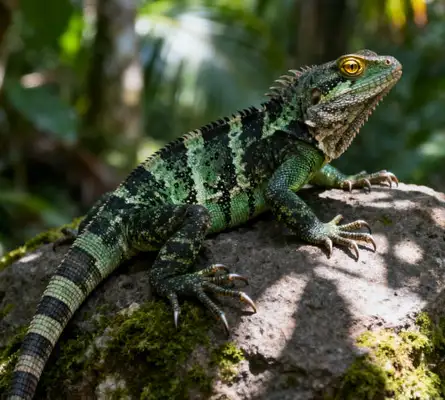
The proposed measures provide a stable and quiet environment with day-to-day care, avoid frequent movement and stimulation, and ensure privacy and safe rest spaces. Temperature and humidity management requires scientific adaptation to specific varieties: most reptiles require temperature gradients to avoid overheating or overcooling. Humidity varies according to species, with a moderate increase in humidity required for the filament period. Drinking water and nutrition: ensure an adequate water source and observe if there is a willingness to eat; if food is denied for more than a few days, the reasons need to be assessed as soon as possible. First, the family should (non-pharmaceutical treatment steps) not give itself to reptiles or home painkillers. These drugs are often toxic or adverse to reptiles and must be prescribed by veterinary doctors. If a minor local graft is found, it is carefully washed with warm salt water to avoid irritating cleaners; if it is dry, then seepage or continued swelling, medical attention is required. Minimize stressful activities and ensure adequate rest while maintaining environmental stability. The veterinarian should be contacted as soon as possible in connection with the timing of medical treatment and the preparation of any signs of continued pain, loss of weight, denial of food, abnormal breathing, visible local swelling or wounds. Emergency signals include extreme restrictions on movement, persistent respiratory difficulties, severe bleeding, violent reactions caused by apparent pain, and the inability to move injuries. Pain assessment and treatment (Veterinary level) diagnosis usually requires a comprehensive assessment of medical examinations, images (X-ray, ultrasound), blood tests, etc., to identify the causes of the disease and to develop treatment programmes. Analgesia (the painkillers) is prescribed by veterinary medicine, with commonly used drugs and doses depending on species, body weight and with significant individual differences in animals. The risk of self-adjusted drugs or doses is extremely high. Treatment often includes basic disease treatment, inflammation control, nutritional support, and accompanying care (physiotherapy, moderate exercise, skinning aids, etc.). Regular health checks for long-term prevention and day-to-day monitoring, monitoring tables of environmental parameters by variety, and recording of data on daily behaviour, appetite, weight, etc. Early identification of minor changes in the environment or diet and timely adjustment to reduce the likelihood of pain or disease.
Complete response (step-by-step)1 Information gathering and preliminary judgement recording time, specific performance (what behaviour changes, non-attendance, loss of weight, partial swelling or injury), environmental parameters (temperature, humidity, long light), recent activity and feeding. Photographs were taken to facilitate communication with veterinary doctors, especially in the areas and scope of pain response.
2) Initial home care (without endangering safety) ensures a quiet, hidden rest environment and avoids violent movement. Adjusting the ambient temperature gradient to ensure that reptiles are able to choose their comfort zone. Sufficient clean water sources are provided to observe drinking water; if water is not available for long periods, the risk of dehydration needs to be assessed in medical treatment. If minor injuries are detected, mild cleaning is done to avoid irritating drugs; no self-medicines are used. A temporary reduction in feeding levels has been replaced by digestive, nutritionally balanced snacks or short-term post-basic observations (detailed by veterinary recommendations).
3) When any continuous pain signal, apparent weight loss, food denial, severe pain response, swelling or injury must be prepared prior to medical treatment and treatment, as soon as possible. Pre-medical preparation: Veterinaries are brought with them observation records, recent environmental parameters, dietary history, medical history, video/photos taken. Write what you think may be pain and behavioral changes to help veterinarians quickly locate.
(4) Diagnostic and therapeutic (Veterinary level) veterinary offices conduct medical examinations, necessary visual (X-ray, ultrasound) and laboratory examinations to remove or identify sources of pain. Pain management is developed by professionals, individualized by species, weight and condition, strictly following usage and observation periods. It also treats primary diseases (infection, trauma, digestive tract problems, etc.) and integrates nutritional support and care guidance.
(5) Care and monitoring on return to the home is based on the doctor ' s medication and care guidelines, which regularly record weight, drinking water, food, excretion, activity level and pain response. (b) Continue to optimize the environment and rearing, such as the stabilization of temperature humidity, the provision of shelter, the avoidance of stress events, and, where necessary, the provision of complementary treatments such as physiotherapy or warm baths, as recommended by veterinary doctors. Attention to side effects: If there is an increase in appetite, sleep addiction, respiratory abnormalities, vomiting, diarrhoea, etc., contact the doctor immediately.
6) The long-term prevention strategy develops and implements daily environmental management and nutrition programmes based on the characteristics of the species, so as to avoid the accumulation of chronic pain in chronically ill physiological conditions. Regular medical and video examinations are arranged to detect potential problems at an early stage. Learning to communicate “sign language” with pets, for example, by observing changes in behaviour patterns to detect early pain.
Summarizing the pain of reptiles requires a combination of multidimensional information on routine behaviour, diet, weight, environment, etc. In the event of signs of continued pain, priority is given to contact a professional veterinarian to avoid self-medicating and delayed treatment. Through a combination of scientific environmental management, timely care and systematic diagnosis, most pain and related diseases can be detected early and effectively controlled, thus improving the quality of life of the reptiles. Your attention to every little sign of it is its first healthy line of defence.