Angoloca Tortoise: the king of the vast, gentle land.
Overview of species
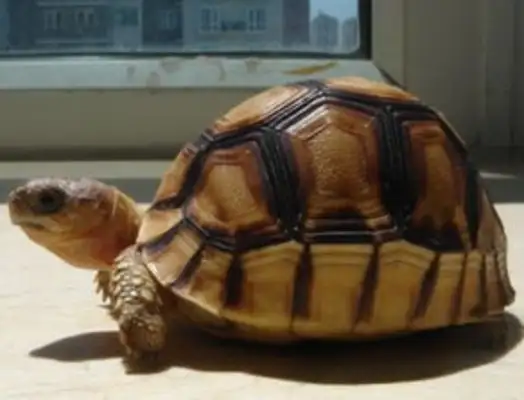
Testudo anglococca, also known as Angolocca, is a land turtle originating in the eastern African region, particularly Tanzania and Kenya. As one of the world ' s larger turtle species, their backs are half-rounded, hard and thick, colour-variant, ranging from light yellow to dark brown, with sharp turtle threads. Such turtles attract many turtle lovers not only because of their spectacular appearance, but also because of their moderate character, which is a popular choice for family pets.
The size of the Angoloca turtle is usually between 50 and 75 centimetres, and individual strains can even exceed 80 centimetres, with an adult body weight of more than 20 kilograms. Their extended lives are amazing, usually up to 50 years or more, and they become intergenerational pets in many families.
Character characteristics
Angoloca turtles are known for their gentle and light character. They do not like intense movements or dramatic environmental changes, and prefer to move slowly and quietly within their territories. They are more peaceful than some lively turtles and are better at living with humanity.
Such turtles are very stable and less prone to panic and, once used to the presence of their masters, show confidence and intimacy. In the wild, they use their hard shell as a protective disguise to avoid potential threats. In a home-breeding environment, giving them a stable environment and a regular life can significantly reduce stress and make them more friendly.
A suitable environment for rearing techniques: Angoloca ivory turtles need open space, with at least one land area of at least 1.5 m2. The temperature is maintained at 25°C to 30°C and not less than 20°C at night. It is recommended that tans or heating lamps be added to the environment to help turtles regulate their temperature. Simple feed: Their diet is dominated by herbs, i.e. grass, trifles, vervain, plum and wild grass. Small amounts of fruit or vegetables may occasionally be given, but high sugar and fat food may be avoided. It is important to ensure that food is fresh and diverse and that calcium powder and multi-dimensional nutritional supplements are provided. Drinking water: Laying shallow water basins to facilitate their drinking and bathing. Keep the water basin clean and constantly changing to avoid bacteria. Maintaining humidity: In a dry climate, add a small amount of moisture to the soil to simulate the humidity in its natural environment. Tortoises can be excavated and sheltered by wet soil or sand mixtures. Prevention of disease: periodic observation of the shells, eyes, nose and mouth of the turtle to ensure that there is no infection or parasite. Take them to the vet every few months for a full examination.
Hair care (actually turtle shell and skin care)
Unlike hair, the main “dresser” for turtles is a hard shell and body-covered skin. This part of care focuses on maintaining the health and cleanness of the shell. Shell health: regularly washes the back and body of the turtle with warm water, removing soil and impurities. Ensure that there are no cracks or abnormal variations, and if the shell is found to be soft or thin, it should be treated in a timely manner. Provide adequate sunlight: ultraviolet UVB in sunlight is essential to the shell and skin health of turtles. Sun baths can be given outdoors and, if cultivated indoors, UVB lamps should be provided for 10-12 hours a day. Removal of parasitics: periodic inspection of back nails and signs of mites or parasites. If pests are found, veterinarians should be consulted on appropriate deworming drugs. Prevention of hull change: Maintain the proper humidity of the breeding environment and avoid hull changes or skin problems caused by over-drying or damp.
Concluding remarks
Angoloca, by virtue of its large size, peaceful character and relatively easy rearing management, is becoming a star among its pets. The well-being of them is not simply to provide a spacious shelter, but to care for their health and living environment. From a proper diet, a proper temperature, to the maintenance of science's shell, every detail can make your turtle baby grow up healthy and happy and become a beautiful landscape in your life.
If you like such a big, quiet guardian, you might find that raising an Angoloca turtle is a companion and comfort beyond the species.