Title: PET6064
English name: Britannia Petite
Character: lively
Nationality: Polish
Vulnerability: ballworms
Life: 6-7-year profile of young rabbit species
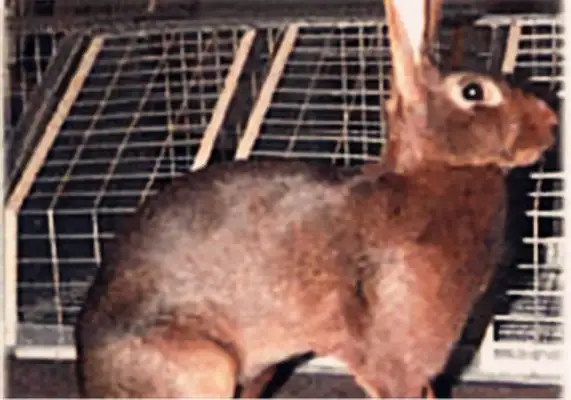
Young English rabbits are species protected by successful breeding, so their appearance does not look round, because they are more suitable for running in the wild, so they can also be seen as one of the successful rabbit species.
Chinese literary name: Little English Rabbit
Don't call it "the English mini-rabbit."
English name: Britannia Petite
Context: Animals
Gate: Pipeline gate
Programme: Lactation Programme
FIND: RABBITS
Section: Rabbit Section
Yes: Rabbit
Species: Small English rabbits
Origin: Poland
Reproductive mode: birth
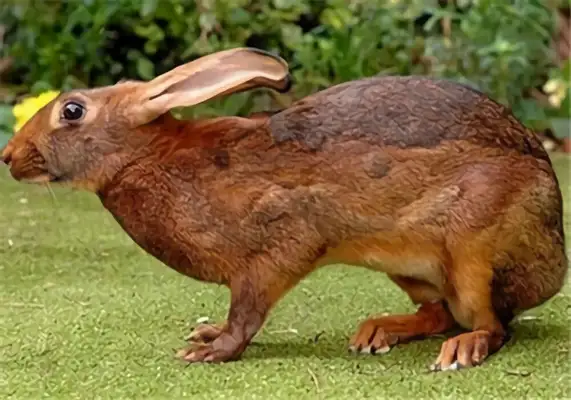
Body characteristics: Weight less than 1.1kg ears are shorter, usually less than 6.35 cm, alert, active, small, but not like other little rabbits, with round head and body.
Eating: grass-grass
Accreditation Association: American Rabbit Breeders Association, ARBA
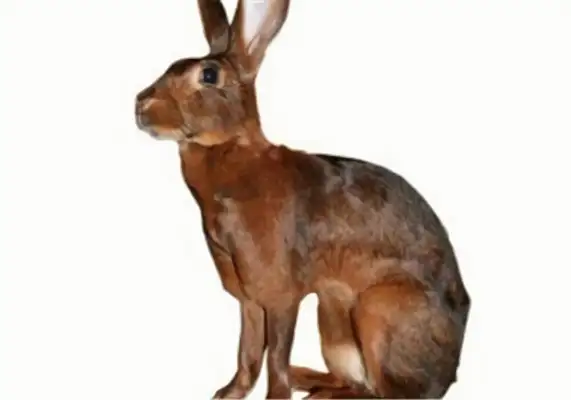
Young English rabbits are thinner, have tight muscles, have wide ears, stand straight behind their heads, and appear to be very sharp, with small seed rabbits with tiny bodies, some weighing less than a kilogram.
Small English rabbits are small, originating in the United Kingdom and Poland. When they were brought to the United States and accepted by the American Rabbits Association, they had a recognized variety of names, “small English rabbits”. Now, young English rabbits have proven that their eyes have multiple colours. Initially, the American Association of Rabbits recognized only white small English rabbits with ruby eyes, but since then has accepted black, black otter colours, tanned chestnuts and black mink colours of four colours. Together with the originally accredited ruby-eyes, small rabbits are now accredited by the American Rabbit Association to a total of five.
Small English rabbits used to be bigger than today. The ideal weight of young English rabbits is about 1 kg. They're one of the smallest varieties of rabbits. The young English rabbit is fast and straight and balanced. Young English rabbits need patience and proper rearing, so that they can be given the opportunity to present their beautiful, straight positions. Because they're active rabbits, they don't need too much push to show their charm. Little English rabbit nursing knowledge
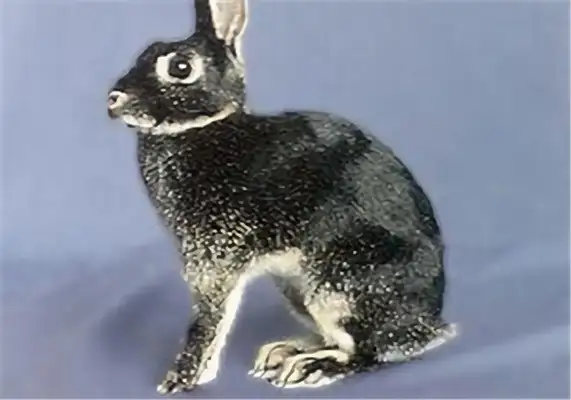
Small English rabbits, also known as British Rabbits, are one of the small pet rabbits whose hair is shorter, so that in normal care, combing does not dominate and, relatively, British rabbits have a weak stomach, so there are many concerns about feeding.
Young English rabbits must not be too wet to eat, otherwise diarrhea is difficult to treat, and young English rabbits need water and cannot provide raw water, which must be cooked. If it's forage, the water can be increased. If it's a vegetable, less water. In addition, young English rabbits are very clean, and in cages they are convenient, usually on the other side of the feed, so you can lay newspapers under the cage, preferably in white, because small English rabbits sometimes bite newspapers, the ink in the papers is bad for small English rabbits, and a few more floors in the corner where it is convenient.
Rabbit urine stinks and it's a lot of it, so it has to change newspapers more often, for about two days, or it'll soon be full of fragrances, and the English little rabbits won't take it. It is also possible to make a fixed toilet outside of the cage, prepare a Western V-stabbing with several layers of newspapers and clean up dirty newspapers as soon as a small English rabbit pees, otherwise it will not be able to pee in the same place. As for how to teach young English rabbits to fix convenience outside the cage, it's like teaching pups to fix convenience. In this case, young English rabbits are smarter than dogs. Small English rabbit living environment
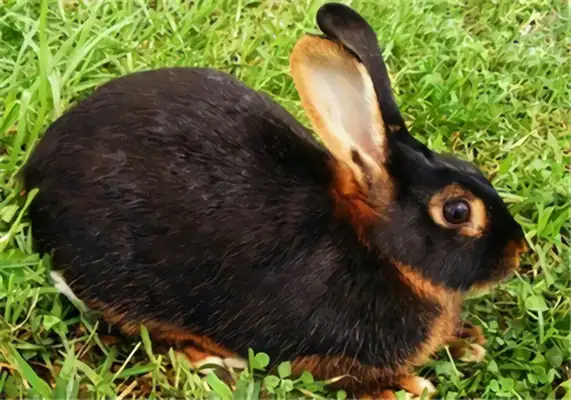
Control of temperature and humidity is the main factor in an environment suitable for small English rabbits, followed by a clean environmental atmosphere and reasonable light that can affect the growth and development of small English rabbits and even their formulations.
I. Temperature of young English rabbits
Young English rabbits, whose body temperature is around 38-39.5°C every year, are thermostats that themselves adjust their own heat to the changes in external temperature, balancing the temperature differentials between the body and the outside, and the higher the temperature, the more difficult it is to release the temperature below the body temperature, the greater their own heat, which consumes much energy.
II. Humidity of small English rabbits
The rearing moisture of small English rabbits is generally at 60 ~65 per cent appropriate and can easily cause disease in young English rabbits at low or high levels. The dryer winters in the north, combined with the heating of the room, have increased the amount of water in the air. At this point, we need to increase the humidity in the room with a humidifier.
III. Clean air
First, make sure there are no harmful gases. Under certain conditions, such as newly renovated rooms, lack of ventilation produces large amounts of toxic gases, which are harmful not only to small English rabbits, but also to human health. Furthermore, the excreta of small English rabbits volatilize harmful gases such as ammonia and carbon dioxide at a given temperature, which are very sensitive to these gases and must be cleaned up in time.
iv. Lights for young English rabbits
Due to the bacterial effects of ultraviolet light, certain light is necessary. However, continued strong light exposure increases the probability of skin cancer in small English rabbits. It is not appropriate for adult young English rabbits to tan for more than 14 hours a day and to avoid tan in the summer. Short-born rabbits have fragile skins and should be avoided. Point of emphasis for young English rabbits.
The most appropriate food for young English rabbits is weed, rabbit food and water, and, of course, to a certain extent, some vegetables are available to him, but we have to choose all kinds of vegetables, not all of them.
Vegetables contain about 85 per cent of the water, have low levels of crude fibres, are good for taste, are greedy and feed vegetable leaves to young rabbits in their 90-day age, with diarrhoea occurring in only a few days. If diarrhoea occurs after rabbits eat vegetables, they should stop feeding them, feed green grass, dry leaves, and mix or mix them up. 2 per cent of charcoal or 2 per cent of medicinal charcoal is treated.
Cross-flower vegetables such as mustard, oil and radish contain mustard. It can produce toxins such as neptunium, which can damage the liver and kidneys of rabbits. Therefore, cross-flower vegetables should be fed as little as possible. Feeding rabbits with vegetables that are affected by aphids and larvae can cause coronary, oral, gastrointestinal, nasal, vaginal and abdominal pain and dysentery. Vegetables should be properly fed to rabbits with low-water feed (e.g., guillotine) and high-fiber feed (e.g., dry leaves). Fresh vegetables for rabbits, no dew.