Designation: PET1523
English name: Naja philippinensis
National origin: Overview of Cobra species in the Philippines, Luzon, Mindolo
The Philippine cobra is mainly located in the Philippines and is a very famous viper, whose acute toxicity allows victims to die quickly within an hour. The toxicity of Philippine cobras is mainly neurotoxic.
Chinese literary name: Philippine Cobra
Two words: Naja philippinensis
Context: Animals
Gate: Trondata Gate
It's a reptilia.
Aims: Spectacular
Aya: Snakes Serpentes
Section: Cobra Section Elapidae
Yes: Cobra is Naja
Speculation: Philippine Cobra N. philippinensis
Distribution: Mainly on the islands of Luzon, Mindolo, Catalonia and Masbat. Philippine Cobra Exterior Characteristics
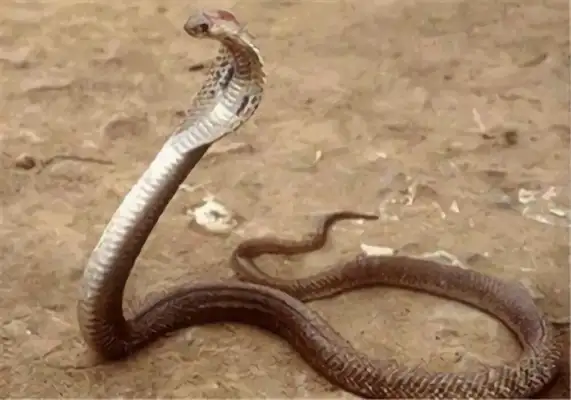
Cobras in the Philippines are most famous for their acute toxicity, and since the toxicity of Filipino cobras allows the victim to die rapidly within an hour, care must be taken in the field to identify them and avoid harm.
The overall proportion of Philippine cobras is about 1.7 metres longer than that of other species, while the individual population of Mindoro is 2 metres longer. The color will be dark brown as it is young, it will gradually become light brown as it matures, and there will sometimes be a black stripe at the neck position. There are 20 rings of snake scabs near the neck, 21 scabs in the centre of the body, 182 to 193 scabs in the abdomen and 36 to 49 scabs in the tail. Spectrum distribution is sometimes uneven. Philippine Cobra Living Environment
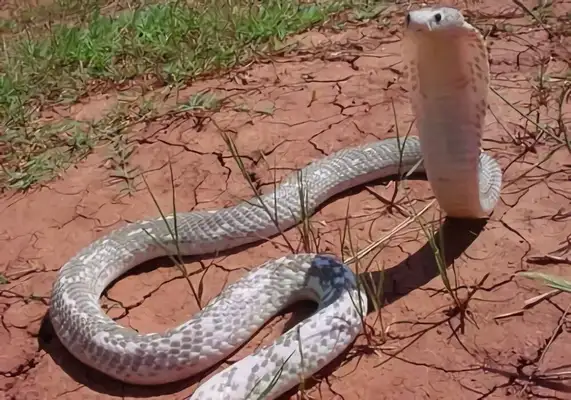
Due to the acute toxicity of Filipino cobras, which can cause the victim to die quickly within an hour, there is no record of artificial breeding. The minor can only access the main distribution areas of the Philippine Cobra and the habitat-friendly environment.
The Philippine cobra is mainly located in the Philippines and is scattered on islands other than Luzon, while the traces of snakes in the Caramon Islands and Paranán Island are yet to be further confirmed. Cobras in the Philippines live largely in arable land, populated areas and dense forests. Philippine Cobra Food Requirements
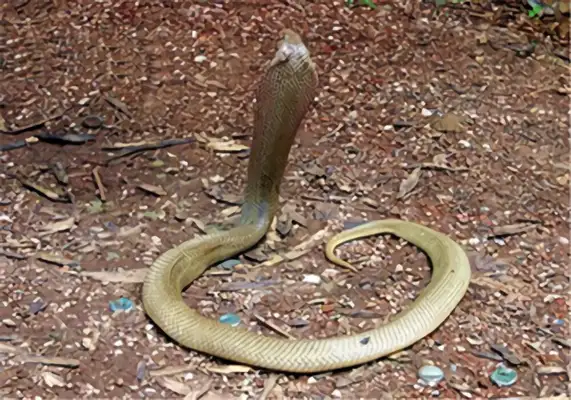
Cobras in the Philippines are known for their acute toxicity, which can cause the victim to die quickly within an hour, so there is no record of artificial breeding. What kind of Filipino cobra survives in the wild?
Philippine cobras mainly prey on frogs, rats and other small mammals. The female produced 10 to 20 snake eggs each for an incubation period of 60 to 70 days. The Philippine cobra is mainly located in the Philippines and is scattered on islands other than Luzon, while the traces of snakes in the Caramon Islands and Paranán Island are yet to be further confirmed.