Today's young people, apart from spring festivals, rarely go home with their parents, most often with their own pets. So we're all willing to spend money on pets, and we're full of rituals. Today we talk about the future of the pet market from the perspective of the pet festival.
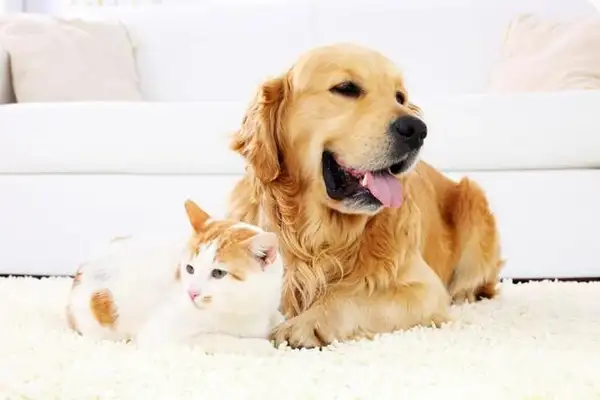
The New Year's Eve is a reunion and a Valentine's Day in China. But young people are more interested in spending the holidays with their pets. "I don't buy flowers, I'd rather buy something good for my cat and have a reunion." Li said. She's already bought sheep's milk pudding, cold dry fish, cold dry quail, turkey-flavored cat, salmon cans, and so on.
She saw that on the electrician platform, the "Pet Night's Dinner" containing "Pet Tong" was still hot. In one shop, a well-packed soup and dumpling package is sold at a price of $50, with more than 500 copies sold per month. "It's so ceremonial." It's a hot comment.
“My dog is about to be one year old, in time for the New Year of the Year, and must take a photo in memory.” It took about two hours to take a picture, make-up, change the pets, and two photographers who were playing pets with toys, props, a set of processes, and Lang spent almost $1,000 more than he spent on himself, "I'm quite satisfied with that."
On this spring festival of the Tigers, on the night of the New Year, with the pets, the year was spent in place and became a choice. And in New Year's, it's a "ceremonial sense" to put a spring bond to the pets, to buy the year's goods, new clothes and an annual dinner, and the pets are playing new tricks.
The pets, as “part of the family”, spend money on them, and young people are no less generous than they spend on themselves. We believe that the community of friends is being held by cats and dogs in their new year, and that the pets are dressed in tiger-striped new clothes, weddings, long-term locks of healthy and safe life, and toys such as gold beauties, red lanterns, cat boards and rover dogs. In order to present as many of the pets as possible, thousands of dollars have been spent on the New Year's work, and not a few have been spent on the family.
The gross children's diet has been upgraded. The usual pet snacks are no longer fashionable and have been replaced by a variety of annual dinners, such as tiger-skinned dumplings, shrimp souffles, poachers, long-lived noodles, etc., which appear on the pets' diets. Naturally, as the menus are upgraded along with their prices, the weekly Financial Times notes that the price of a cat-dog meal varies between $35 and $150 a year, and that the consumption level of a meal for ordinary people is almost equal. At the same time, pet foster care, home-based pet businesses, etc., have also become popular.
The pet industry looks so red. For pet listed companies, however, the days are much more "cool".
The pet's New Year.
Akan, a man who works in a front-line city, spent the whole year in the field, from spring to midnight. He replaced his two cats with festive “war robes” in advance, which he used to take photographs of his friends. “Getting clothes for a cat is my old habit, and it's one of the Chinese customs. Every year, I buy them red Tang costumes and make them happy."
After graduate school, Akan added a new "roommate" to his rental house — two silver-grain short cat. He said that for several years of work, two cats had come home late at night after working overtime; all weekends spent alone had been accompanied by them. In his view, “Pups are in the same position as myself, and two cats are like my own children”. Last Christmas, he also bought Christmas pins and red Christmas hats for two cats, together in a well-dressed picture of the “sisters” and a joint holiday.
The opening of red books, shivering, microblogging and B stations, with a large number of cute account numbers, paints videos of pet overfestation, ranging from pets' daily supplies, room improvements, clothes, to diets, all over the place, with the joy of passing years. In a video, a blogger tanned the mini-red Chinese knots, New Year ' s buckets and tiger caps for his own pet cat; the cat ' s bed ended up with tiger-clawed mats, with a full-of-bread cat catch pads; both on the bedside and on the cat ' s sandbath, with a mini-spring; the cat in a new-year suit and several new-year-old photos. This video has now reached 58,000 points.
From spring to New Year's Eve, pets became a hot business. According to multiplatform data, during this year ' s cargo festival, the sales of pet rations, pet New Year ' s clothing, luxurious cat nests and pet toys all peaked; in particular, the sales of pet New Year ' s clothing rose by 360 per cent.
Searching for “Pets for the New Year” on multiple platforms can see a variety of styles of clothing, including the Monopoly Tang dress, the red guard suit, the lamby warm suit and the tiger costume. In addition, there are New Year's restricted accessories, such as pet red bags, twilight towels, New Year's knitting collars, New Year's warm hats, etc. Skycats International also showed that during the Tigers' Spring Festival, pets were first selected to be among the 10 fastest growing pets.
Putting a match on the pet, it's popular this year. To date, multiple pets from the poaching platform have sold more than 1,000 items per month. One seller sold 4,000 pet unions within a month.
The weekly Financial Times notes that the prices of these Spring Unions are not expensive and are under $10; however, most of the content is “ground-to-ground” and corresponds to popular and easy language preferred by young people, such as “Cats and Fats” and “Hopes” and so on, and so on, and so on. Most of the buyers, under the comments section of the commodity home page, left a favourable comment that “small pairs are cute” and that “my cat is happy”.
In the Little Red Book, the tanning of the Spring Union and the emergence of the family pet has become a trend. In addition to the mainstream pets, such as cats and dogs, there are also small animals, such as family parrots, hamsters, Kinsy Bears, rabbits, and so on.
Akan, who posted the tweets, saw a lot of friends in the Cats and Friends group tanning the Spring Union and immediately opened up a shopping platform. “You're in a crowd of tans, you're in a fight, you're more involved. Moreover, the festival is a happy day, and I hope to share it with my own cat.”
In addition to “dressing” and “residence”, “food” has always been a central feature of Chinese holidays, and it is natural for pets to eat a few large meals during their New Year holidays.
In the Little Red Book, leading pet bloggers have published home-made tutorials on various forms of “Pet Year's Dinner”, which explain detailed materials, cooking methods, in which hot tigers limit pet dumplings to a wide variety of practices, but with very solid materials, combined with fine work, appear to be quite remarkable. Of these, one video of pet tiger dumplings has over 2,700 collections and over 200 hits.
What about people who can't cook? On the electrician platform, many pet snacks and annual dinners have been sprayed. Pet dumplings alone have different tastes such as chicken, potatoes and yolk. Among them are several dozen dollars and hundreds of dollars for the annual “luxurious” pet dinner box, a set of dumplings, soup and snacks, including cookies, cheese and spring fish; some of them are “menu” for tiger and tiger cheese shrimp, soufflés, egg buns, tofu, grafts, cakes, and pastries. A 99-dollar pet night meal kit can reach hundreds of items per month on the treasure-hunting platform.
Of course, pets can't be limited to spring holidays. On the shopping platform, pet owners can also buy a variety of festival pet foods, such as pet soup, lunch meal, fresh meat moon cake, fresh meat green bean cake, etc.
On the social platform, a pet owner sets out his full table for the “sweet children” with chicken sausages, cheesy rice, shrimp soufflé, lasagna and red-burned lion heads, all of them.
“When I was a child, the happiest day was the New Year, when I got all kinds of food and new clothes from my parents. So, I'd like to treat my pets like this. She had a Chenary and a bear, which cost 60 bucks a day. Although she didn't buy soup, today she cooks six cans for two dogs, which cost almost $200. Almost every year, she also orders birthday cakes for them, “after all, I treat them as family”.
“People who focus on the sense of ritualism of pets more than a year.” The employee of a cat house in Beijing Zhongyang District said that he had received a number of appointments from years ago to date for his own cat and dog for beauty and bathing. “We'll clean the cats, dry them with dry boxes, wash the products in imported American brands, and then comb and comb the cats with American needles.” He states that in this shop, the daily value of the pet wash is $319, which includes care steps such as skin examination, ear-wire cleaning, fingernails, foot hair cutting, ass-cutting, and nursing mats.
The price of the higher pet wash is $419. According to the above-mentioned shopkeeper, on a daily clean-up basis, the pets will also receive nutritional care for hair-preserved proteins and puffy proteins, as well as a spa massage. "From instrument to service, we're all professional, and it's certainly not like bathing at home. In particular, the hair of a hairy cat requires regular knots and professional care.”
The consumption of pet beauty is also becoming “higher”. On the mission platform, the costs of bathing pet dogs in the Beijing region range from $50 to $400 and of making a beauty maker range from $100 to $800.
Like Langland, there are more and more people shooting with pets. According to the weekly Financial Times, in the Beijing region, the real price of a pet is about $200, and the price can be up to a thousand dollars, some of which require outside filming, at a cost of over $3,000.
Data from the Mission Platform show that consumption demand for such new services as pet beauty and foster care rose by about 200 per cent this spring, in addition to the experience of pet interaction, pet swimming, pet photography and pet cake.
In the view of industry observers, pets have become a comfort to young people, who are treated as children or friends, so that there is a sense of ritualism.
“In terms of consumption, as people's standard of living improves, young people begin to focus on the `ceremonial sense' of pets in their years of life, which is an expression of consumption escalation.” Wang Quan, a macrologist, said.
As early as 2019, the poaching platform had sold more cat food than infant and child milk, ranking first in “the most popular imports”; by 2020, the sales of pet food and supplies had increased more than 100 per cent. Sufficient to see the huge market size and rapid growth of the pet industry.
In Shenzhen's view, the reason for the “red fire” in the pet economy is “the rise of singleness makes the pet the best partner in the lives of the young today; in addition, young people are fighting outside, the number of empty nest elders increases, the pets can give them a heart and heart comfort, and for them the pets are a part of the family”.
Among them, and especially among young people whose pace of work and life is accelerating and who prefer to live alone, the role of pets in their minds is no longer comparable. With the upward trend in consumption, the concept of rearing of modern young people has been transformed into a quest for a “lifestyle”. Even young people who do not have pets in their homes have become accustomed to online “clouds for cats” and “clouds for dogs” to release pressure and ease their mood in the face of the rise in the volume and heat of pet content on Internet platforms.
“Additionally, with the development of the Internet, more and more people are becoming more dependent on virtual space and less people-to-people interaction, while they become more willing to communicate with pets in their families. At the same time, the entry of capital has boosted the pet industry."
The “standards of living” of the pets are also rising with water. One data of concern is that the Engel coefficient for pet consumption is decreasing. According to the 2021 White Paper on the pet industry, which was produced by the Grand Data Platform of the Petty Industry, the market share of food in the pet market declined from 61.4 per cent to 51.5 per cent between 2019 and 2021, a decline of nearly 10 percentage points; the market share of pet medicine increased by 10 percentage points from 19 to 29.2 per cent. At the same time, the pet industry is moving in the direction of sophistication and specialization, with an increasing emphasis on individualized customization, a balanced diet, and a continuous upgrading and diversification of services.
U Than said it was only after he had started raising a dog that he felt what was called a “troupe of gold”. She remembered that the dog had come to his house in his first year of “two elevens” and had spent 5,000 dollars buying pets. “A bag of dog food costs $8,900; other items are expensive, with a shampoo and hair-care package costing more than 500, and a set of toothpaste and mouthwashing a further $200; and nutrients I buy pamphlet, egg phosphorus and fish oil, plus daily items such as urine mattresses, urine insinuation, deworming, deodorant canteens, toys, medicines, etc., which cost thousands.”
The following year's "two elevens," she hoarded another $4,000 for two dogs. Forget it, U Than said she didn't regret her own purse, but she said: "Come home after a day's shift, with them with me, I feel worth everything."
The domestic pet market is already quite large. According to a report from the Iri Consultation, the number of Chinese dogs and cats had surpassed 100 million by 2020, the domestic pet economy was close to 300 billion yuan and would maintain an annual compound growth rate of 14.2 per cent over the next three years.
This has also led to an accelerated growth in the number of businesses associated with the pet industry. According to Skywatch data, there are more than 1.63 million pet-related businesses in the country to date, of which the number of registered businesses grew by 13.41 per cent in 2021.
The pet consumption track is also officially on the capital front. One participant noted that the size of the pet and pet industries was growing at a high rate, in terms of the life cycle of pets, with a normal life cycle of 10-15 years, a long life cycle and high-frequency demand combined with drivers such as population ageing.
According to the China New Consumption Development Insight Report, the domestic pet industry completed 58 investments in 2021. In addition to pet food, pet service lanes have become a focus of capital attention. Redwood capital, IDG capital, challenger starters, and Internet giants such as Qingtao and Kyodong are now on the line.
Kochi put a heavy bet on the pet track. In 2018, Takashi announced the integration of 630 pet medical brands under the banner of Barbie Hall, Ann Ann, Patron, Nagia, and 400 animal hospitals under the banner of the Rippen Animal Hospital, the United States of America, and the Kitchen Professional Hospital. At present, the Nueva Ripper Group is one of the leading companies on the domestic pet medicine track.
The pet concept unit. It's a cold bench.
Despite the rapid growth of the pet economy market, the number of domestic pet companies listed is not large, and the volume is also moderate.
In the pet market, the areas of breakdown that are of wide market interest mainly include pet food, pet medicine, pet supplies, etc. At present, only Petty Foods is listed in the A stock, with two shares, Petty and China. In addition, the producers of pets were listed under their shares at the deep exchange last May. However, the size of the profits and market earnings of these listed companies are generally low. To date, the total market value of the three companies is $4,427 million, $7,629 million and $3,854 million, respectively.
According to the financial statements, as of the end of the third quarter of 2021, the business income of the three companies, Petit and China-Perción, had been 915 million yuan, 2,012 million yuan and 944 million yuan, respectively, at a net profit rate of 8.78 per cent, 5.26 per cent and 10.98 per cent.
The lower profitability of these enterprises is also due to the fact that their earnings are mainly from offshore and other business operations, i.e., the provision of production substitutes for foreign pet cards. For example, in the first half of 2021, 75.03 per cent and 92.5 per cent of the foreign operations held by the medium- and small-scale holdings and the share were accounted for respectively. This also means that they are passive at the pricing end and have no brand premium.
In order to change the situation and increase profitability and brand impact, the Chinese and Chinese pet shares introduced the brands “Wanpy Naughty”, “Zeal Real Real”, and the Petit shares introduced the popular ones of Healthguard and ChewNergy. However, the market influence of these new brands remains limited.
The pet food is still the most promising track in the pet industry. At present, however, the domestic market for high-end pet food is dominated by large multinational enterprises such as the Royal French, Marx and Nestlé (China). It is not easy for a domestic brand to make a big one.
According to the Institute of Forward-looking Industries, the top four enterprises in the market share of the Chinese pet food industry in 2020 were the Royal French, Marx, Birij and Nestlé (China), three of which were occupied by overseas brands. In the market for medium- and low-end pet foods, there are small and medium-sized pet food producers in the country, and domestic users find it difficult to build confidence in pet food brands in a mixed situation.
In response, some investors in the pet industry stated that “the success of the brand of the pet food track is largely due to the branding and product development innovation capacity of the enterprise, while the less frequent use of pet supplies makes it difficult to build awareness and branding, and businesses in the industry generally compete at low prices”.
In the market for services such as pet medicine, there is still a high rate of confusion due to the uneven quality of services and the lack of transparency of fees and pricing standards. According to the Whale-Species Medical Industry Report, there were 10,000 to 15,000 pet hospitals nationwide in 2019, but less than 15 per cent of them were connected on a large scale.
Looks like the Red Fire pet business, but it's still in its infancy. It will take time for domestic players to “run out”.