Designation: PET6486
English name: Varanus Grisees
Vulnerability: cartilage
Life: 5-6 years profile of desert iguana species
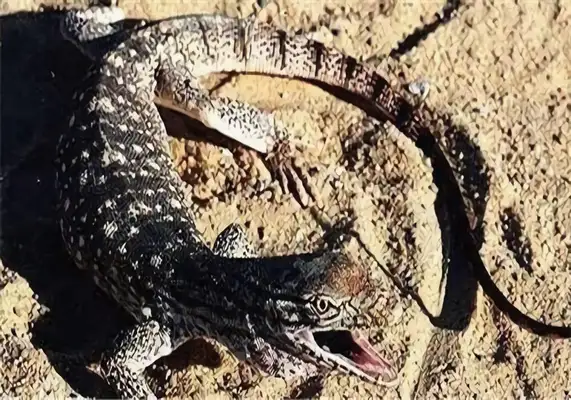
Varanus griseus, mainly in Africa, is very large compared to other lizards and has a rather violent character, with difficulties in raising them.
When threatened, the desert iguana swells the body with its neck, bows it up and makes low noises. Desert iguanas are the best excavators, but deserts and clay layers are not easy to excavate, so sometimes they are inhabited by nests of ground birds.
Section name: Giant lizards
Chinese name: Desert lizard
School name: Varanus Grisees
Context: Animals
Gate: Pipeline gate
Programme: climb
I can see it.
C: Giant lizards
Name: Varanus
Eating: Eating from vertebrates or invertebrates.
Distribution: Sub-Saharan Africa passes through the Arabian Peninsula, Central Asia desert to India. Characteristics of the desert iguana.
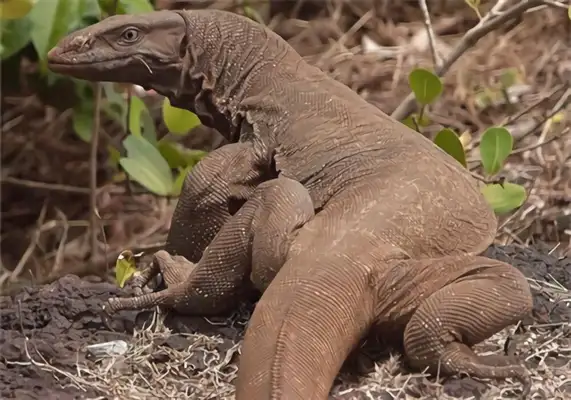
The desert iguana, also known as the desert iguana, has a maximum length of 140 cm and a toenails, which is one of the main tools used to attack the enemy and humans, with a tail of two feet and four inches long, with a crack in the nose, and is located in front of the eye.
The desert lizard has very sharp teeth. The kiss dents, the nostrils slash, closer to the eye. Short toes, round tail or slightly flat. The scales on the head are very small, the scales on the back are small and smooth. The scales on both sides of the neck are conical. The abdominal tablets are smooth, with a total of 110-125 lines.
They are grey, with more or less brown stripes. The juvenile lizards have yellow dots and dark brown stripes. Desert lizard living environment
There are not many lizards in the country, and the lizards are no exception, but many do not consider desert lizards when they are chosen. Although rare in continental markets and not cheap, this type of species is not cheap compared to other lizards. The chances of being selected for breeding therefore seem to be even smaller.
The outdoors of the desert iguanas are mainly inhabited by deserts, sand dunes or dry land, which are difficult to raise, and the breeding space must be a 3D extended environment in which trees are placed for their habitat to climb. In terms of temperature, the desert iguana can withstand the average temperature of 22 °C ~ 30 °C, while the heating point must be maintained at around 35 ~ 45 °C, so it is necessary to purchase UVB lamps to control the temperature, and when installed, it is best to buy a condom because the desert iguana likes to climb and accidentally burns its skin. Knowledge of desert iguana breeding
Although the number of people raising desert iguanas is not large, it has to be admired for its courage to live, for its hard work, for its ability to survive the flames of summer and for its hunger in winter. However, families need to be psychologically prepared to raise desert lizards, which are rather fierce and difficult to tame. And it seems to be an expression of hatred for domestication. People, in turn, hate desert lizards, killing them wherever they go. Their seemingly horrific manifestations are undoubtedly attributable to the insidious features attached to them.
The reptiles in the desert have extraordinary stamina, as is the case with desert giants. Living under difficult circumstances, even a scorpion is delicious.
They are considered to be as toxic as snakes, and they are also considered to be capable of exposing them to other disasters of deformity, weakness and advanced disease. In fact, desert giants may be beneficial to people in the unchallenged areas where they are allowed to survive. They eat large amounts of beetles that destroy maize crops, large adult cobras and snakes. Their defensive position is extremely clumsy and merely appears to be forcing animals to one corner and unable to escape.
The desert giants that have been raised by hand are not enough. Desert giants have a history of rearing for more than a hundred years, with reliable reports of only individual farming. The deficiencies in the farming of this species are due in large part to a lack of understanding of their wild lifestyles, especially in their seasonal behaviour.
The house of the desert iguanas is made up of eggs for three to five months each year, with about 10 to 25 eggs each, with an incubation period of about 120 days, and sexual maturity for three years after birth. New breeders are not recommended because of the large size of desert iguanas. The desert lizard feed the order.
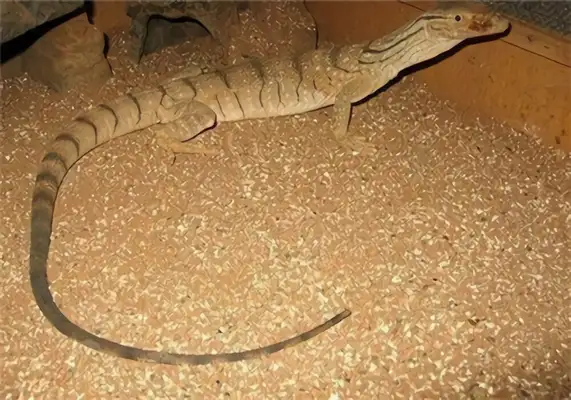
The size of the desert iguana is so large that it is not unusual to have the name of a big stomach king, and they are not picky about the choice of food, but because of the size of the individual and the ferocious character, the most important of which is that the lizard is toxic, it is not recommended for family breeding.
Desert iguanas are widespread and feed on insects, small-scale lactating animals, nestlings, birds, lizards, snakes, eggs and rotting meat of other animals, as well as on other snakes, which have special immunity against the venom of snakes. The cost of raising a family is greater.