No.: PET3807
English name: Varanus varius
Vulnerability: respiratory infections
Life: Overview of tree iguana species 5-6 years
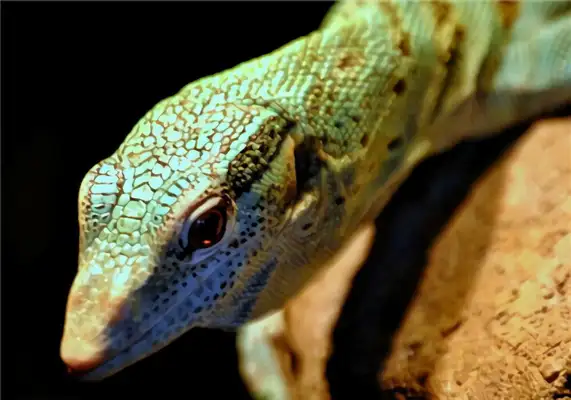
Varanus varius is called a tree lizard because the lizard prefers to climb on a tree for a long period of time, and is larger in size, and is therefore called a tree giant lizard. The lizard is mainly located in Australia.
Chinese name: Tree iguana
School name: Varanus varius
Section: Giant lizards
Name: varanus
Eating: Eating from birds, eggs, mammals or their rotors.
Division: Australia. Characteristics of the tree giant iguana.
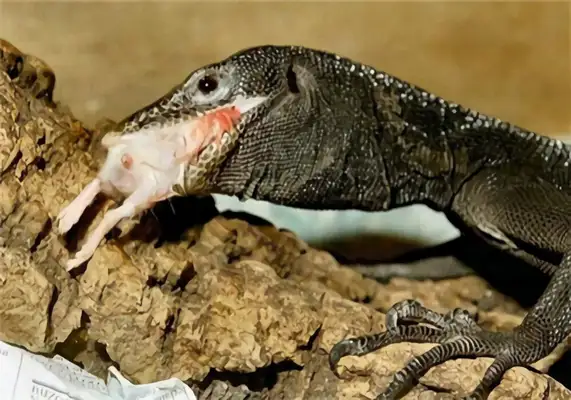
The iguanas have a slightly sharp mouth, and strange bodies seem to scare people. The iguana likes to move well, and most of the time there is a nervous phenomenon, which is normal, and the breeders need not be too worried.
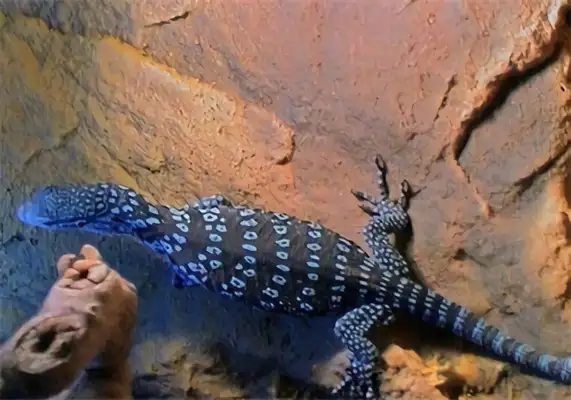
The body of the giant iguana is on average 1.5 metres long and the body is very variable. Generally speaking, the back is a dark brown system with a slightly blue feeling and is stained with brightly coloured scales. There are also individuals with black or yellow stripes on their bodies, tails and limbs, depending on the area of distribution. The nostrils are round and the distance between the eyes and the nostrils is about twice as far as the nostrils to the kisses. The tree iguana living environment.
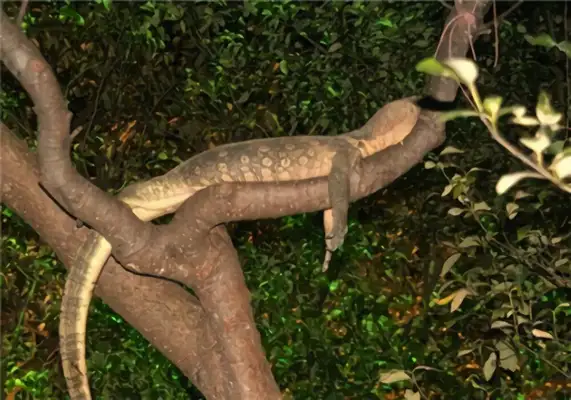
While outdoor iguanas can survive in a variety of environments, even in the peri-urban areas of cities, home-grown iguanas require a suitable living space for their free movement.
The raising of tree iguanas requires a larger environment, as large parts of the trees are neurotic and moving, so they can be hurt by the environment if it is too small. It is important that the proposed heating lamps be covered so as not to burn. Because tree giants are born to like climbing, they are more or less unwittingly exposed to heating lights, which burn their skins. The mats can consider coconut soil, wet mats such as forest surfaces (for ease of excavation) (for avoidance). Knowledge of tree iguana breeding
The giant iguana family needs to prepare a UVB, and many parents don't understand what this is. The UVB is the outdoor UV that we often talk about. Why does the lizard need to use UVB? Here's a little bit of an explanation.
The placement of UVB lamps is essential because of the very high level of sunlight and temperature required by reptile species of the tree iguana, as well as the reason for the formation of UVB vitamin D. Because the giant iguanas are often crouched on the top of the tree and allow a little bit of sunlight to shine on them, they do not need a very long time for the UVB exposure. And it's good for them to keep their humidity and ventilation. Iguana feed.
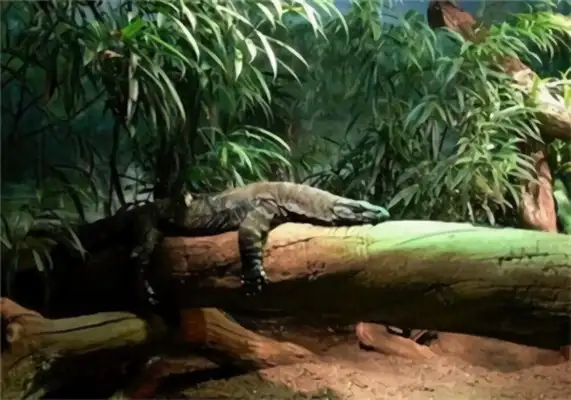
The colours of the tree iguana are similar to those of the bark, but there are also some of the more colourful varieties. Of course, the colours of the tree iguana skin are controlled by daily diets, and more insects are usually fed to keep them colorful.
Home-grown tree iguanas are recommended mainly for egg insects, supported by other meats, with food coverage taking into account eggs, fish, insects, crustaceans, small-scale lactation and molluscs.
Most of the cowardice of the giant iguanas is small and relatively neurotic, so try not to disturb them or to look at them during the feeding, even if, like some extremely mild individuals, they find someone else to eat or are nervous enough to eat.