Designation: PET4939
English name: Rana Claramitans
Epidemic diseases: anchor disease, aqueous disease, albino disease
Life: Overview of 5-6-year-old copper frog species
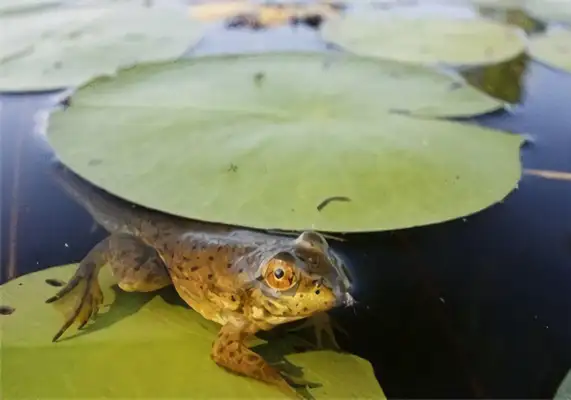
Rana claimitans is a frog from the United States, and the female is a little bit larger than the male. They usually eat only live bait, and they usually have food in their mouths.
Chinese literary name: Copper frog
Latin name: Rana clamitians
Context: Animals
C: Red Toad Section
Yes: Forest frogs
Gate: Spinal animal door
Amphibia
Anura.
Bronze Frog R. Clamitans
Distribution area: American copper frog morphological characteristics
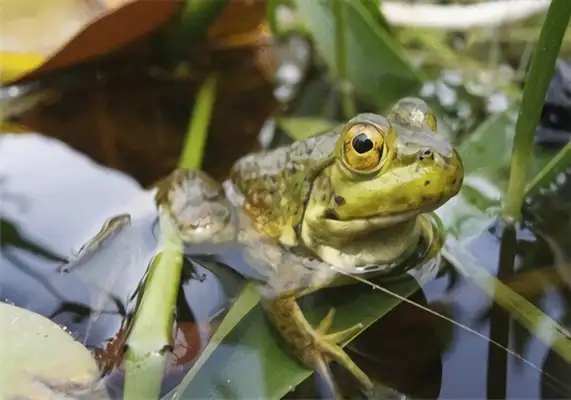
The size of the adult copper frog can be as high as 5-10 cm and the ideal weight should be between 28-85 g. Females are larger than males. The colour of the copper frog that grows in different environments changes accordingly.
Males have prominent vibration membranes, their throats are yellow, their female throats are white and their ears are smaller. The outer ridge is prominent, in contrast to the unridgeed American bullfrog. Copper frog colours vary widely, showing copper, brown and light green with different growing areas. Some rare species are blue. Bronze Frog Living Environment
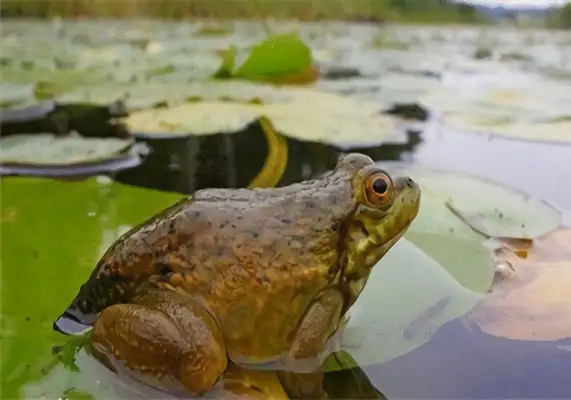
Frogs like to live in water, but copper frogs are no exception, often in shallow waters or nearby streams, rivers, swamps, ponds, lakes, etc. The relative abundance of plants in these areas contributes to the healthy growth of life.
Copper frogs can also live in urban ponds. This type of frog is predominantly night-walking and less sensitive than other types of frog. mature females are most likely to be caught during the breeding season. When captured, warnings are rarely issued. The following should be noted.
Water must be replaced frequently.
2. A suitable 20-square-metre rearing density.
3. Feeds shall be delivered on time.
4. Frogs should not be overdone when laying eggs.
5. The water temperature of the eggs hatched is appropriate. Bronze frog breeding knowledge
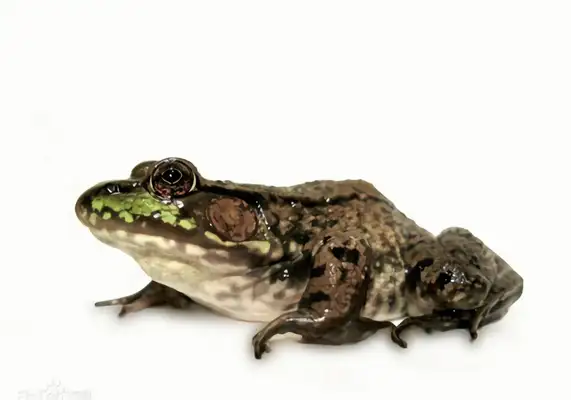
Copper frogs generally prefer to hunt at night and find safe places to rest during the day. Frogs usually eat only live bait, and usually not dead animals, even if you put a recently deceased insect in his mouth. That's his instinct. Of course they eat dead animals when he's hungry and exhausted.
Copper frogs eat any food that can be put into their mouths, such as cricket, flies, fish, lobster, shrimp, grasshoppers, small individual frogs, grasshoppers, little snakes, birds, molluscs, towers and their own skins. Algae and other aquatic plants are eaten.
During the copper frog breeding season, in April-July, the female spawned 3000-10000 eggs, hatched three to seven days later, and three months later, perverted to the frog.