No.: PET5386
English name: Introduction to the yellow iguana species of Varanus flavescens
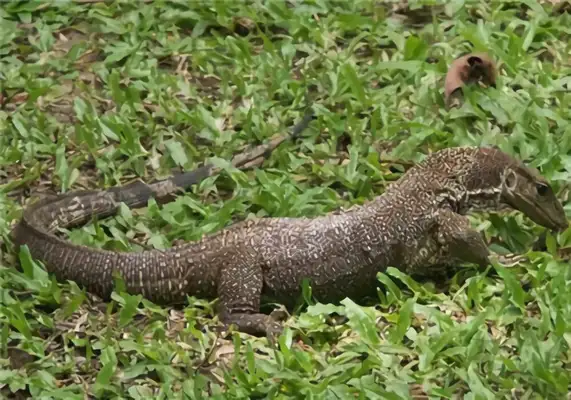
Varanus flovescens, alias the yellow lizard, is by definition a giant lizard. Yellow iguanas grow up to about 3 feet long. At present, yellow iguanas are mainly found in the flood plains of the Indus, Ganges and Brahmaputra rivers in India, Pakistan, Nepal and Bangladesh.
Chinese literary name:
Latin name: Varanus flovescens
Area: Animal
Door: vertebrate door.
Amen.
Synopsis: The characteristics of the reptile giant yellow iguana.
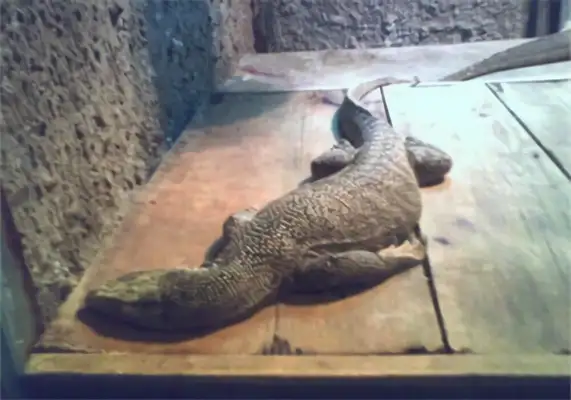
The yellow iguana can grow as long as 1 foot 3 inches, and the tail length exceeds approximately 1 foot 8 inches. Owing to its large size, it is not recommended that artificial farming should be necessary to prepare a room of approximately 15 m2.
Their kisses are sharp and short. Nose slash, closer to the kiss. Short toes. The fourth toes don't grow over thigh bones. The head is small and the wakes up and it's growing out. The back is round, the abdomen is smooth, with 65-75 lines. The tail flattened, the scales snapped. The back is olive or yellow with irregular stripes. The abdomen are yellow, with some brown stripes visible in their throats. The back of the young lizards is dark brown and has yellow spots, which gradually become stripes. The abdomen are also yellow, with dark brown stripes. Yellow lizard living environment
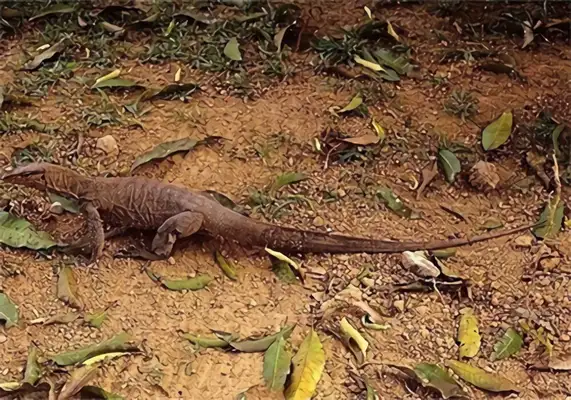
Yellow iguanas prefer a wet environment, but they dislike dry environments, especially when they are the least active each winter. It is therefore important to take care of the temperature and moisture control in the breeding environment under conditions of artificial breeding.
In the wild, they live in caves and cracks on the banks of the river and in termites' nests, sometimes blocking their cave entrances with dirt. Their claws are very short, so they are not efficient climbers. Their habitat will be flooded during the rainy season, when the yellow iguana will spend a long time in the water collecting and storing the energy needed for winter.
Yellow iguana is a relatively inactive iguana in an artificial state. Because many people have no idea how to take care of them. Like most other lizards, yellow lizards prefer to tan at high temperatures (45°C). They should be provided with soft floors for excavation and with sufficient water to dive at least part of the year. The provision of three frogs per week in India provides adequate nutrition, but vitamins and mineral supplements must be provided in indoor feeding. A variety of recipes, including invertebrates, amphibians and small mammals, should be more appropriate. They can live longer than 10 years in rearing. yellow iguana breeding knowledge
Yellow iguanas are typical predators. In most cases, however, they eat only live animals such as frogs, clams, water turtles, mammals, birds and, occasionally, lizard eggs, frog eggs and eggs, as well as a range of invertebrates, especially beetles and earthworms. Yellow iguanas usually mate in June-July of each year and the female iguanas give birth to about 16 eggs in August-October. There was no evidence, however, that they would produce eggs in termite dens and that the eggs of the yellow iguanas could be produced in caves in higher areas to prevent flooding.