Title No.: PET4420 Overview of greybird species
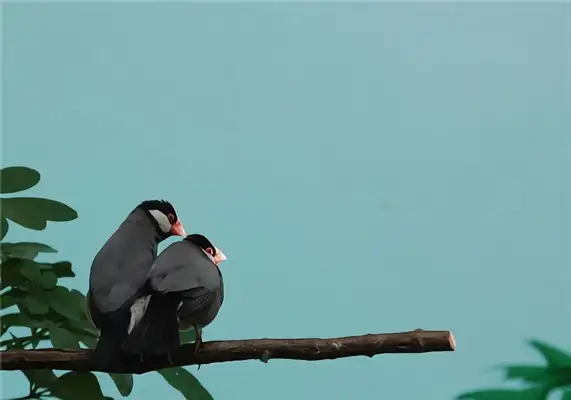
Wild greybirds have a relatively single feather, but the artificially grown graybirds now have many feathers, and the greybirds are now scattered around the world. The greybirds have grown artificially, choosing new varieties of many colours, and have become world-renowned cages.
Chinese literary name: Greybird
Chinese aliases: Manbird, Sparrow, Grey Flour, Java Rice Sparrow, White Flour, etc.
Area: Animal
Door: vertebrate door.
Platform: Birds
I can't believe it.
Section: Humanities
Cast: Greybird
Distribution: Born in Sumatra, Malay Peninsula, Java, etc. Greybird Form Characteristics
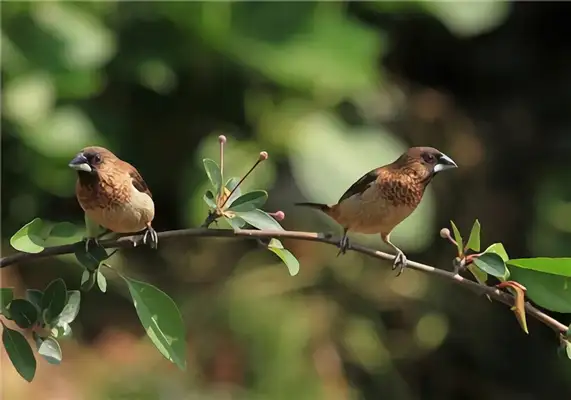
The gray bird, which grows around 13 cm in adulthood, most of its feathers are gray, which gives people a sense of serenity and grace, and it does not have a bright feather, but its small, delicate shapes are not fascinated.
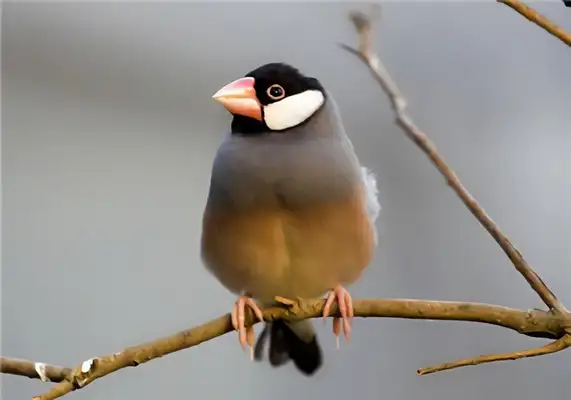
The greybird size and head are similar to the sparrow, with a size of about 13-14 cm. It is grey, with white flowers on its head and white classes on its cheeks, red lips, red eyes, red feet, grey body. Head, throat, tail. The greybird has big mouths, red lips, eyes and claws. Females are essentially of the same colour, but the male mouth is radical and the female is radical and the difference is more pronounced. The male birds are squeaky, squeaky, long sound; the female can only make short sound; moreover, the male tends to jump on the wood, and the feather is slightly more beautiful than the female. The male screams loud and long, and the female screams short. It is difficult to discern the male-female appearance alone and is distinguished by the sound of the noise; the red part of the female is less coloured and less distributed. The bouquets are covered with light gray and white bouquets; the white bouquets are white and the other parts are red except for the feathers. The romantic bird, the larger bird, has a ceremonial colour and white spots on both cheeks. The greybird, although not very happy with the sound of the singing, has a lively attitude, plume, plume and perfect mouth, eyes and legs. Graybird living environment
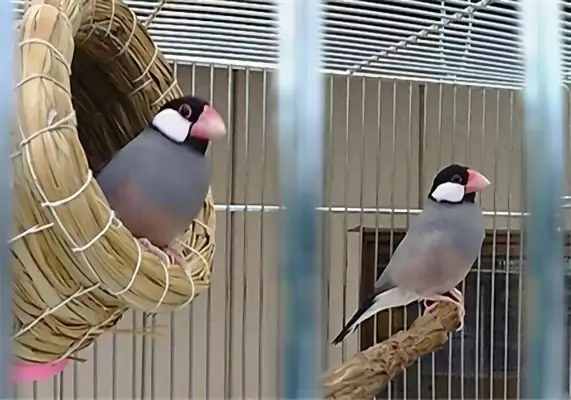
The greybird is not very large, and the average cage can be raised, and the size of a single cage is 60x40x50 cm. The nest size is 22Xl5x13 cm, wooded, with a 4 cm high partition in the middle, dividing the nest into two small rooms inside and outside. A circular hole opening 5 cm at one end of the nest and a vent at the other. For observation and cleaning purposes, the upper and side plates of the nest shall be active.
In addition to the nesting of birds in the back of the cage, one pole, one bath and one canteen each are prepared. In addition to the necessary food, water cans and baths, there must be a bar around the cage door and the nest hatch. The sand inside the cage is replaced for three days, and the sand is clean, preferably cleaned and dryed. In the summer, sun-proof ventilation is observed; in the winter, indoor temperatures are at 20°C and temperatures below 1.5°C affect the incubation and breeding of birds. Greybirds like to bathe and put water in baths every day. During the summer, one wash at 0900 and 1600 hours and one at 1400 hours in winter. The greybirds feed the order.
Greybirds are typical vegetarians, and their small sizes are visible in terms of the amount of food they feed on vegetables and seeds, a bird that does not fear that it will usually be able to live in populated areas and that it will also have a nest.
Greybirds like seeds with shells, rice, grains, tarts, seed. Rice (or grains) can normally be fed at a mix of 6:3:1 plumes and plumes. In addition, clean vegetable leaves, such as oilseeds, cabbage, etc., will be fed for 10 minutes with 1/1000 potassium permanganate water solution, which will be dryed and fed. Olympus powder and ink bones are also essential supplements. The amount of food is 1 in the following day. When added, remove the remaining residue from the food tank.
Greybird foods are dominated by rice and water, but ink fish bones are needed to replenish calcium and vitamin D, and if they are to reproduce, they must be prepared for ink fish bones, otherwise they will die of cartilage. There are also green vegetables that can be fed the following day, not much less, which would otherwise be diluted and the absence of green vegetables would result in rough and lightless feathers. Feeding egg rice at the end of the summer and autumn so that it can be incendiary for pre-eating mothers does not allow for incubation of eggs after delivery.