1. The biological load of the content-focused water turtle is high, and if metabolites such as ammonia, nitrite and nitrate are exceeded in the long term, their immunity is reduced, they are susceptible to disease or death. Thus, stable water quality is the cornerstone of health. Filtering systems need to be able to combine mechanical, biological and chemical filtration to ensure that water is clear, smelly and cyclical. The filter mix is scientific: mechanical filtering gives priority to the removal of suspensions, biofiltration provides a useful community decomposition of harmful substances, and chemical filtering is used to remove aroma and specific contaminants, but is not appropriate for long-term intensive use. Water temperature is also heavy with the Basking region: the temperature of water is relatively stable with the temperature of the ground sun, avoiding excessive temperature variability. Regular monitoring and step-by-step water exchange: establish parameter logs, test regularly and change water as planned, pre-emptively. Diet is as important as cleaning: over-feeding and pollution can rapidly deteriorate water quality, and daily cleaning takes place in a gentle and regular manner.
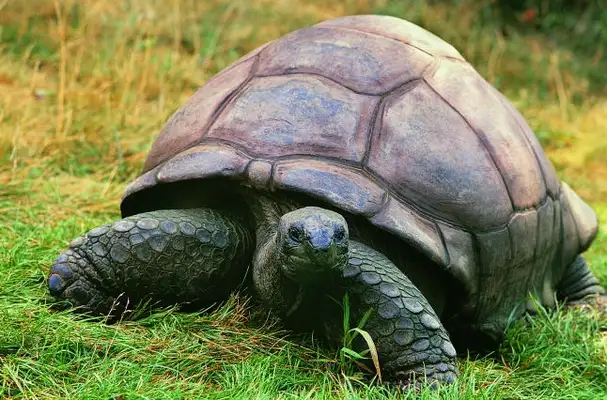
Recommended measures to select suitable filtering systems: External Filters/Aquasters are suitable for medium-sized and large water turtle tanks, with strong filtering and flexible maintenance to allow for layering of filters. The filter hierarchy recommends: mechanical filtering (high-density sponges) thallium biofiltration (porcelain rings, plastic balls, ceramic drums, etc.) thallium chemical filtering (active carbon/ion exchange resins, short-term use). Total flow principle: Start with at least 4-8 times/hour cycling capacity of the water column; large water turtle size, high excretion volume, appropriate 6-10x/h, with a secondary filter if necessary. Filters and maintenance: use multi-layer filters, clear partitioning at different levels, regularly flushing the mechanical layer, but avoiding over-washing of the biotic layer and preventing the dispersion of beneficial bacteria. Activated carbon is used for short-term aroma and contaminant adsorption, with a recommended interval of 4-6 weeks for replacement or short-term discontinuation of use to protect the fung bed. Water quality monitoring and water exchange: standing reagent boxes with a focus on pH, ammonia (NH3/NH4), nitrite, nitrate, temperature, etc. Water exchange strategy: 20-30 per cent per week for the initial period; if stabilized, it can be reduced to 20-30 per cent per fortnight, but adjusted at any time for high seasons or reproductive periods. Water temperature versus Basking area: The water temperature is usually maintained at 24-28°C, gasking area at 30-32°C, and the temperature is not too high for day and night, avoiding stress. Dietary management and cleaning: Feeding by turtle weight and type to avoid sudden changes in water quality due to excessive one-time intake. Regular clean-up of bottom sediments, filter entrances and tank walls to reduce organic loads.
III. A complete set of responses (steps)
Step 1: Evaluate and target-set measures of tank capacity, number and size of turtles, and determine the required filter capacity (target cycle 6-10x/h). Set water quality targets: NH3/NH4 0; NO2-0; NO3-controlled at 20-40 mg/L; pH 6.5-8.0; water temperature 24-28°C, Basking area 30-32°C.
Step 2: Select and configure filter systems to select external filters/Canisters, giving priority to filters with cleaning facilities and partitionable filter frames. Design filter levels: upper mechanical sponges, meso-biomedias (porcelain rings, porcelain cartridges, bioballs, etc.), lower-level chemical filtering (activated carbon is used for short periods). It is installed to ensure a smooth flow of water into and out of the water, avoid a dead corner and ensure that sediments at the bottom of the tank are effectively inhaled.
Step 3: Establish and stabilize the biological cycle of 1 - 2 weeks, which is dominated by a pure water cycle, with a small number of useful fungicides to assist in the establishment of the fungic beds; ensure that the peak values of ammonia are not excessive by using quick-impact sources of ammonia and distributed for feeding. Changes in ammonia, nitrite and nitrate are monitored and the daily reading is recorded until values stabilize. Avoid the addition of large quantities of bait at an early stage to prevent fluctuations in water quality.
Step 4: Daily maintenance and monitoring: observation of turtle activity, feeding and excretion, recording of water temperature, visible contamination in the tank. Weekly: test pH, NH3/NH4, NO2-, NO3-; clean the dust from the surface of the mechanical filter layer and be careful not to overclean the biotic layer. Monthly: Comprehensive check of filter status, replacement of chemical filters, if necessary, and check of the functioning of pumps, temperature control equipment.
Step 5: The ratio of regular and optimal water quality to conventional water exchange: 20-30 per cent per week, with increased frequency of water exchange during the high-hot or reproductive season, if necessary. Use of dechlorine water and, where necessary, the recharge of trace minerals to ensure the stability and nutrition of water quality.
Step 6: Responding to the abnormality of water, odor and bubbles: Check if filters are blocked and whether filters need to be cleaned; if the problem persists, consider short-term and increased frequency of water exchange. Ammonium/nitrate rise: reduce feed feeding, check temperature fluctuations, screen whether filters are plugged; conduct a major water exchange and enhance filtering if necessary. Insects/diseases or tortoise appetites, floats, etc.: rapid screening of water quality anomalies and contact with veterinary doctors while suspending the direct entry of new drugs to the system to avoid affecting the bacterial bed.
Step 7: Long-term maintenance and optimization of the assessment of the useful life-value ratio of filters every six months, and timely replacement of filters in cases of excessive wear and tear. If the tank capacity of a wall turtle or a large water turtle is expanded, simultaneous upgrading of the filter capacity is required to avoid a lag in the recovery of water quality. Long-term data (water temperature, parameters, water exchange, feeding, health of turtles) are recorded so that programmes can be adjusted at all times.
If you want, I can give you a customized list of filter models and detailed daily maintenance forms based on your specific tank capacity, turtle species and existing equipment. If you need to send me the size of the tank, the number and size of turtles, the filters and the power that you currently use, we can drop the programme in your aquarium.