Designation: PET4867
English name: Serinus canaria
Vulnerability: cold, vitamin deficiency
Life: 10 years
Price: Overview of canary varieties 200-500
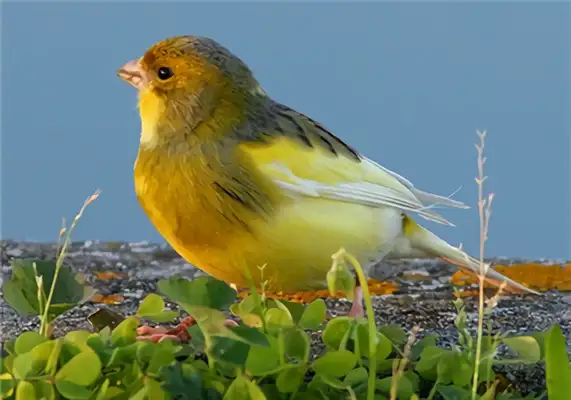
Serinus canaria's plume is now listed as one of the high-profile bird-watching birds in the country. The wild canary is clearly different from the caged canary in feathers.
The canary is also known as the Froggy Bird, the Flour, the White Jade Bird, the Jade Bird, the Jade Bird and the White Yan, and it is a canyon-eating cereal bird. There are 24 species on the islands of Canary, Madina and Isoliz, from the north-west coast of Africa.
Chinese literary name: canary
Don't call it "Footbird", "Foot", "White Jade", "White Jade Bird", "Foot Bird", "Boost Bird," "Boost Bird"
Two words: Serinus canaria
Context: Animals
Gate: Pipeline gate
Programme: Birds
FREEDOM: FREEDOMS
Section: spasco
It's a canary.
Cast: Canary
Distribution: canary morphological characteristics of the islands of Canary, Madina and Isoliz on the north-west coast of Africa
The ideal size of a canary should be around 13 cm, with wild canaries different from pet canaries of feathers, usually green or olive, and pet canaries usually yellow. There's more colored canaries, of course. The canary's feathers are yellow, white, red, green, brown, yellow canary in larger numbers, the most expensive of which are white canary with flesh in the mouth and legs, followed by white canary with red eyes. Newly arrived young birds, of the same gender, are of the same colour and are difficult to identify. Two to three months later, the anus of the male appears in cone shape, while the female is flat and elliptical. A canary living environment.
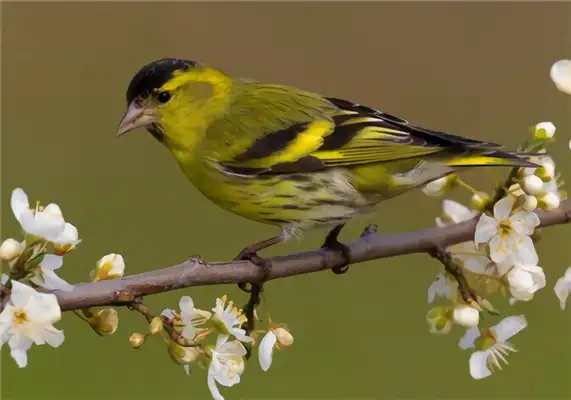
The canary, popularly known as the Froggy Bird, is now a popular pet bird, and since the canary likes the clean environment, cleaning the bird when it is raised becomes a daily imperative for the masters. Simple and safe layouts should be taken into account to facilitate rearing in the environment.
In the home, the cages must be large, preferably in specially made canary cages. Because canary movement in large cages can do much to increase its resilience. The golden silk bird is more adaptable, as long as it survives at relatively stable temperatures. It is extremely wrong for some bird breeders to believe that a golden silk bird must survive at temperatures of 10-25 degrees. Experiments in recent years have shown that, with a temperature difference of not more than 10 degrees, golden silk birds are perfectly able to survive in an environment of 5° to 35° below zero. In the long spring of the northeast, golden silkbirds are often seen hanging out of windows with snowflakes. The goldenbird is most afraid of temperature fusion rather than persistent cooling. Of course, the temperature of the golden silk bird's reproduction should be in the range of 15 to 25 degrees above zero and requires a relatively stable temperature, preferably not exceeding 5 degrees by day.
The canary likes water baths once a day in the summer, once a week in the winter with warm water and then when the feathers are dry before moving outside in order to avoid cold. The common diseases of canary canaries are intestinal and respiratory diseases, most of which are caused by unclean drinking and food, or by mutation in the breeding environment, and prevention is entirely avoidable. The three seasons of spring, autumn and winter must have some light. Because light stimulates the neurological excitement of the golden silk bird and increases appetite, it promotes the growth of bones and the formation of eggshells in the light. Anyway, it's not hard to raise canaries, so long as you have a heart for her, you'll be able to keep her well. The canary.
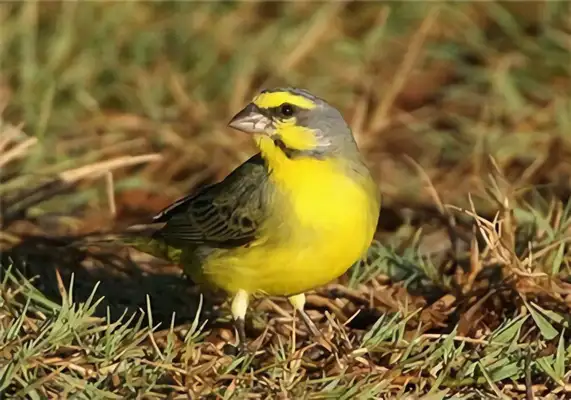
The canary is more edible, mainly fed by grains of grain, and in a good environment they can live for 15 years or more, compared to pet dogs.
The canary's food is mixed, and when it is appropriate to feed it depends on its nutritional needs. The main nutrients required by birds are proteins, carbohydrates, fats, vitamins, minerals, etc. These nutrients are generally ingested in the daily feed of the frog. However, minerals and vitamins are to be supplied separately during the exchange of feathers and breeding seasons. The daily feed of the frogs is generally cereal, pasta, small oil crops and vegetables. Grain includes grains such as grains, tarts and tarts. Oil crops include sucos, vegetables, peanuts, walnuts, etc. These oil crops are not normally fed, but are only supplied in an appropriate quantity during the chick season, the plume rotation period and the onset period. It helps birds breed. The canary also has a special appetite for bitter pickles, which not only combat bird depletion but also provide vitamins. In the event that the conditions are met, fresh and bitter vegetables may be dried for winter in the summer and autumn festivals.