Designation: PET5357
English name: Hemitaurichthys zosterfish species profile
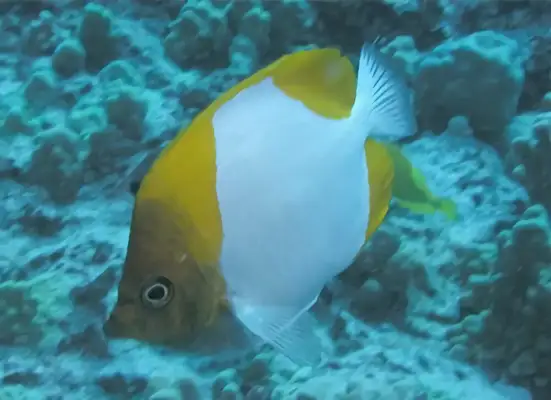
It is also known as the Indian Silver-Blank Butterfish, which is very special because of its white belt in the centre of its body, its other parts are brown and its tails are grey. However, the rearing rate is not very high because of the small colour of the tuna and the colour of the other butterflies.
Don't call it silver butterflies.
Two words: Hemitaurichthys zoster
Gate: Trondata Gate
Context: Animals
Hemitaurichthys
Perciformes
Distribution: Western Pacific region, India
Actinopterygii
Scrubbing: Questfish H. zoster
Chinese literary name: twatfish
Section: Butterfly Fish Section
Artemis: Percoidei larvae
There is a white band in the centre of the body of the twilight fish, and the rest (except for tail fins) is black and brown and the tail is white. It is not very difficult to raise butterflies, but they are adopted by businesses because of their colours and the colours of other butterflies.
Butterfish are 15-20 cm long, and eggs are flat. Silver white, yellow back fins, yellow hip fins, grey head triangles and a yellow triangle of the chest fins to the north. Silver white, yellow back fins, yellow hip fins, gray head triangles, and a triangle yellow spot from the chest fins to the north, as detailed in the picture of the fish and butterflies. 12 hard back fins, 24-26 soft bars; 3 hard ass fins, 21 soft bars. The environment in which butterflies are raised
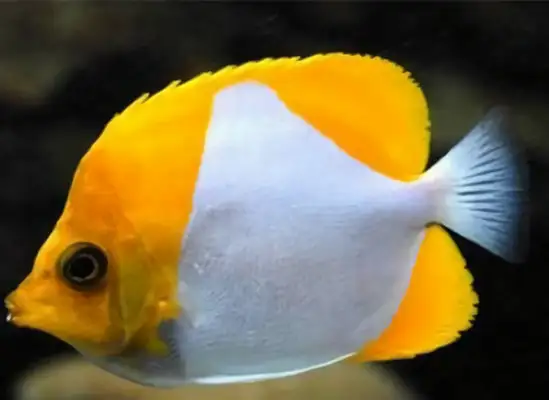
It is not difficult to raise thawfish, but because of their different colours and those of other thawfish, they are more likely to be adopted by the liners. In fact, it is sufficient to provide a steady water quality and nutritionally balanced bait.
As they live in the wild, they prefer to live in open waters on the edge of coral reefs, often in groups, where they are carnival and fed by organisms attached to coral reefs. They are found in Taiwan, China, Pacific coral reef areas, and butterflies. Water temperature is 27-28°C, seawater weight is 1.022-1.023, seawater pH is 8.0-8.5 and seawater has a nitrate content of less than 0.05-0.1 mg/L and water quality requires stability. It is recommended that the time of light exposure of the tunafish be 8-10 hours per day. The chubby fish feed.
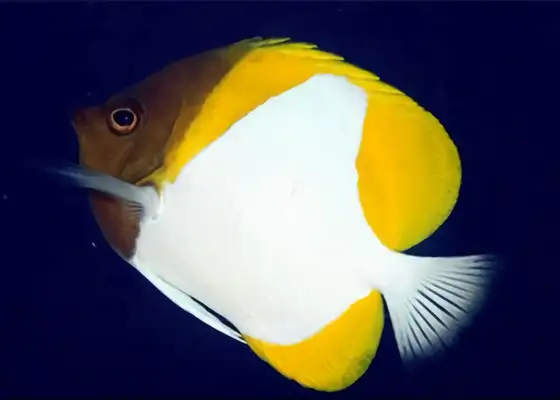
They are meat-eating fish, and those who live in the wild are often found in herds and fed by organisms attached to coral reefs. It is not very difficult to raise thawfish, but the rate is low due to differences in colour and other butterfly fish colours.
Artificial rearing of thawfish is required to provide them with a balanced nutritional bait, which consists of earthworms, red worms, shredded fish meat, water-fish granular feed, etc., which can be dried with liquid bait and fed into the water. Can't mix with invertebrates.