On 13 February 2023, a heartbreaking incident took place in Hong Kong's San Yahai Brigade Free City. A guide dog named Blacky, while accompanying her owner, a visually impaired lady, suddenly fainted in the mall and died after urgent medical treatment. Black is known to be an 8-year-old Labrador, who has served for six years, a faithful partner and “eye” for the visually impaired. The death of Blacky has not only deprived the visually impaired woman of a close friend, but has also led to increased attention and reflection on the situation of the visually impaired and guide dogs.
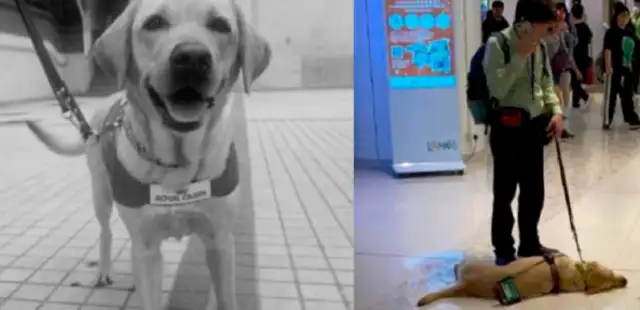
Guided dogs are work dogs dedicated to the services of persons with visual impairments who, after rigorous selection and training, are highly intelligent, obedient and loyal and can help persons with visual impairment to move safely in complex environments, enhancing their independence and social participation. The guide dogs are not only the help of the visually impaired, but also their partners, who can bring warmth and comfort to them and ease their loneliness and stress. The average life expectancy of guide dogs is 10 to 12 years, while their average length of service is 6 to 8 years, i.e., most of their lives are spent on persons with visual impairment. The death of the guide dogs is a great loss and blow for the visually impaired, who need time and support to get out of grief and adapt to a new life.
However, in Hong Kong, the lives of the visually impaired and guide dogs are not easy, and they face various difficulties and challenges. First, the quantity and quality of guide dogs are insufficient to meet the needs of the visually impaired. According to statistics, there are about 170,000 visually impaired people in Hong Kong, but only about 40 guide dogs are in service and most of them donated or purchased from overseas (e.g. Japan, Australia, United States and British) and are not necessarily adapted to the climate and environment of Hong Kong. There are currently only two voluntary groups in Hong Kong that specialize in the training of guide dogs, namely, the Hong Kong Guide Dog Association and the Hong Kong Guide Dog Service, but they are limited in size and funding, have only a few guide dogs per year and do not receive funding and support from the Government and are dependent on social contributions and sponsorship. The cost of domesticating and training a guide dog amounts to HK$200,000 and takes 24 to 36 months, taking into account the health, character, abilities and matching of the dog, is not an easy task.

Second, the legal status and social awareness of guide dogs is unclear and inadequate, leading to frequent discrimination and rejection of visually impaired and guide dogs. Under the Act on the Protection of Persons with Disabilities and the Convention on the Rights of Persons with Disabilities, persons with visual impairments have the right to enter any public place with guide dogs, without any form of discrimination or restriction. However, many people do not understand the role and specificity of guide dogs and treat them as general pets, believing that they may endanger public safety and health or affect the interests and feelings of others, thereby denying or preventing guide dogs from entering places such as malls, restaurants, hotels, hospitals, public transport. Managers and staff at these sites are also often unaware of or do not comply with the relevant legal provisions or deny services and facilities to visually impaired persons and guide dogs on various grounds. These practices not only violate the legitimate rights and interests of the visually impaired, but also undermine their dignity and self-confidence and limit their social activities and quality of life.
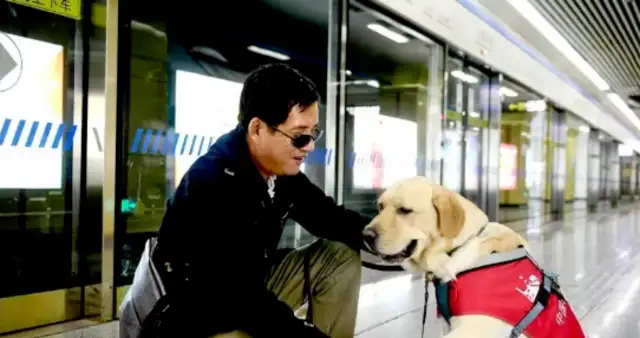
Thirdly, there is a lack of regulation and monitoring of the development and use of guide dogs, leading to a number of negative phenomena. On the one hand, the abuse of the status of guide dogs by some to impersonate their pets as guide dogs, to take them to places where they are prohibited, or to benefit from the benefits and treatment of guide dogs, not only violates the law, but also undermines the image and credibility of guide dogs and affects the interests of the real visually impaired and guide dogs. On the other hand, some persons with visual impairment are not responsible for the management and protection of guide dogs, and do not provide them with adequate food, moisture, rest and medical care, or allow guide dogs to work in inappropriate environments and times, resulting in physical and mental damage to guide dogs and even death. These phenomena reflect the fact that the welfare and rights of guide dogs are not yet fully guaranteed and respected, and that the relevant education and supervision need to be strengthened.
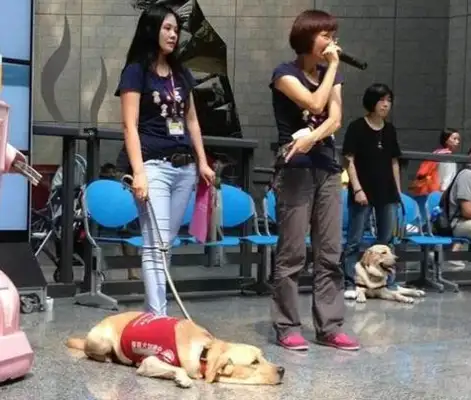
The death of a guide dog in Hong Kong ' s mall, though tragic, is also an opportunity to revisit the issue of visually impaired persons and guide dogs and to think about how to improve their living conditions, enhance their social status and safeguard their legitimate rights and interests. We should start with the following:
Increase investment in and support for guide dogs, increase the quantity and quality of guide dogs, reduce the waiting time for persons with visual impairments, increase the adaptability and efficiency of guide dogs and reduce the cost and difficulty of guide dogs.
(c) Clarify and implement the legal status and social awareness of guide dogs, strengthen information and education for the public and relevant personnel, eliminate misconceptions and prejudices about guide dogs and increase understanding of and respect for guide dogs.
Establish and improve the regulation and supervision of guide dogs, develop and enforce standards and guidelines for guide dogs, prevent and punish their abuse and abuse, and protect and improve their welfare and rights.
Strengthen the care and support of visually impaired persons and guide dogs, provide and improve their services and facilities, care and meet their needs and expectations, respect and encourage their development and contribution.
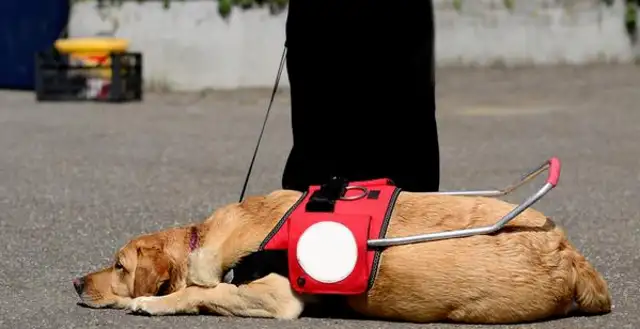
Guided dogs are the eyes of the visually impaired and the angels of society, who bring light and hope to the visually impaired and to society with their life and loyalty. Let us all pray and bless guide dogs and the visually impaired, and let us together create and maintain a more friendly and inclusive society for guide dogs and the visually impaired.