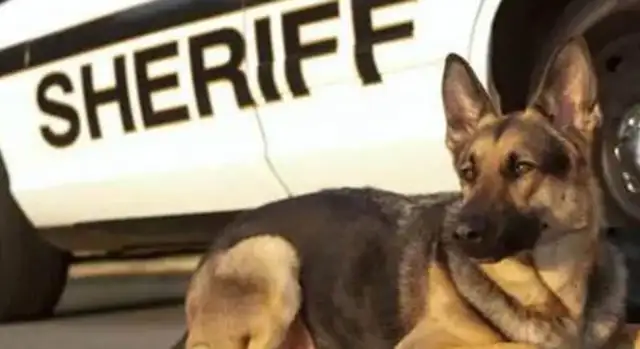
In our perception, the most heard service dogs are guide dogs or police dogs, and many small partners feel that there is only one service dog. In fact, their vast variety is beyond our imagination. There are more than 100,000 registered service dogs in the United States, which have a variety of uses to help special populations, such as help in the medical field or persons with disabilities.
Service dogs can serve and, of course, save people. Not every dog can be a service dog, but they need to be strictly trained to be unswerving in the face of good food and unswerving in the face of difficulty. They work in conditions different from ordinary dogs, such as ordinary malls, survey sites and even floating across the sea. Sometimes our inconvenient jobs are capable of being done, so they are of high standing. So what exactly are the service dogs?
I. Guided dogs
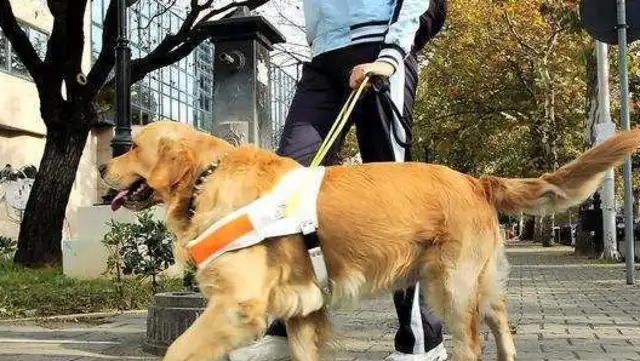
The most common service dog in our lives is it, which helps people who are blind or sick in their eyes, guides them and avoids accidents due to visual impairments, which are like the eyes of those people. Dogs such as guide dogs are now more mature and the largest. They are very good, but sometimes they do not, and they correct the wrong instructions of the master, depending on the circumstances. When we meet guide dogs on our way, do not try to reach them, because that would interfere with their work.
II. hearing dogs
Isn't it strange to hear about dogs like this? It is usually felt that deaf people can see things, that they can be judged more clearly and that there is no need for dog aids. They can see, but their world is silent, so they can't hear the sound of an alarm before a fire or an earthquake, which could cause them to lose their lives. And the hearing dogs can help them escape in time. Do you want them to remain with their children if they cannot hear their children crying in everyday life as parents? It's impossible. They're resting. So the hearing dogs were born.
III. Psychiatry service dogs
Some suffer from mental health disorders, depression, mental illness, etc. that are already so severe that they are unable to take care of themselves that there is usually loneliness, fear or stressful behaviour, and service dogs can help them to relax and help them to do small things such as closing doors, lights, etc. These dogs are often dangerous because no one knows what these psychotic patients will do.
IV. Autism support dogs
Persons with autism close their hearts to others and only by opening their hearts can help them out of their autism. Autism support dogs, on the other hand, can help them, encourage them with physical behavior, build self-confidence, and when patients are lost, dogs can find them.
V. Breast Cancer Alert Dogs
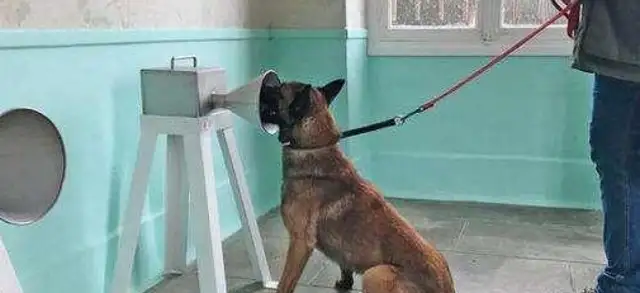
One of the most sensitive organs of dogs is their nose. They have about 200 million sniffing cells in their noses, and there are only 5 million people. They have more mucus in their noses, but they are not much larger than us, so they have an amazing density of cells in their nasal cavities, so they smell more than 1,000 times more than humans. Dogs are extremely sensitive to the scent and can find their desired scent in two million of them, as well as in multiple combinations. You can even find diseases in humans, not just diabetes, but even cancer, allergies in the air and so on, and dogs can smell them. Professionally trained service dogs, they're going to do some unusual things to warn you of a disease.
VI. Operational aid dogs
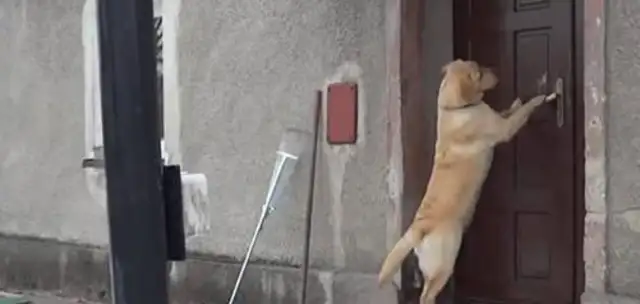
It may take a long time for some disabled or elderly people with mobility problems to close a light and open a door, and these little things are easy for dogs. And dogs are more likely to accompany them, after all, to work, and they can fill this gap with little time dedicated to them.
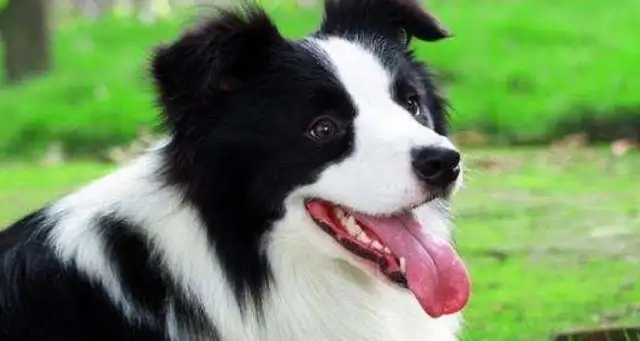
The service dogs are not yet fully integrated into all aspects of our lives, and I think the dog's value is much more than just being with us, making us happy or making us angry. Dogs, for example, are very rare and service dogs are limited, but as culture matures and technology rapidly develops, it is believed that service dogs can be integrated more quickly into our lives. Let them be used in all walks of life, instead of being just a nice little pet baby, and become more of our best helpers, making them more meaningful and time-sensitive. They are more in line with the term “human most loyal friend”.