Saying goodbye to the furry family members is undoubtedly a time of emotion and challenge. As human beings, we tend to express most of our sorrow in words and limbs, and our understanding and grief of the death of pets are different from our friends on four legs. Animals cannot express their feelings in language or fully understand why their friends are no longer with them. Despite these challenges, most cats and dogs experience a degree of grief when they lose their animal friends.
Grievance is not an isolated event of limited duration. Everyone, whether human or animal, treats grief differently and experiences it at different speeds. Mankind has access to large amounts of pet losses to support resources, but helping our pets out of grief depends largely on us.
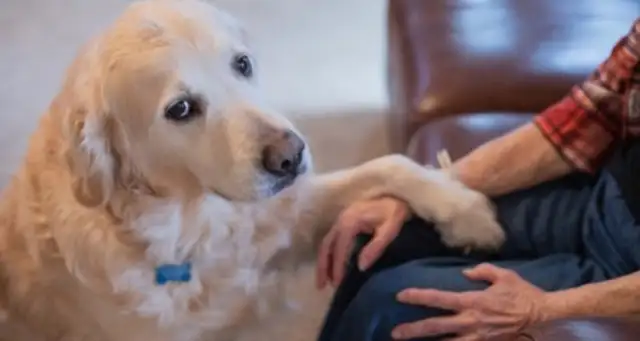 A sign of sadness.
After the death of a pet companion, the surviving cat or dog may exhibit new or unusual behaviour. Lack of appetite or physical decline are the most common manifestations. Some of the pets may seek isolation, while others become more sticky and begin to show signs of separability. The noises of barking, whizzing, howling or whirling have increased and normal patterns of sleep may change.
It is worth noting that some pets appear to be completely immune from the death of their partner. Like human sorrow and loss of loved ones, death is treated and accepted in a way that is not wrong. It doesn't matter if your pets seem indifferent to the loss of their furry friends. It may be difficult to observe such reactions in emotional situations, but equally, every sad process is different. How to help?
After losing our beloved pets, we all need time to mourn and deal with our losses. While our surviving pets will be very supportive in our grief, it is important to remember that they also have their own sadness. If your pets are sticky or show signs of separative anxiety, it is reasonable to start giving them as much additional attention as possible. Over time, there has been a gradual attempt to help them regain a sense of stability and independence by restoring normal frequency of interaction.
Please respect as much as possible the bottom lines of pets who wish to be alone or who appear to be asleep after the death of another pet. Your pets can lie alone in bed instead of forcing them to hug on the couch. Like people, pets are sad in different ways, and some of them need extra space.
The sedated information is very helpful to many pets. Insertors, sprayers and collars apply to cats and dogs. While they may not be a miracle solution to sad processes, they are a small and simple way of helping.
In the days or weeks following the loss of a pet, it may be necessary to huddle to help them eat. For dogs, the provision of fresh food, such as cooked white chicken and rice, is usually a safe option that attracts their appetite and does not make their stomachs uncomfortable. As predators, cats only eat cooked white chicken. Once your pet eats more steadily, you should try to restore their normal diet and mix the light food with their normal food. Avoid the provision of other table residues or excess food, which may cause gastrointestinal discomfort or pancreasitis.
Finally, as long as you all feel ready, try to get the pets back to normal. When do you want professional help?
While the sad process does not always follow the same path or time frame, some pets do need some additional support after losing their furry friends. While most pets have only a few embraces in the course of their grief, some experience longer-term changes in appetite or anxiety. In such cases, the help of a veterinarian must be sought.
For cats in particular, chronic appetite may cause liver fat to change. If your cat hasn't eaten for more than a day or two, you should have an evaluation by a veterinarian, because it may be necessary to use assistive drugs.
If cats and dogs remain particularly isolated or indifferent after a week or so, or display apparent separation anxiety, then anti-anxiety drugs should be discussed with veterinarians. These drugs can help your pets deal with the loss of friends in the short term and remember how to relive life.
Loss is never an easy thing, and every loss is different. In these painful and challenging times, remember to give you and your pet compassion, time for grief and enough tolerance.