Many people in winter have a hobby -- skiing. Especially abroad, skiing is popular and snow mountains are particularly numerous. But everyone also bears the risk of avalanche as they enjoy the speed and passion of skiing in the wild. So abroad, there were more dogs: avalanche search dogs.
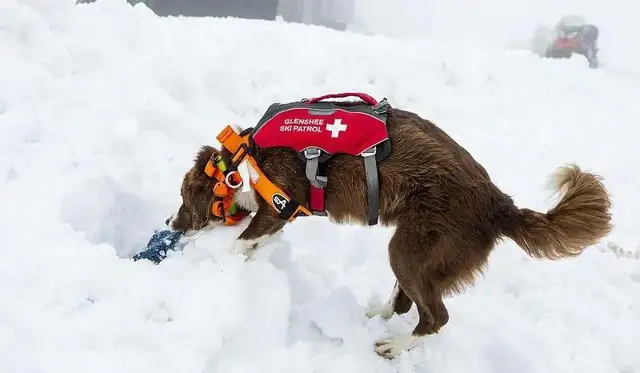
Dogs are millions of times more capable of identifying scents than humans, 18 times more capable of hearing than humans, with a broad vision and the ability to visualize in the light. Highly trained search and rescue dogs play a unique role in various disaster response sites. It captures some fine scents from the air and directs trainers closer to the body, and it determines whether they are survivors or the remains of the victims. Avalanche search and rescue is a difficult task, and in the snow, the chances of finding the victims with manpower are minimal. With the assistance of trained, smell-sensitive search and rescue dogs, the chances of success often increase.
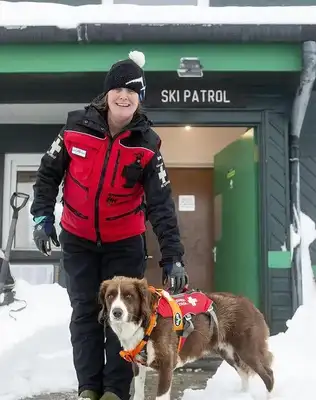
In order to inform you about the work of the dogs, Alpine Search and Rescue Dogs released a video of the rescue dogs from the point of view of people trapped in avalanches.
In times of fear unknown, the sound of the dog comes first, then the sound of snowstacking, and then after breaking the ice, there comes an angel who smiles at you: hold on, two-legged beasts, I'll save you!
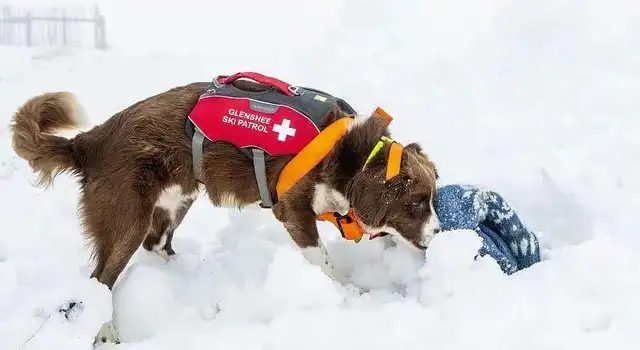
This video has touched a lot of netizens, especially when it comes to dogs breaking snow.
In addition to avalanche search dogs, there are avalanches search cats. They have the natural skill and intelligence to find victims quickly in the snow, more efficient than detectors.
The Canadian Avalanche Cascue Cat Association is a group of volunteers who train cats in the mountains for avalanche search and rescue missions.
The founder, Steve Ruskay, moved to Feni in 2005 and began to be a ski patrolman. While keeping an eye on the avalanche situation in the mountains, he felt that traditional search-and-rescue methods were too inefficient, as in the case of search-and-rescue agents who did not carry a transmitter, it was almost impossible to find a person; in addition, detectors were also slow to search for the ground and had to be buried to a large extent.

Lusky said that dogs, although highly skilled in search and rescue, were too long and costly to sustain search and rescue efficiency and decided to train cats. The CARCA was established in 2008, but Luscay and the members of the regiment wanted to give up a few months later, because the unbelievably unbelieving cats left them with hundreds of more scratches.
But a miracle happened, and Luscay and an avalanche searcher Tim successfully found a victim and saved him. CARCA was encouraged by this historic rescue and indicated that it would continue to train cats and build a well-trained avalanche search and rescue team.

Wow, that's a great furry boy!
Have you ever heard of any special work dogs or cats?
Some text, pictures from the web
In case of infringement, please contact delete