Designation: PET4766
English name: Rasboratermorph Duncker
National origin: Peninsular Malaysia, Singapore, Thailand, Sumatra Indonesia, etc. Land
Vulnerability to diseases: albino disease, rotting tail disease
Life: 4-5 years of Blue Triangle species profile
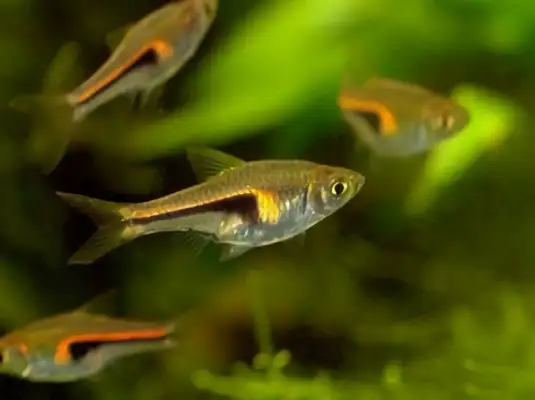
Blue-triangular fish, also known as delta fish, are carvings, generally at 24-28°C, with a strong appetite and very rapid growth. Blue deltas are warm and friendly with other fish viewers, but cannot mix with large fish.
English name: Rasboratermorph Duncker
Type: Tropical freshwater fish
Origin: Peninsular Malaysia, Singapore, Thailand and Sumatra Indonesia.
Reproduction: Eggs
Water quality: water hardness 1-3 degrees, PH6.2-6.4
Difficulty of raising: easy to shape blue triangle fish
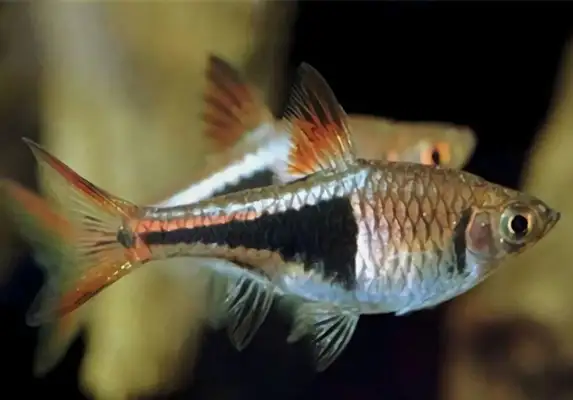
Blue deltas have a more moderate character and can be combined with small tropical fish of the same temperate character, with taboos and large viewers. The look of the blue triangle is also very interesting, and can be seen in pictures.
Blue triangles have 3 to 5 centimetres in size and habits. The fish is fit to live in soft water, old water, PH6.6, water temperature 24-28 degrees, and can withstand it if it's two degrees lower, but in a short period of time the temperature difference cannot be greater than two degrees, and the temperature difference between day and night cannot change significantly. Hot live bait and dry feed. A warm, warm and friendly relationship with other fish is not an opportunity to combine it with a large fish, which is often affected by bullying, which, in the long run, will be thinner and darker and less valuable.
The back fins, hip fins and tail fins are red and have white edges, the chest fins and the abdomen fins are colourless and transparent, and the central body has a black triangle from the abdominal fin to the tail fin base, which is also known as the Blue Triangle or the Black Triangle. Blue Triangle Fisheries Environment
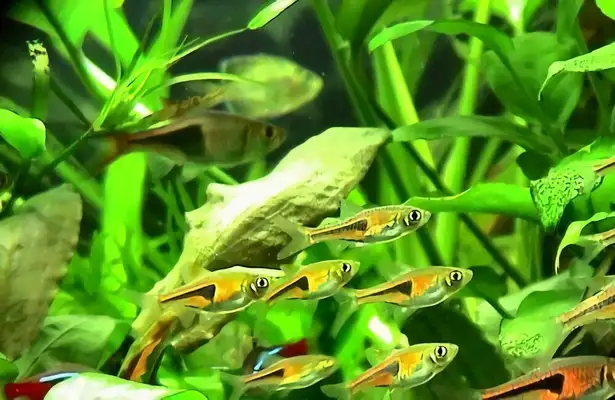
Blue-triangular fish are raised in different breeding environments, during their reproductive periods and in general, so it is important for fish friends to pay attention to the breeding environment of blue-triangles. Blue deltas are slightly smaller in size and are of a moderate character and can be combined with small fish viewers of the same kind.
The water temperature of blue-triangular fish is generally contained between 24 and 28°C, where the blue-triangular fish thrive and grow rapidly, free from external temperature variations, and remain relatively stable. The baits for Blue Triangle are fish worms, earthworms, fibreworms, yellow powder worms, small live fish, granular feed, etc. A group of people are active in static or slow-flow waters.
It is more difficult to distinguish between females and males in delta fish, but the male chromosomal is much hoter than usual during reproduction. When the male moves above the female, the female begins to lay eggs. Reproduction water temperature 28-30 degrees. The water is 1 to 3 degrees hard, PH6.2 to 6.4, so the rain is good. There is a need for broad-leaved weeds to make nests, with females laying 50 to 200 eggs and fertilized eggs hatching after 1 to 2 days. It is not appropriate to interfere at this time, and the fish should be taken. After three days, the fish began to swim for food. Blue Triangle.
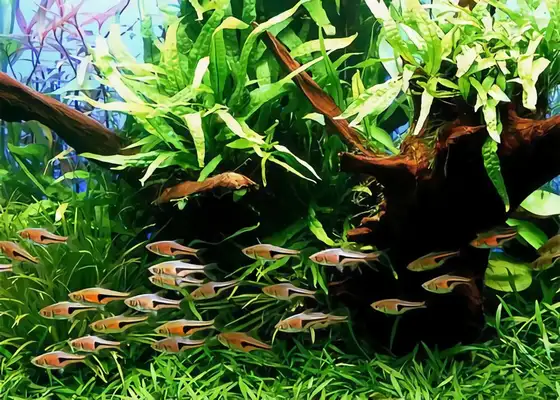
The blue triangle is not only concerned with the environmental aspects of their breeding, but also has certain requirements for bait for small-scale fish such as the blue triangle. So how do science feed blue triangles to make them grow healthier?
The water temperature of blue-triangular fish is generally contained between 24 and 28°C, where the blue-triangular fish thrive and grow rapidly, free from external temperature variations, and remain relatively stable. The baits for Blue Triangle are fish worms, earthworms, fibreworms, yellow powder worms, small live fish, granular feed, etc. The variety and size of the gold barfish range so that the bait choices vary from one species to another. For blue-tribe fish, which are 3-12 cm in length, the bait is mainly tortoises, supported by earthworms, red worms and yellow powder. For blue-trigger fish of 12 cm or above, the insects are small and less edible, a slightly larger individual bait should be selected, mainly red worms, earthworms, yellow powders, live fish, etc. Lightning zebras are mostly dominated by animal baits, while small varieties can also be domesticated to grain feed, while very few fish are plant baits.
The amount of bait delivered by the Blue Triangle shall be determined by the size and quantity of the fish. Households tend to feed gold barfish only one or two times a day, with a proper drop of 5 to 10 minutes. Large numbers of blue-triangles are raised with two or three baits per day; fish species during reproduction are used with three or four baits per day. Owing to the small size of the Blue Triangle fish and limited diets, which are suitable for 7 to 80% of each drop, the increase in the number of drops has contributed to the rapid growth of turtles. Most of the species of blue triangle fish are baited mainly by insects. When the bait is dominated by worms, its delivery is controlled to be finished within 1 0-30 minutes. When the bait is dominated by earthworms, it is fed in 5 to 10 minutes, each in 2 or 3 times, and the earthworms fed are washed up. When the bait is dominated by shrimp, it should, in principle, be fed more and less, and when the Blue Triangle replaces the new bait, the amount of the bait will gradually increase. Blue Triangle fish, before transport, must stop the bait for 1 to 2 days.