Designation: PET3257
English name: Nhandu caraponesis
Origin: Brazil
Vulnerability to disease: early death
Life: 3-5 years, overview of red spider species in Brazil
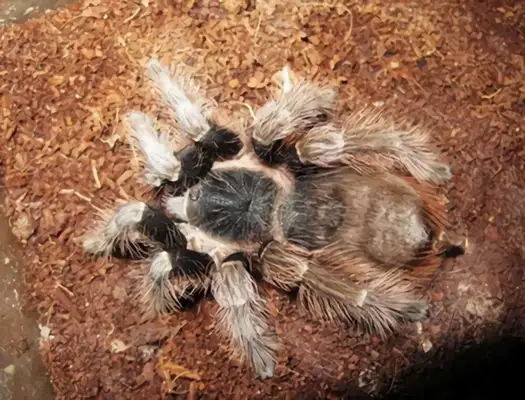
Brazilian red-haired spider, Latin called Nhandu Carapounis. It is also known as an orange-cracked bird spider from the Brazilian rainforest, which is of a larger size.
Latin name: Nhandu caraponesis
Also known as the Brazilian Orange Oscillator.
Origin: Brazilian rainforest
Adult length: 16-17 cm foot
Appropriate temperature: 26 ~ 28 °C
Appropriate humidity: 80%
It is recommended that the bottoms be used: wet peat, coconut brick, clay.
Fitness: Collection of Brazilian red hair spiders
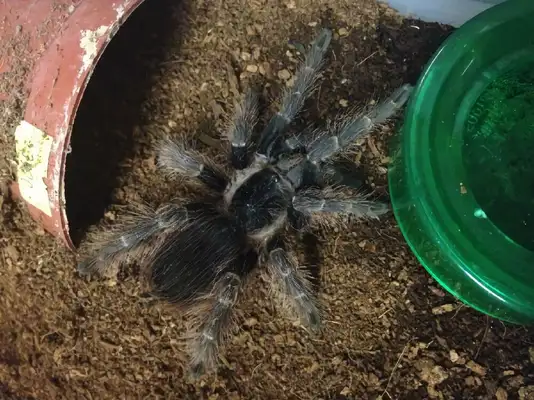
Brazilian red-haired spiders belong to a variety suitable for players, which is expensive because they are less common in the pet hunting spider market. In Brazil, hunting spiders are also prohibited from exporting, although the Brazilian red-haired spiders have some collection value.
Brazilian red-haired spiders, like their fellow Brazilian black-and-white feet and Brazilian white-tailed red tails, are very small and almost grey, showing some colours only as long as 3 centimetres and about 6 centimetres as well. Point for Brazilian red-haired spider breeding
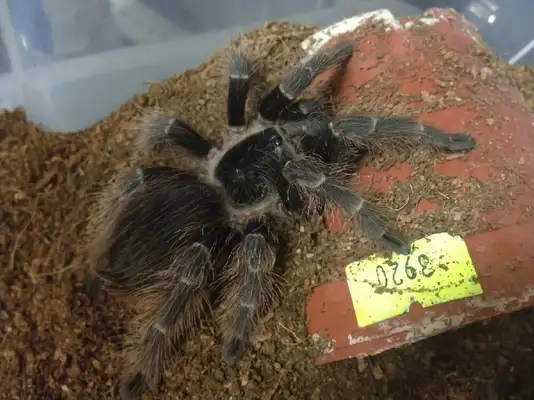
Brazilian red-haired spiders, born in Brazil, prefer to live in Brazilian rainforests, are larger than average pet spiders because they catch bird spiders and are generally not recommended by new players.
According to the data, Brazilian red-haired spiders are more stimulating than most of the other new continental species, and they are very nervous, and when they are perceived as threatening they start to kick, which also includes the unwitting shock of feeders when they open their rearing boxes. Therefore, they are not suitable for first-time breeders who have never raised pets to catch bird spiders. However, since they are largely unexplored, they are considered to be a very good type of pet-fishing spider. Brazilian red-haired spider breeding environment
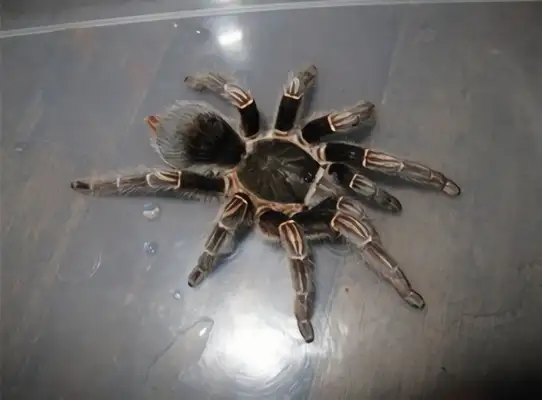
Brazilian red-haired spiders can be formed up to 16-17 cm foot, and according to the data, Brazilian red-haired spiders are very nervous, so they can be kicked more often, and this breed does not recommend new-hand players with no experience in breeding.
Brazilian red-haired spiders are suitable for temperature 26-28°C and 80% humidity, and it is recommended to use wet peat, coconut brick, clay as the base. If you've had some experience with pets, and you like to collect rare species, it should be a good choice. Brazilian red-haired spider feeding point
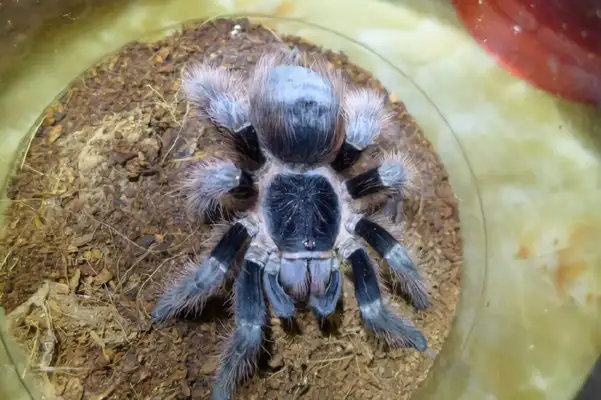
Brazilian red-haired spiders, also known as Brazilian orange-coloured bird-eating spiders, born in Brazil, prefer to live in tropical rainforests, where wild Brazilian red-haired spiders feed on insects and small mammals, so that the standard can also be used for food by hand-breeding.
Brazilian red-haired spiders can feed mainly crickets, bread worms, barley worms, dubia cockroaches and occasionally mammals such as mice and birds. It needs to be noted that the food given is too monolithic and requires frequent changes. This type of wool is more stimulating than most of the other new continental species, and they are also very nervous, and when they feel threatened, they start to kick, which also includes the unwitting shock of feeders when they open their rearing boxes. Brazilian red-haired spiders are not suitable for first-time breeding by beginners who have never raised pets to catch bird spiders. However, since they are largely unexplored, they are considered to be a very good type of pet-fishing spider.