No.: PET5687
English name: Central American Evertele
National origin: Distribution in southern Mexico, Guatemala and Belize.
Vulnerability: skin diseases, skin rotting nails
Life: More than 20 years
Price: Overview of species of more than 1,000 Central American turtles
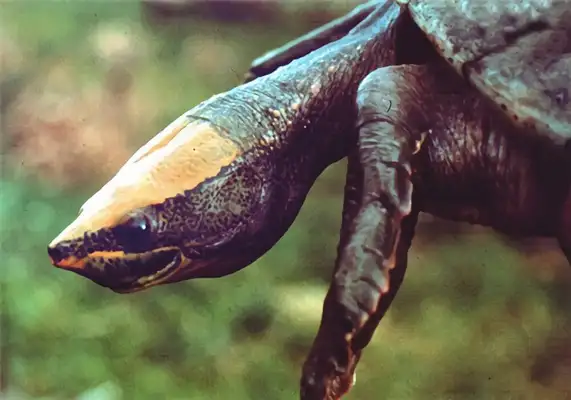
Central American turtles are large, small, protected by local governments, relatively rare in the market, the only species of turtles, older reptiles, and now only a small part of Mexico.
Chinese literary name: Central American river turtle
In Chinese for turtles
English name: Central American Evertele
Two words: Dermatemysmawi
Context: Animals
Gate: Pipeline gate
Amen: vertebrate Amen.
Programme: climb
Tortoises.
Subtitles: Curvature turtle
Section: mud turtles
Crop: Central American turtles
Distribution: distributed in southern Mexico, Guatemala and Belize.
Appearance characteristics: Medium size is about 17.5 cm, with three vertebrate vertebrae in general long back armour, visible black, and no cavities.
Lifestyle: mainly in freshwater, can also be found in the Gulf and the Lagoon. Tortoise science is much more widely distributed before history, and there are many fossils found in China. It's usually about 15 cm long.
Reproduction: Each female has dug a hole by the river, giving birth to about 20 eggs at a time.
Eating: Meat-eating, feeding on worms, snails, shrimps and small fish, and also on the leaves of plants. Characteristics of the Central American turtle morphology
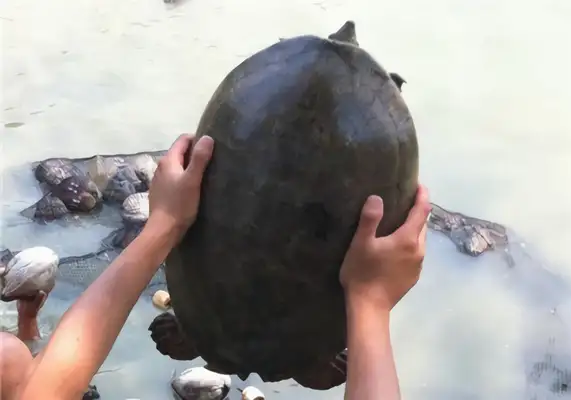
Central American turtles are water-dwelling turtles with more visible feet and highly aquatic turtles, which generally degrade their ability to climb their legs, so that Central American turtles usually do not land and stay in the water for long periods.
The medium size of the Central American turtle is about 17.5 cm, and the three vertebrate skulls are generally long, with visible blackness and no sawn teeth. Some individuals have more complete vertebrate development, but perhaps more flat than others, or do not exist in the back of older individuals. At the time of formation, the length of a guilder of 1/4 was greater than the width, but block 5 was wider than the length and spread backwards. The 1st vertebrate shield is extended forward, often in contact with the 2nd diagonal shield, and the rear of the back armour also extends outward, with the 10th diaphragm above the others. The colour of the back armour ranges from coffee to tan, with a black border line between the shields.
The male abdominal cascading of the Central American river turtles, with long and thick tails, with hook-like thorns at the end, with two rows of thicker lacerations on the inside side of the back leg, with a length of about 15.5 cm, which is clearly smaller than that of the female. The female is flat and full, with shorter tails. Central American knowledge of turtle care
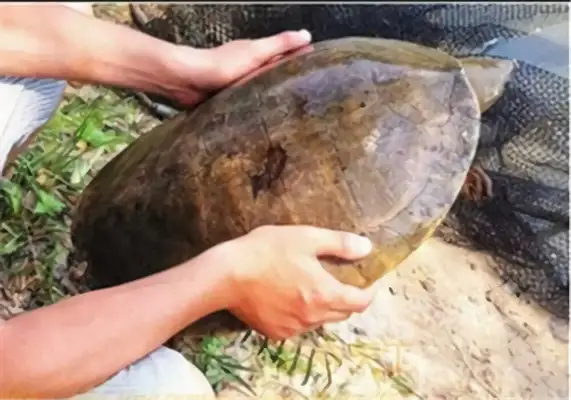
Central American turtles, which are only a small fraction of Mexico ' s population, are now left with only one of them as a result of human hunting, and have accelerated the pace of human protection, which has been included in the protection of animals since the 1990s.
Central American turtles lay eggs twice a year during spring and winter. Each female digs a hole by the river and produces about 20 eggs at a time. In North America, both Europe and Asia have discovered the fossils of the plume turtles, but today only one member of the mud turtle family is left: the Central American turtles. Central American river turtles are pure water turtles with well-developed respiratory systems that can stay in the water for long periods. They inhale water from their mouths and noses, and can extract oxygen from water from the membranes on the back of their nasal cavities.
In the United States, since 1997, Central American sea turtles have been included in the Act on Endangered Species and are in need of protection as candidates. The impact on the south-west region is clear because of the changing climate and shrinking habitat. Therefore, the decline in numbers is inevitable. In an area of 2042 metres above sea level, permanent streams, rivers, ponds, ditches and water dens. They are often found in forested lands, and only a few enter temporary waters. In the Chiricahua Mountains, south-eastern Arizona, 90 per cent of the 580 Central American turtles are caught in water pools. Five per cent of the individuals were captured in the stream and five per cent on land. They also occasionally migrate from one water to another, which may indicate that there is no distance of 8 kilometres between the pond they temporarily leave and the permanent water. Living conditions for Central American turtles
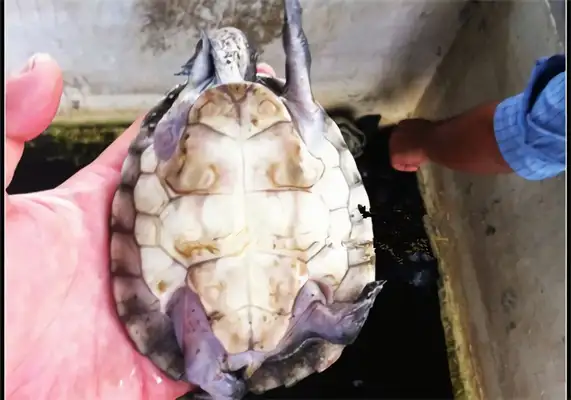
Central American river turtles do not need a very strict rearing environment, but it is important for them to be highly aquatic in nature to ensure the quality of their water, which can easily lead to deterioration in water quality by eating and pulling in the water, and at a time when water exchange is timely.
Obscene water can cause diseases in Central American river turtles, but excessive water exchange can lead to diseases such as decomposition. The presence of a variety of chemicals in the piped water can stimulate turtles, and turtles may be okay, but for a turtle, some of them die. An individual opinion on the change cycle is as long as possible. When the water is dirty, it can be changed once every two to three days, and once in a week with a filter. Water would be better handled first, and the most common and simple way would be to tan one day under the sun, help remove chlorine from it and kill bacteria.
The Mesoamerican turtle defecates within half an hour after eating, and is able to move the turtle to another container when feeding, after excretion, so as to effectively extend the water exchange cycle. It is also important to note that turtles are also susceptible to excretion when entering clean water from dirty water, and be careful not to change water before they are lost. It would be preferable to have a thermometer in the water as there is also a margin between water temperature and room temperature. Central American turtle breeding point
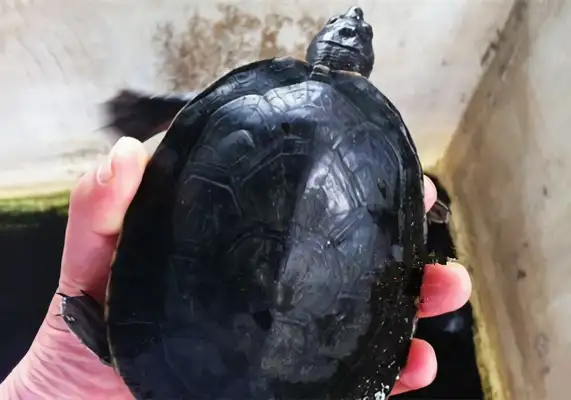
The Mesoamerican turtle is a predatory tortoise, and if it is difficult to provide food in a wild environment, it can also try to feed it. For Mesoamerican tortoises, it is easy to adapt to human rearing, but it is larger in size and therefore requires much food.
Central American turtles are predators, feeding algae and aquatic plants, and also eating insects, snails, worms, small fish, crustaceans and amphibians. It's a remarkable night turtle, unlike the other turtles it belongs to. One of the favorite foods is fish and corn. When raising households, to satisfy the nutrients needed for the growth of the Central American turtles and to avoid malnutrition or anorexia caused by a single feed, mixed feeding should be used for a variety of feeds, such as small fish, shrimp, insects, earthworms, etc. in animal feed and paddy, wheat, maize, soybean, etc. in plant feed. For Mesoamerican sea turtles to fully digest feed feed, before feeding, feed such as maize and soybeans will have to be crushed and immersed for about two hours before feeding, and other big feed will have to be cut before feeding. Attention should also be paid to feeding of different nutrients during different periods of growth and development of the Central American turtles, depending on their nutritional needs.
Lower temperatures in spring and autumn, and the Central American turtles tend to be inactive sooner or later, mostly at 11-13 p.m. for food, so it is appropriate to drop feed at 11-13 p.m. From rain to autumn is a hot season for Central American sea turtles, which in the summer season are generally inactive at noon, mostly at 17-19 p.m. for food, so it would be useful to throw feed at 17-19 p.m. Time-bound feeding of Central American river turtles can be achieved on time, with more nutrition, and can also ensure fresh feed.