Hamsters, for example, are often referred to as hamsters because of their preference for “silent silk” - food storage. Hamster activity, sensitive behavior, small shapes are now appreciated by many children and women. It is easy to breed, and its human properties make it one of the most popular small pets today. There will always be problems with raising a small life, one of which is the problem of the hamster. So, hamster, what do we do? Does it heal?
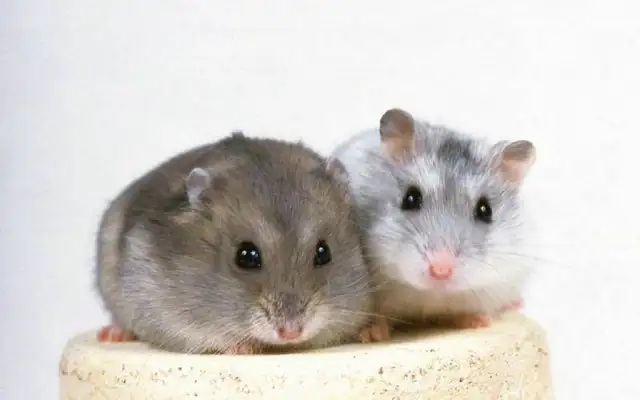
Hamsters are self-rehabilitating, and hamsters are not as weak as they are. hamsters are rare at two levels: one is a more serious gastrointestinal problem; (a) A temporary physical condition (possibly frightened) which requires more attention to the dietary aspects of hamsters, and more nutritionally balanced and digestive foods, preferably protein-containing (which can be fed with peanuts, with soft water); In the case of the latter factor, the master must be careful, the hamster has little guts, has no strong tolerance for changes in the outside world, and the breeders must play with it.

The hamster's normal defecation is hard black defecation. If the pressure flattens, it's soft shit, it's a problem at the worst.
First scenario: wet tail. Hamsters with wet tails act lazy, have no appetite, and are completely unsettled with their own hygiene. Diarrhea with wet tails is a serious problem, with all the hair entangled in their anus and tail parts. Serious times even blood. This situation requires the rapid isolation of sick rats and hamsters from all substances exposed to them.

Second scenario: stressful diarrhoea. It's usually scary. Hamsters arrive at a new home, they don't quickly adapt to the new environment, and they're very volatile. There is also the possibility of eating cold melons, wild grass, etc. This situation suggests conservative treatment. That means don't rush medicine. Hamster cages can be placed in a cool and quiet place, with a little glucose or saline. It is also possible to feed some of the fungus specifically for cats.