A guide to dog health: the key to caring for the oral health and well-being of pets
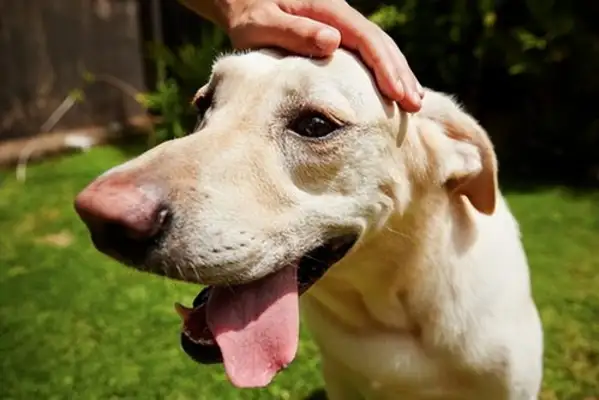
In the world of pet care, oral health is often underestimated, but it is an important indicator of the overall health of dogs. As a “window” for pet mouths, tongues not only reflect the daily state of the pets but also reveal hidden health risks. Understanding the normal state and unusual performance of the tongue helps to detect problems as quickly as possible and to take effective measures to ensure that dogs grow happy and healthy. 1. The role of tongue in dog health
The tongue is not only an organ of a dog licking and licking, but is also an important component of regulating body temperature, eating food, sensory and cleaning mouths. Its colour, texture, moisture and appearance changes are important clues to the health of the pet. For example, a healthy dog's tongue should be pink, wet and smooth, with no odor or abnormal deposition. Common problems with the tongue and expression 1. Chrysotile or white: may indicate anaemia, oxygen deficiency or poor blood circulation. Red or dark red: Warning of oral inflammation, infection or dental disease. Purple or blue: Description of oxygen deficiency or blood circulation disorder. 2. The drying or cracking of the tongue may lead to the drying of the mouth as a result of dehydration, oral disease or the side effects of certain medicines. Fragments may reflect vitamin deficiency or self-immunizing diseases. 3. Unusual sediments or alien odors, tooth stones or oral infections are often associated with alien aroma. The accumulation of food residues and bacteria may lead to the breeding of bacteria. 4. Inactivity or abnormal licking of the tongue may be pain, neurological damage or oral ulcer. Integrated response: Regular observation and documentation of dog tongue colours, humidity, cracks or abnormal deposition from observed treatment 1. Future veterinary diagnostics will help to document changes. 2. Maintenance of mouth-cleaning teeth: at least three times a week using pet toothbrushes and toothpaste to prevent toothbrush and bacterial reproduction. Oral rinsing: Physical salt water or oral spray recommended by the veterinarian may occasionally be used to help clear oral impurities. Healthy diet: provision of good-quality dry and wet foods for dogs and promotion of the health of teeth and tongues. 3. Periodic dental examinations for the prevention of oral diseases: professional oral examinations with pets every six months or year. Tooth-washing and tooth-cutting: timely removal of toothpaste, toothstone and reduction of the source of infection. 4. Vitamins, minerals and appropriate supplements in an enhanced immune diet. Maintain a good living environment and avoid dampness and chaos. 5. Timely treatment of unusual changes such as detection of tectonic variations, cracks, odors or abnormal depositions, without delay, and prompt medical treatment. The vet arranges antibiotics or anti-inflammatory drugs for inflammation or infection. 6. Specialized treatment of oral ulcers or pain in special circumstances: Veterinary doctors can treat the pain with local medication. (c) Continuing problems: repeated haemorrhages, oral deformations should be checked promptly for tumors or structural damage. IV. Care skills in everyday life develop good habits: oral hygiene habits from childhood to future problems. Provision of gum bites or grinding toys: Helping to naturally clean up residues on teeth and tongues. Pay attention to the health of drinking water: ensure that pets have clean and fresh drinking water at all times and that they remain humid. Prevention first, health begins with “tongue”.
The pets are not only feeding and games, but also details, such as oral health, a “neglected corner”. Prevention is far better than treatment, and the development of regular check-ups and good hygiene habits is the guarantee of a healthy and happy life for dogs.
In conclusion, attention to the state of the dog ' s tongue is concerned with its overall health. As long as you continue to observe, care in a timely manner, prevention in science, the problem of the dog's mouth can be minimized, and its bright smile becomes even more touching.