What is it? Beware of the danger of dehydration — a complete response
The occasional denial of access to water in the context of reptile farming, the chronic reluctance to enter water or the inability to obtain sufficient moisture from everyday sources, are highly susceptible to dehydration. Dehydration not only inflicts pain on animals such as tortoises, but also leads to reduced kidney function, metabolic disorders and even life risk. Here's the focus of the content, the cause, the symptoms, the operational response, to help you manage the situation.
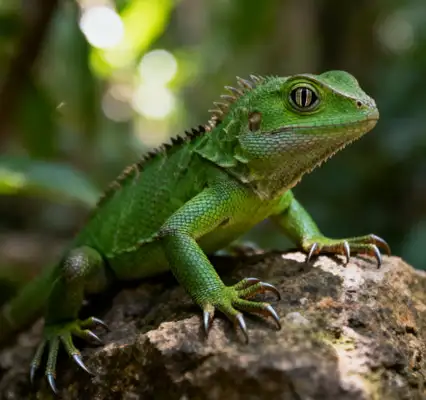
Content-focused dehydration consequences: effects on digestion and metabolism, effects on skin skins, reduction of immunity, internal pressure and abnormal kidney function, threatening life in serious cases. Trigger factors: low environmental humidity, poor access to drinking water, changes in drinking water habits, denial of water due to disease or pain, drinking water temperature and contamination of water sources. Key findings: Not only is water available, but also signals such as changes in body weight, level of energy, moisture of skin mucous membranes, visible dents in eye densities and reduced skin elasticity. The principle of response: to determine as soon as possible the degree of urgency, to provide accessible water and water recharge, to optimize the environment and, if necessary, to seek medical treatment. Recording and monitoring are cornerstones of long-term prevention.
Reason analysis (common triggers) has limited access to drinking water: excessive water basins, water temperature mismatches within basins, container contamination, or the effect of alkaline substances, leading to denial of drinking. Imbalances in environmental humidity and temperature: Dry environment, extreme fluctuations in temperature in breeding areas, accelerated water evaporation but delayed animal intake. Behavioural and disease factors: changing cages, transportation, stress surges; respiratory infections, oral diseases, dental problems, digestive disorders, etc., can make animals reactive to water sources. Species differences and individual differences: tropical, subtropical varieties prefer high-humid environments; turtles and turtles often require water bathing aided water; some lizards are more sensitive to dripping.
Symptoms and risk classes (concrete classification) are light (early): slightly slow activity, increased sense of mouth mucous drying and reduced drinking water. A slight loss of weight or flatness. Medium: A slight dimness in the eye, a decrease in skin elasticity, skin loss abnormalities, effects on defecation and diet, and deeper urine colours. Heavy: Obvious dehydration signs, such as the visible fall of the eyeball, dry and dense mucous membranes, continued denial of water, rapid loss of weight, severe mental atrophy, require immediate medical attention.
Phase I of a complete set of responses (phased): rapid assessment and initial intervention observations and records: weight, diet, activity level, continued water denial, environmental humidity and water availability. Optimization of water sources: ensure fresh, non-polluted water sources, use chlorine-free or dechlorinated water, clean water basins, regularly replaced. Provide accessible water access: set up multi-point water sources (a permanent water basin, a drip or aerosol) to prevent animals from missing water sources due to mobility difficulties. Temperature control and humidity: adjust the temperature differential between the gasking/basking temperature zone and the cold zone, and monitor it using a wetometer; wetten the dry varieties, but avoid allergy leading to fungus and disease.
Phase II: Daily care and environmental adjustment of baths and drip/dip water support: Short-term hot baths (at a temperature close to body temperature of 10-20 minutes) for animals with water stressors and slight signs to facilitate the water intake of skin and mucous membranes; some lizards and snakes may be considered for drip feeding or microdiplomatic water for drinking, but to ensure safety and avoid suffocation or misuse. Oral rehydration programme: When recommended by a veterinarian, no self-injecting or overdose of oral rehydration, using a dedicated reptile rehydration fluid, given by label or veterinary prescription. If specialized liquids are not available, domestic alternatives can be used under veterinary guidance, with great care for dose and applicability. Drinking water inducement strategies: drop a few drops of hot water on the water surface to the end of the nose, or touch lightly at the edge of the water basin to create a scene of “dip-diping”; some animals prefer microdip. Drinking water records: Drinking water volume and body weight changes are recorded daily for 1-2 weeks, trends are observed and strategies are adapted to environmental parameters.
Phase III: Targeted treatment and when to visit the hospital: as soon as possible, in cases of continued denial of water for a period of 3-5 days, marked loss of body weight, low mental state, drying of oral mucous membranes, falling eyes, difficulty of breathing, etc. Medical diagnosis and disposal: Veterinaries may conduct mucous wetting assessments, weight monitoring, blood testing, X-rays, etc. to determine dehydration, kidney function, infection or other diseases. Treatment direction: includes intravenous or muscular rehydration, oral rehydration, drug treatment for targeted diseases, adjustment of drinking water and nutritional intake, and subsequent environmental and care programmes.
Specific recommendations for different creeping turtles/water turtles: Water baths are often supported by water recharge, with bathing depths appropriate for shell edges and water temperature between 25 and 32°C for 10 to 20 minutes and 1-2 times a day. Water sources must be clean, and water levels must not cover noses. Humidity should be adapted to the climate to help skinning. Lizards (e.g. geckos, iguanas, iguanas, etc.): frequent spray/drop help with drinking water, provision of multiple drops of water, maintenance of local wet seasons for water absorption. The humidity of the rearing box needs to be designed in conjunction with the height of the habitat and the temperature zone in order to avoid a skin infection caused by static water surges. Snakes: Some are sensitive to water sources and avoid forced feeding. Depending on safety, their drinking water behaviour can be observed in a clean water basin, with short-term warm bathing when necessary, but to prevent snakes from falling or suffocating in the water.
Regular weight and state records for monitoring and long-term prevention: weighing at the same time per week, recording trends and timely detection of abnormal fluctuations. Environmental Optimization: Maintaining stable humidity, avoiding sudden environmental changes, ensuring clean water sources, regular cleaning and disinfection of tanks. Drinking water habits: as the state improves, it gradually returns to normal drinking water patterns and avoids the immediate imposition of “cut water” to avoid new stress. Health check-ups: Health check-ups are carried out regularly with reptiles to remove the impact of potential diseases on drinking water capacity.
It is no small matter to sum up the reptiles and the risks of dehydration require early identification and intervention. The incidence of complications can be reduced through rapid assessment, environmental optimization, water guidance, stage care and, where necessary, specialized medical care, which can help reptiles return to normal moisture. If you are in doubt during your application or if your animal state continues to deteriorate, you can quickly contact an experienced reptile veterinarian to develop individualized care programmes. May your reptile enjoy every day with health and joy.