No.: PET2348
English name: Litoria emergingii
Origin: Australia
Vulnerability to disease: aqueous disease
Lives: 3-5-year profile of palm frog species
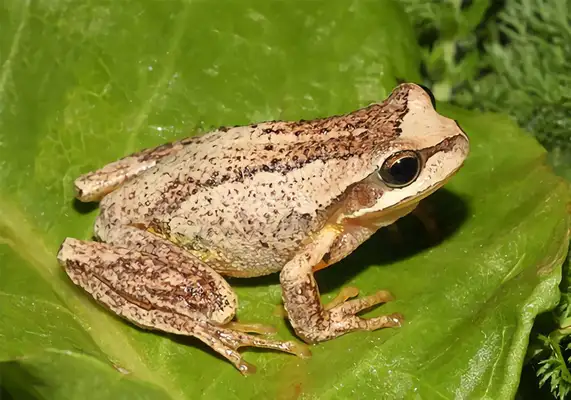
Brown frogs are small-scale rainfrogs, which are more common in south-east Australia, and are therefore non-threatening species. In general, the size of a brown frog is around 35 mm, and part of it can grow to more than 40 mm, although not many brown frogs are older than 40 mm. With the introduction of brown-tree frogs in New Zealand, people can see them in New Zealand in addition to Australia.
Brown frogs are highly resilient and can survive well in areas such as plains, mountains, forests, and even in semi-arid areas, their presence has been observed. Unlike some other frogs, brown frogs can reproduce throughout the year, but summer is the peak of reproduction, especially after the rain, when there are so many brown frogs who lay eggs that they are extremely vulnerable to detection.
Chinese literary name: Brown Frog
Two words: Litoria emergingii
Context: Animals
Gate: Pipeline gate
Amen: vertebrate Amen.
Programme: amphibious programmes
ANALYSIS: SLUE ASPECTS
Objective: No tails.
AA: New Toad
Section: Toad Section
Aako: Ako, Australia
It's a rain-fed frog.
Castes: characteristics of brown frog shapes
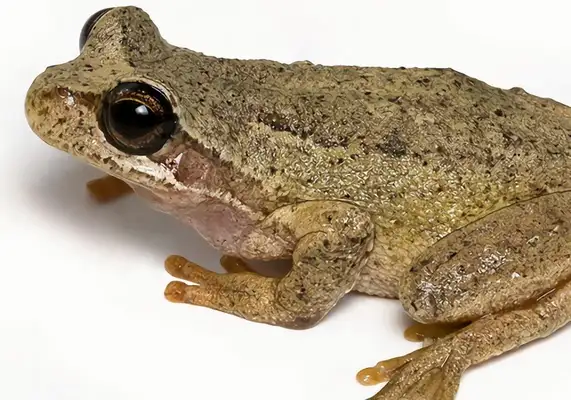
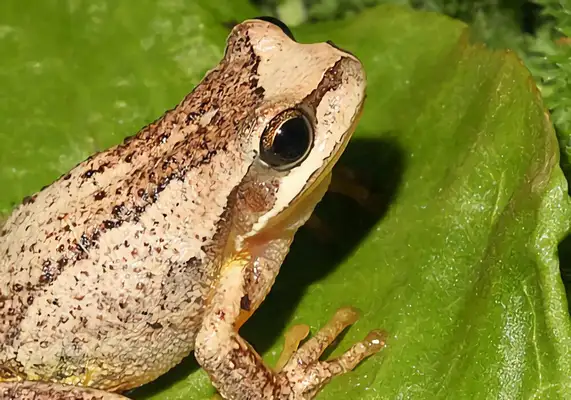
The morphological characteristics of brown frogs are clear, so they can easily be distinguished from other frogs. Many may think that the brown frog should be green, but that is not the case. Most of the brown frogs are brown, and the different individuals have a dark color, but the same thing is that they all have two black tattoos, one from the back of their eyes to the back, a band or stripe of black spots, while the other starts with their nostrils, then goes to the eye, and extends all the way to the shoulder.
A detailed morphological description of a brown frog.
Head: Medium size.
Eyes: Big.
Front limbs: Shorter.
Back limbs: Long and thick, red on the back of the thigh.
Abdominal: cream.
Hue: Brown. Some individuals are partially greened.
Length: around 35 mm. Individuals over 40 mm belong to the larger group of frogs.
Brown frogs do not have a fixed reproductive period, with reproductive behaviour occurring throughout the year and on a large scale between December and February (summer in the southern hemisphere). In addition to this, male palm frogs make a special noise throughout the year, like whistles, which you never forget once. At present, no sign of brown frogs has been found in the northern hemisphere, and even in the southern hemisphere they can be seen only in Australia and New Zealand. Brown frog nursing knowledge
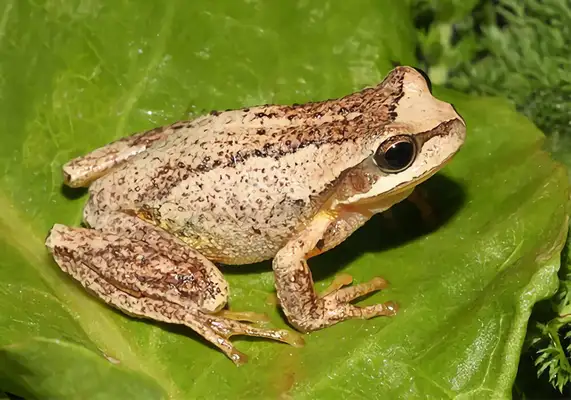
Unlike some coloured frogs, brown frogs tend to remain brown, and only some individuals in a given area become green, and not all brown frogs that change colour are completely green, but many are just part of the body that turns green. So when raising brown-tree frogs, the feeders do not think that they won't change color, and do not think that they have abnormalities, or that they have problems because their bodies are partially green.
A brown frog is an animal that is growing throughout the year, so it is possible for a feeder to see frog eggs at all times. During the spring, autumn and winter seasons, a small number of brown frogs lay their eggs. In summer, when brown frogs peak in reproduction, their reproductive behaviour is more pronounced, with many frog eggs found in grass, etc. Male frogs, of course, will not be idle, and they will be whistling around water sources to attract the attention of female frogs.
Before raising a brown frog, the feeder first has to consider whether his actual condition is suitable for raising such a frog. The main questions you want to ask are whether the four-quarters of a year's call by a brown frog can affect your life, whether they need enough space activity, if you have a source of food, if you have to clean a frog's cask and other things that are not so simple. If it is determined that it can raise brown frogs, then consider how to obtain them.
Generally speaking, whatever animal is raised, it is necessary to prepare the feeder before raising the animal, to maintain it, etc. In case of any problems, the feeder must also respond in a timely manner to prevent unforeseen situations, etc. Brown Frog Living Environment
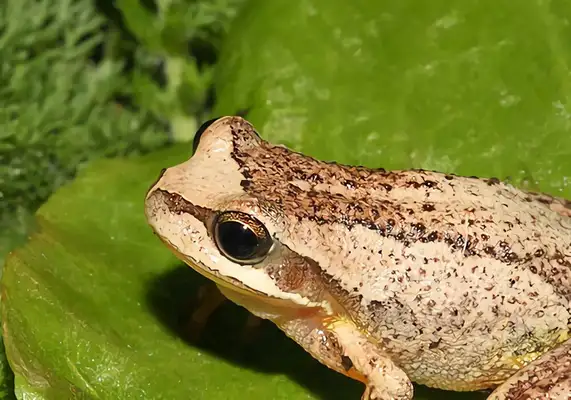
Compared to many other frogs, brown frogs are highly adaptable frogs, and even though they are now found only in Australia and New Zealand in the southern hemisphere, they can live in various places in the natural environment, with their places of refuge on forests, grasslands and even mountains. Thus, when setting up the environment for brown frogs, feeders may not be too worried about the impact of the environment on their lives.
Of course, it is not that they are more resilient than they need to be equipped with frogts, and they can live better in the right conditions. First of all, the feeder needs to pay attention to the problem of setting up palm frog waters. While brown frogs can survive even in semi-arid areas, the installation of waters is essential if they are to grow healthy. You can make a pond for a brown frog at the bottom of a trough, where the water is replaced in time to keep it fresh.
Secondly, plant setting is one of the things the feeder has to do. Plants also make climbing possible while providing a refuge for brown frogs. When the plant in the frog tank dies, the feeder must also be cleaned up and replaced with new plants. But since raising plants is not easy, feeders can also substitute plants by considering whether there are substitutes.
In addition, the feeder has to pay attention to the selection of bottoms. In general, the closer to the animal ' s original ecological environment, the closer it is to a frog ' s cask, but the brown frog lives in the soil in its natural state. If the soil is used as the base for setting the environment, conservation is more difficult, as excreta and urine are more difficult to clean in the soil, so it is preferable for the feeder not to use the soil as the base. Brown Frog Feeding Requirements
Brown frogs have plenty of food in the natural environment, and as long as they fly through their eyes, they will never be spared. In the state of artificial breeding, since the feeder may not be able to raise some living food (e.g., small insects), he can only feed them special frog foods, but long-term only frog food is not particularly good for brown frogs, who, subject to the conditions allowed, must eat some living food.
There are many feeders who themselves catch insects and make food for brown frogs, but given the limited number of insects they catch and the likelihood that they may not even be able to catch the right insects, it seems so remote to have a natural dinner for brown frogs.
In such cases, some feeders try to eat bread worms for frogs. Bread worms have a high protein content and are easy to feed, so they can be supplied on a regular basis. In the case of some other frogs who also eat bread worms, the feeders begin to feed bread worms. However, the skin of bread bugs is difficult to digest, so it is suggested that the feeder chooses to feed the frogs with fresh skins and does not feed the frogs for long periods.
In addition, there are feeders who, before feeding the frogs, glue nutrients on living foods, etc. It is important to note that, like other animals, the nutritional demand of frogs is limited, and if oversupply does not benefit them, it may lead to other problems etc.