Designation: PET3787
English name: SiameseTigerfish
Origin: Thailand
Vulnerability to diseases: fish plague, white cloud disease, skin disease, rotting tail disease, etc.
Life: 4-5 years of a Thai tiger species profile
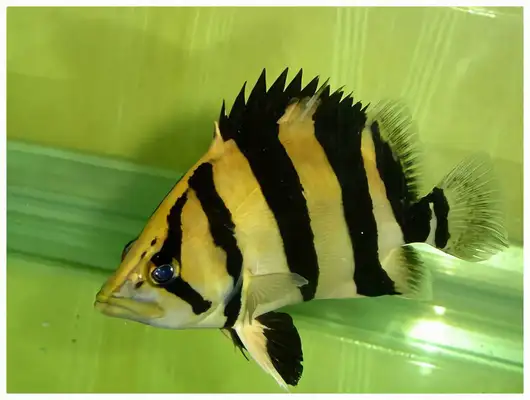
The Thai tiger is a food fish of Thai origin and is also a very valuable fish. However, due to its appearance and special grafts, in recent years it has become a very popular species of fish. Most of the Thai tigers seen in the domestic fish market are transiting through Singapore.
Chinese literary name: Thai Tiger
Latin name: SiameseTigerfish
Not to mention: the three tigers, the Nantos fish, the finely decorated pines.
Context: Animals
C: Sonsonian
Distribution area: streams and rivers in Thailand, Borneo, Sumatra also have the characteristics of the Thai tiger.
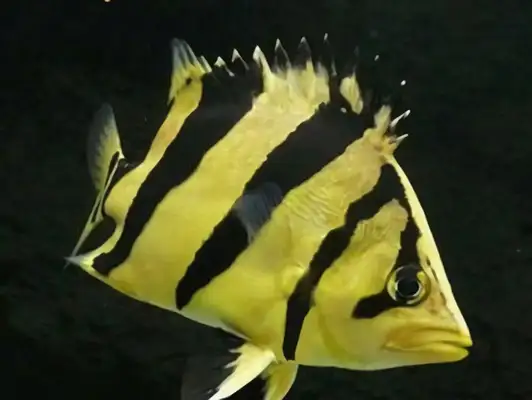
Although the name of the Thai tiger sounds very violent, it is in fact very mild and can become very violent when it comes to capturing live bait. The Thai tigers were difficult to choose when they were young, and it was not clear that the fish friends of this species would be easily qualified.
The basic colour of young Thai tigers is white with black stripes. When you reach adulthood, white becomes yellow. Form a tiger like a twilight. It's a popular fish viewer. The three yellow bars on the market are the best of tigers, because they are expensive! So choose as many as possible. When selecting, care should be taken to select the sharp ones, the Thai tiger's mouths must be aligned and, above all, not to choose the lower fork.
The Thai tiger's back fin is its charm, and round like a piece of meat travels through a fish tank. There's a problem with Thai tigers who are afraid of sex, especially around 10CM, hiding around the corner of the tank or filtering. No visuality. It's hard to stabilize because the fish is too timid, and I've seen a foster parent in other forums who says he's had four years to stabilize the fish before he can swim out! So most Thai tigers grow up to come out and swim, so the people who raise it have to be psychologically prepared and have little respect. It's all because it's too sensitive to the environment. Thai Tiger Feeding Environment
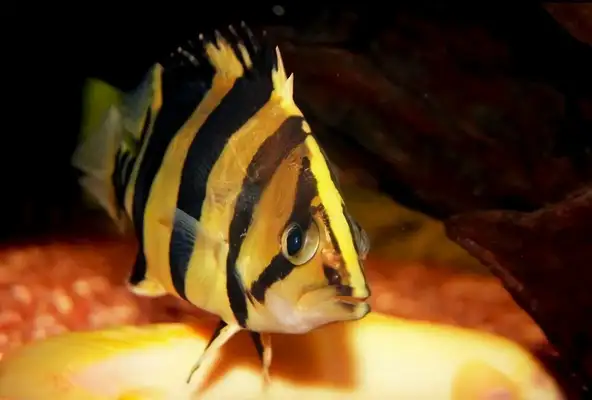
The size of the Thai tiger can also be larger, so it is used for food in the country of origin, but it is now a more popular fish viewer, so how should a healthy Thai tiger be raised? What are the environmental aspects of rearing that require attention?
The Thai tiger is a health indicator. When their color is faded or darkened, it means that their emotions are not or their health is in question. Thai tigers need soft water of a weak acid to neutral, as well as some low salinity. Water needs salt. And there is a need for a place where water is rich, rocky, rocky. You can set up some bottomless flower basins to simulate caves. They are home to caves and they like to roll in them. They're so cute.
Medium water with low salinity and larger current speed. Due to the size of the Thai tiger and the difficulty of identifying females and males, aquarium reproduction is almost impossible. Thai Tiger Feeding Points
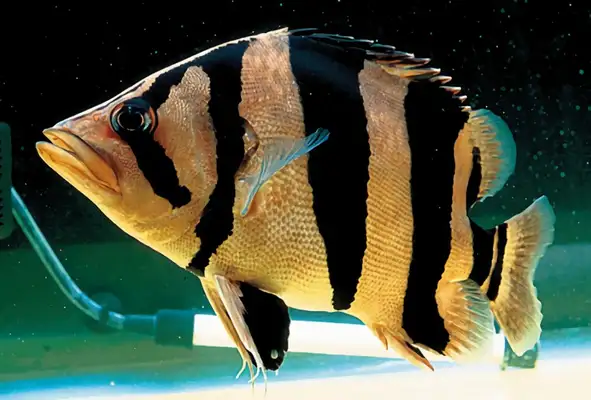
Thai tigers are more moderate in character and are very fierce when hunting live bait. Attention should be drawn to the need to decontaminate the bait when feeding live bait to Thai tigers so as not to cause Thai tigers to become ill as a result of water quality effects.
Thai tigers are meat-eating fish, and eat live baits, such as muds and goldfish. Frozen fish shrimp can also be fed after a period of training. The growth rate can be somewhat more difficult than other large fish (which cannot be compared to map dragons). Thai tigers need large meat baits, preferably small fish. Thai tigers can adapt to some artificial feeds, such as beef, bread worms, insects, fish chips, burgers, etc., such as when feeding live food, recommend a pre-cleaning check to see if the feed is dyeed. Riverfish: For example, catfish, carp, grassfish, should be scavengered, pelvis removed, and used by salt water disinfectors.