Fake death behaviour of a pig's nose: normal or sick? A complete response by a petist.
It is not uncommon for the introduction to be “false death” in the day-to-day life of a pet snake (i.e., thanatosis, a short-term “play dead” or a state of extreme silence). Whether it is a normal self-protection response or a manifestation of disease, pain or severe stress, it needs to be judged in conjunction with length of time, environmental factors and accompanying signs. The following is a scientific overview of causes, identification points and a complete set of responses to help you take care of pigs and snakes more easily.
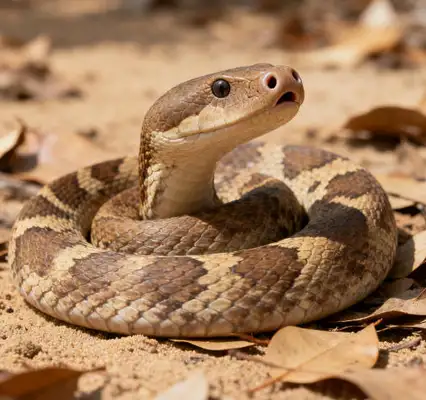
First, two possible normal/extremely false deaths: in situations of intense irritation, portering, unfamiliar environments, sudden light and sound, snakes are temporarily held back in order to reduce risk, pending the gradual resumption of activity after the stimulation has receded. This situation is usually brief (in a few minutes) and reacts with slight irritation. Illness or painful false death: if the condition lasts longer (over a few hours or even a day), accompanied by respiratory abnormalities, dimness in the eyes, mouth-earthed secretions, changes in skin colours, loss of weight, denial of diet, dehuming anomalies, etc., often points to health problems, requiring screening for parasitics, respiratory infections, dehydration, heart and lung problems, digestive disorders, poisoning, etc.
II. How to distinguish between response (identify points) and duration: normal stress usually recovers in a short period of time, with a slight reaction to the stimulus; anomalies last longer and do not respond to slight stimulation. Respiratory and blood circulation signals: even breathing at normal times, slight abdomen rise and fall; if breathing is fast, tremors, genres in the mouth and nose, indicative oscillations, etc., need to be alert to disease. Appearance signs: the brightness of the eyes, the normal closing of the eyelids, the integrity of the scales and even skin colours are of concern. Eating and body weight: High attention is required in cases of recent dehydration, denial of food, loss of weight or signs of pain in the mouth and throat. The hulling period and the physiology stage: snakes may be more susceptible to short-term sexual sedentary behaviour, which is a physiological phenomenon, at the skinning stage, during reproduction or after the skinning has just been completed.
iii. Environmental pressures (in directions requiring screening) for common causes of false death: temperature, humidity, strong light, noise, frequent movement, unfamiliar environments, co-habitation with other pets, etc. Inappropriate humidity: Snakes are sensitive to heat gradients and are prone to stress or disease when temperatures are too high or too low, wet to dry or overwet. Dietary and metabolic problems: irregular feeding, poor food choices, indigestion, dehydration, etc. Health problems: respiratory infections, parasites, digestive diseases, cardiovascular and pulmonary diseases, painful diseases, dehuming anomalies, trauma, etc. Drugs and poisoning: Improper exposure of household goods, misuse of toxic substances, etc.
A complete response (step-by-step, easy to implement) 1) First-time judgement and safety remain calm, ensuring that the environment in which the snakes are located is quiet, safe and free of light. Do not force a flip or carry snakes with violence in order to provoke anger or increase harm.
2) Initial self-examination (other than veterinary diagnosis) observes and records: time, temperature in the environment, difficulty in breathing, response to slight contact, state of eyes and scales, availability of saliva, secretions and physical changes. Slightly touch contrasting reactions: touch lightly with your finger on your body to see if there is a small muscle constriction, reflection or movement. If there is no reaction at all and the breathing is abnormal, the consultation must take place as soon as possible.
3) Environmental optimization (a step of immediate adjustment) temperature gradient: Ensure clear tropical regions (basking) and cool locations to avoid overall high or low temperatures in the environment. The reference experience is to provide snakes with two segments of temperature: a relatively warm hot spot (approximately between 25 and 32°C, depending on the species), a cooler position to regulate the snake itself. Humidity and hideout: provide a strong shelter, maintain a moderate humidity and avoid direct sunlight and strong light exposure. Silence and stability: reduce night feeding, relocation and other incentives, and maintain a regular and stable environment.
Drinking water and nutrition ensure that water sources are sufficient and readily drinkable, and that water basins are solid and easy to reach. For the time being, forced feeding is avoided, snakes are provided with adequate rest and water supply, and feeding is considered after a marked improvement in their state.
5) Daily records of monitoring and documentation (key links, easy communication during consultations): body weight, body, tablet status, eye look, frequency of breathing, activity level, recent environmental changes, feeding. Length of observation: Veterinary doctors are contacted immediately if there is no significant improvement over 24-48 hours, or if there are persistent respiratory difficulties, persistent non-responses, colour changes, etc.
6) Timing of visits and preparation of visits at an early stage: If a disease is suspected (respiration abnormality, nose and nose secretion, apparent dehydration, continued food deprivation, weight loss, skin loss abnormality). Pre-care preparation: Carrying the most recent feeding records, skin skinning, environmental parameters, exposure to toxic substances, any signs of trauma, recent transport to the new environment, etc. Provide veterinary doctors with as detailed information as possible to facilitate rapid diagnosis.
7) Description of points of communication with veterinarians: length of false death, response, breathing, excretion, recent feeding, dehumous state, changes in the temperature of the environment. Data provided: changes in body weight, recent drug use, history of handling, exposure to possible sources of poisoning. Diagnosis and treatment: Listen to specific veterinary examinations and treatment programmes and do not use drugs or prescriptions.
8. Prevention and day-to-day management (long-term strategy) stability: maintaining stability of temperature, humidity and light and avoiding sudden environmental changes. Mitigating stress: reduce unnecessary handling, isolate new pets and, if necessary, establish separate habitat. Periodic medical check-ups: medical check-ups and weight surveillance are arranged at the stage of the snake ' s growth and early detection of problems. Decryption care: provide moderate humidity and coverage before and after skin loss to help smooth skin skinning. Eating patterns: Appropriate feeding frequency and food type according to variety, age and weight to avoid over-feeding or chronic hunger. Qarantining new pets: newly introduced animals are isolated for at least two to four weeks to observe health and then mix. (c) Family safety: avoid the interference of children or pets in the habitat of snakes and prevent unnecessary disturbance.
5. Practical warning against self-injecting drugs and the ingestion of unknown liquids or drugs by snakes. Snakes are highly sensitive to drugs, and false treatment can exacerbate the condition. Hypocrisy is not a permanent “fix” and, if it is a short-lived stress, its adjusted shape and vitality will recover. However, if it lasts longer and the symptoms are accompanied by other abnormalities, it is essential to have access to the clinic.
Summarizing the false death of a pig's nose can be either normal stress or a disease signal. The point is to observe the length of time, whether it is accompanied by breathing and other physical anomalies, and whether the environment is stable. In the event of a false death from a suspected disease, the first time, subject to the stabilization of the environment and the reduction of irritation, visits are made as soon as possible, in cooperation with veterinary examinations and treatment. Through scientific environmental management, regular feeding and regular health monitoring, the probability of such occurrences can be significantly reduced, allowing for a healthy and secure life for your pet snake.