In recent days, journalists at a pet hospital at the Nanjing Taimena Gate have seen a visible poster on the window along the street: “Newborn — cloned pets, let them accompany you to the future, not just to say”.
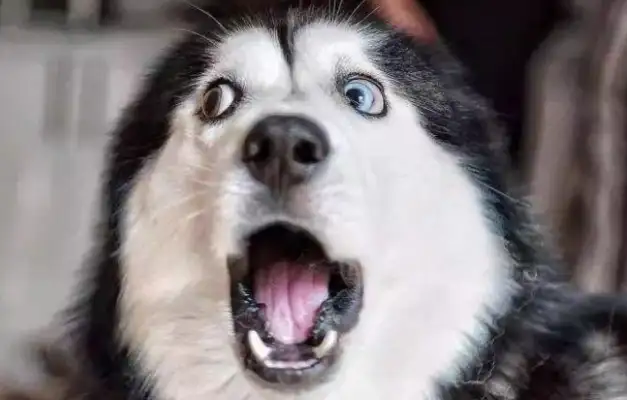
According to the staff member, a large number of people came to consult, mainly family dogs, who were old or seriously ill and the owner was unable to leave and wanted an identical dog. The pet hospital in Nanjing mainly provides services such as genetic gathering and subsequent cloning techniques are operated by a Beijing company.
Journalists had learned that the cost of cloning a dog amounted to $380,000 and that high prices were prohibitive to many, but not to many. There are currently five clients in Nanjing who are carrying out genetic collection and preservation for dogs of love. Genetic capture is not too expensive to keep for years and can be used again if needed.
Can you "same" for a new generation?
Animal cloning is not new. As early as 1996, the first cloned animal in the world, Dolly, was born, and soon, cloned animals, including rats, cattle, pigs and rabbits, were created by scientists.
Body cells clone monkeys
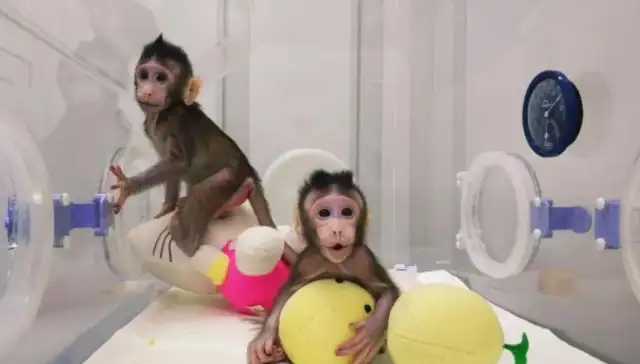
Professor Li Zhuang, Professor of Animal Technology, Nanjing University of Agriculture, said that there were no technical barriers to the cloning of pets, that cloning was merely a reproduction, and that genetic editing techniques were required if dog cloning was to be healthy, and body cell cloning was more expensive. The cloned newborn pets, on the other hand, are affected by the appearance of genetics, not necessarily identical to the original pets.
Professor Li said that, while the techniques of cloning animals were mature, their application to different animals, including appearance and habits, could be very different and difficult. In addition, it is highly controversial that cloning a dog takes at least eight months and that, in addition to technical expertise, multiple dogs are required to collect eggs and surrogate, threatening the rights of animals.
Unlike human cloning, which was strictly prohibited, there was no clear national regulation of pet cloning, which had opened up the pace of commercialization and remained unregulated.