Designation: PET4753
English name: Aequidens pulcher
Origin: Trinidad and Tobago, Guyana, Brazil, Uruguay, Northern Venezuela, South America
Vulnerability to diseases: albino disease, rotting tail disease
Life: 3-5-year profile of sapphire species
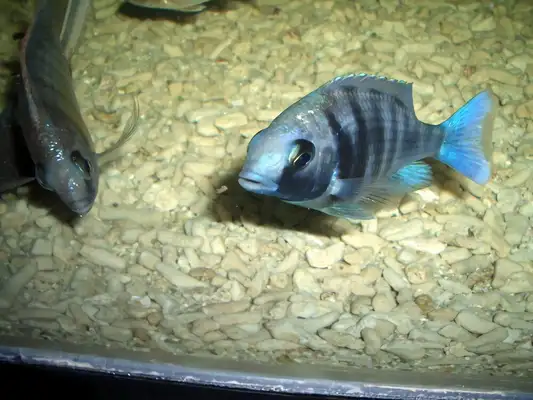
Sapphire fish are mild, but they are violent during reproduction and have territorial beliefs during reproduction. The sapphire and the practice of excavating sands, which are not warm and quiet during reproduction, can be combined with other observed fish.
Region: Trinidad and Tobago, Guyana, Brazil, Uruguay, Northern Venezuela, South America
Gate: Spinal gate
Chinese literary name: Sapphire Fish
Section: Tzu Chi
Latin name: Aequidens pulcher
Context: Animals
Don't call it a blue jade, a blue phoenix, a blue mouth hatch.
Amen: vertebrate sapphire
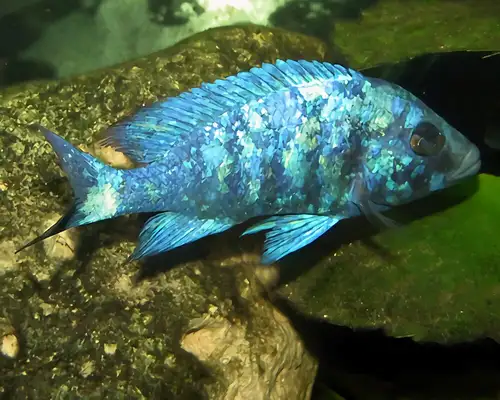
Sapphire fish can grow up to 12-15 centimetres long, and when sapphire fish are luminous in light, especially when their head is like a sapphire in sunlight, they are named sapphire fish.
Sapphire fish are hammered, flattened, tailed, straight behind. Long head, light gray blue, slightly yellow on the side, slightly blue yellow on the abdomen, young fish with cross-blank stripes, full of fine, small blue spots when mature, especially their heads, flashing bright and beautiful in light. It is not difficult to distinguish males, with long back fins, long hip fins, end pointers and abdomen swelling when females mature. Sapphire fish breeding environment
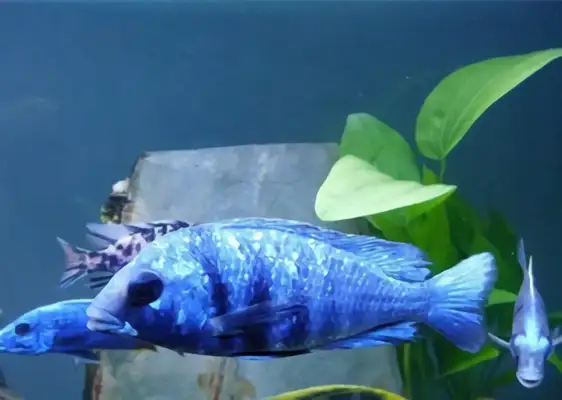
Sapphire fish are easier to raise, and because of their strong health, they are less demanding for water quality and prefer less acidic or neutral water quality. The recommended water temperature is 20-28°C and grows better at 25-27°C.
Sapphire fish are easier to raise and are less demanding for water temperature and quality. There are significant differences between females and males, with males coloring and females light. Reproduction of water temperature 27-28°C. During reproduction, sand shall be laid in the breeding box and made of tiles. Sapphire.
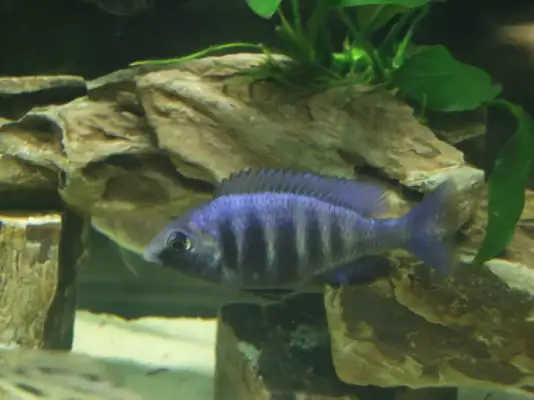
Sapphire fish are groceries, and they prefer animal feed during their daily feeding. Of course, many fish friends want to breed sapphire fish themselves, and in the process, the sapphire feed is different from the daily feeding.
Sapphire fish during the breeding period are also concerned with the nutritional balance of feed, and cannot feed single animal baits, which can easily cause sapphire. Sapphire fish hatched in two to three days, and the juvenile fish remained in the mouth of the fish, about seven days later swimming out of the mouth of the fish.