No.: PET1063
National origin: China
Vulnerability to diseases: albino disease, rotting tail disease
Life: 4-5-year brief on goldfish species
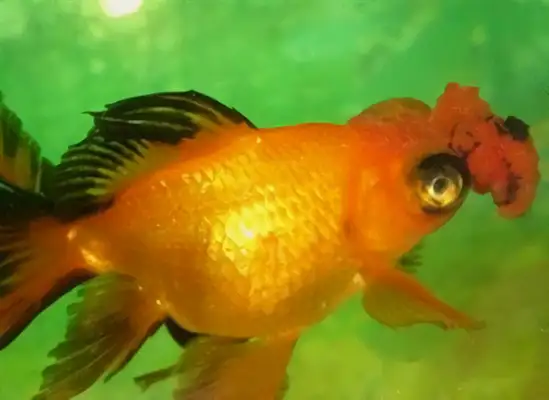
Iron ball of goldfish is a species of goldfish, so it has the same habits as goldfish. The colour of the goldfish ball is caused by a mutation of colour during the colour change, which makes it very difficult to stabilize.
Chinese name: Iron bag goldfish ball
Reproduction: Eggs
Climate zone: temperate zone, cold zone
Area: weaknesses
difficulty of raising: easy
Water temperature: 10-30°C
Hardness: Solid, low iron-packed goldfish ball shape characteristics
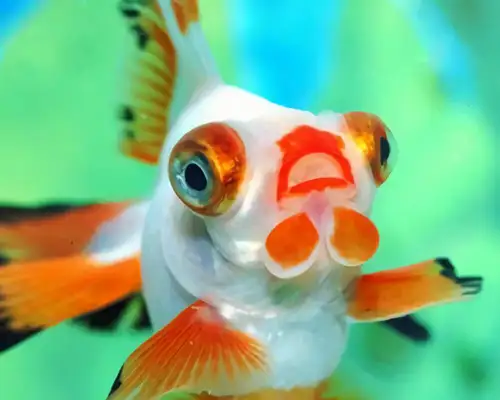
Iron-packed goldfish balls are more or less the same as goldfish, but iron-packed goldfish balls are of very special colours, and there is currently no requirement for directed breeding, since the colour of steel-packed goldfish balls is caused by a mutation of colour.
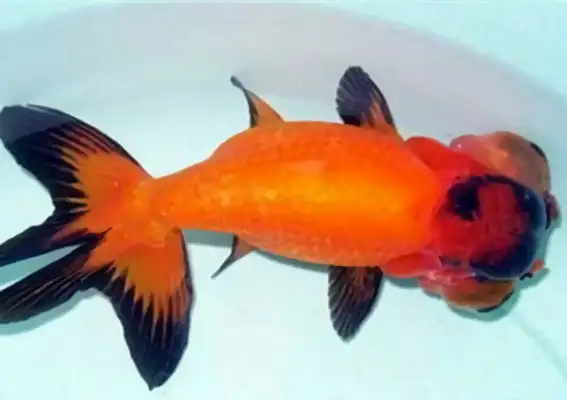
Iron-packed goldfish balls have black ridges, tail fins, red abdomen, and two red ball flowers in their sharp head. This species is the result of a mutation in the colouring of cyanide fish balls. Its colours are extremely difficult to stabilize and do not require attention to orientation. Iron bag gold ball breeding environment
Since a goldfish ball is a species of goldfish, it is also a warmer animal that adapts to a large temperature difference, is acceptable at 10-30°C water temperature and does not require a high demand for rearing, but also requires that fish friends make some adjustments to their water quality.
When the water is selected for the gold ball, first the water is laid in the bowls, ponds, etc. For 1 to 2 days (preferably in the open environment), the process has been described as drying in the Beijing gold ball industry. In seasons where sunlight is scarce, such as winters, it may be laid in the air for some time, but only in the absence of sun. Five to one times. The new water can be used when the temperature rises to close to the water temperature of the Chen Shui or the gold ball of iron. The discharge process also allows for the full deposition of impurities in the water and the full distribution of chlorine gas to cover the life of goldfish. Live water, such as wells, piped water, is too cold, and when suddenly exposed to fish bodies, it tends to cause iron-packed goldfish plating (commonly known as fried plating), loss of its original aesthetic appearance, loss of protection of the body, and even death. The timing of the discharge can be properly measured according to seasonal and weather conditions, usually from spring to summer. Five days; two to three days in late autumn; three to four days in winter. It needs to be managed flexibly by breeders, depending on the circumstances. Iron ball of goldfish.
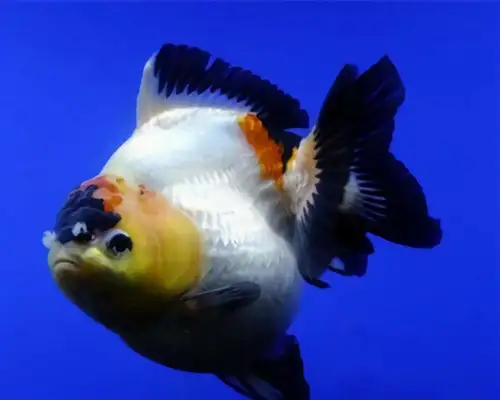
Iron-packed goldfish balls are not very difficult to raise, as long as a steady water quality and nutritionally balanced bait is given. Iron-packed goldfish balls are edible, animal, plant and even artificial grain feed acceptable to them, but science-based feeding is required during feeding.
It is appropriate to eat one to two and within 5 to 10 minutes per day. Little in the rain, no in the evening. Fish need to consume more oxygen when digesting food, with low weather and evening pressure, and low oxygen when dissolved in the water, which could lead to severe oxygen shortages in the water and to dead fish. Most of the dead fish occur at night, which is why. Fish dung can be distinguished by the colour of the iron bag goldfish ball: fish dung is green, brown or black, indicating that the fish body is well fed and well absorbed. If fish dung is white, it shows that fish are overfed.
They feed unclean fish, which can easily lead to fish disease. Although steel-packed goldfish balls prefer live food, they grow faster. However, all live foods are grown in contaminated water environments and are highly susceptible to bacteria, so it is important to be careful about their delivery. It is recommended that branded fresh, frozen foods produced by professional companies, such as haemoglobins, shrimp, etc., be purchased, supplemented by pulses and vegetables, in order to maintain comprehensive nutrition. Bread bugs are also foods that are popular with goldfish balls and have high nutritional value and can be fed appropriately.