Designation: PET2649
English name: Siberian Blue Robin
Vulnerability: respiratory, digestive and parasitic diseases
Life: Overview of blue song varieties 10-12 years
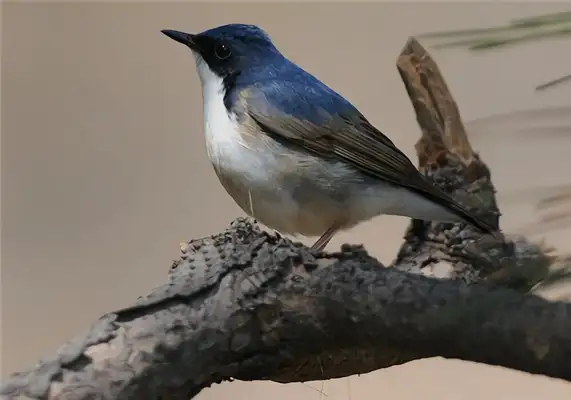
The Siberian Blue Robin, alias Bluetail Roots, Blue Bars, Silver Cards, is widely distributed around the globe, and they like to live on the ground and hide among the reed thorns. The species is modelled on the Daurianregion in Siberia.
In the Wildlife Protection Act of the People ' s Republic of China (hereinafter referred to as the Wildlife Protection Act), Blue Song was included in the List of Land-based Wildlife under State Protection, which was published on 1 August 2000 by the State Forestry Administration and is of great economic and scientific value.
Chinese literary name: Blue song
Chinese aliases: Bluetail root, Blue Bar, silver medal
English name: Siberian Blue Robin
Two words:
Area: Animal
Gate: Chordata
Amen: Vertebrata
Aves
♪ The world's most beautiful world ♪
"Passerformes"
Section: Turdidae
Jako:
From Lucina; robins, rubythroats
Scramble:
Distribution: Siberia, Korea, Japan, South China, Malaysia, Indonesia, India, Myanmar and mainland China, including Inner Mongolia, Heilongjiang, Jilin, Beijing, Liaoning, Hebei, Henan, Shandong, Anhui, Shanxi, Shaanxi, Ningxia, Gansu, Sichuan, Guizhou, Yunnan, Zhejiang, Fujian, Guangdong, Tibet, etc. Blue song morphological characteristics
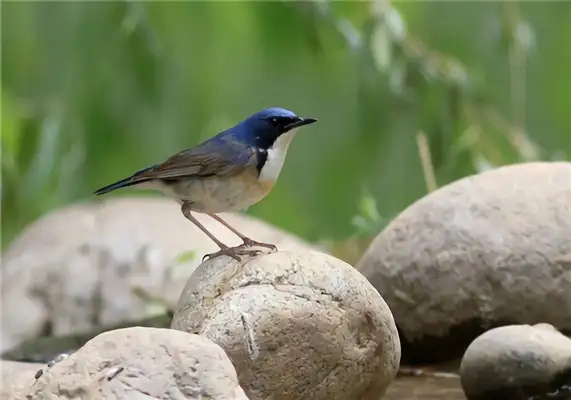
The blue song is medium size, and the size of the adult is about 14 cm. There are mainly blue and white or brown blue songs. The color of male and female bodies is slightly different. Specific features are described below.
The male is blue, with broad black perforations extending to the neck and chest and white below. The female has olive brown, brown throats and chests with yellow-coloured stripes with blue on the waist and tail. The tails and waists of the adult birds and parts of the females are slightly blue. Iris-brown; mouth-black; foot-pow. The blue songbirds, known for their euphemisms and for learning the sound characteristics of other species, are known as the chirping birds in the chirps, which are characterized by the sound: the sound of a soft lowtak in winter; and the sound of a loud se-ic. The Blue Sing.
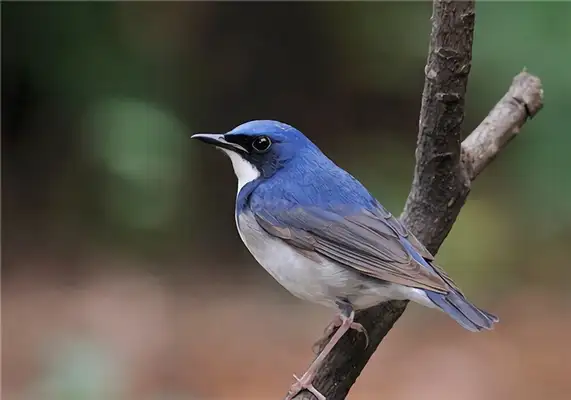
In the wild, the blue song is usually found on or near the ground. The family can be raised with a little cage. Because of the frightful nature of the blue song, newly purchased or captured blue songbirds tend to panic and refuse to fly. So what do we do now? How can we set up a living environment for the blues?
The blue song that has just been taken home needs to be covered in cages and placed in a quiet spot in the light. Since Blue Sing likes baths, it can be bathed once a day from spring to autumn. In the summer, it is placed in a cool place where the air is ventilated, it cannot be smothered and closed, and at night it is covered with cages to prevent mosquito bites. This bird is cold and winter feeding is key and must be kept warm. In winter, there should be sunlight in the room, and outside there should be a choice to avoid the wind to the sun, with indoor temperatures not less than 10°C. I'll have the blues.
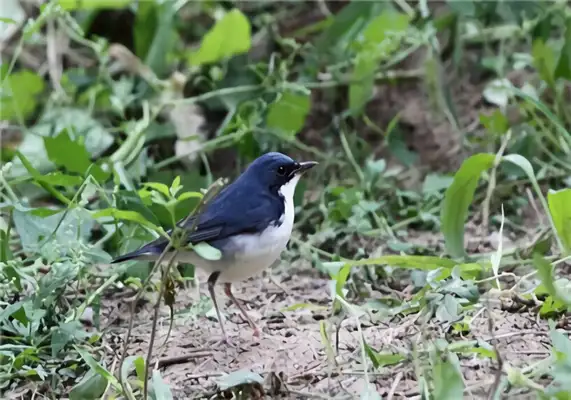
The Blue Sing had to prepare her for a living environment just before it was bought, so that she could adapt to the environment and raise it in a quiet environment. Then we're thinking about feeding. So how do we feed our new home?
Feeding must be filled with food, and insects must be lured with live insects a few days later, so that it can eat itself and feed its chickens, and with ripe egg blunders. Gradually, after a few days, they are fed with soybeans (beans, green beans, etc.) mixed with ripe egg yellow and meat. At first, the tank could be placed below the cage, inducing it to drink, and gradually later placed on both sides of the tree. In general, the new bird domestication process is about 20 days to 1 month. Insect consumption is dominated by blue chords in wild conditions, so that more insects are fed to daily breeding or are added to the powder with dry storks, high-quality meat or fish powder. The bird is a migratory bird.