Directory 1. What's low blood sugar? 1.1. Symptoms of low blood sugar in cats
The body needs glucose to maintain its energy level, which is essential for the daily functioning of body organs, cells and symptoms. Most cells can absorb fatty acid from liver reserves if the blood sugar levels of cats fall. However, the brain is a unique organ, which cannot obtain glucose from anywhere else in the body, except for the glucose carried by blood. As a result, when blood sugar levels fall, the brain quickly loses vital fuel and is unable to function at full capacity, leading to weakness, sleep addiction, loss of direction and coma. Low blood sugar for cats is a life-threatening disease, especially for young cats, and immediate access to licensed veterinary professional care is essential.
Under normal circumstances, the cat's internal control system ensures that the blood sugar (blood sugar level) remains at the right level, i.e. between 60 and 150 mg/dl (3.3 – 8.3 mmol/l)
Low blood sugar, by definition, is low blood sugar.
Low blood sugar in cats is a symptom of a potential disease that leads to dangerously low levels of blood sugar in cats. Low blood sugar, also known as low blood sugar, may be the result of a blood sugar ( blood sugar) regulator whose health condition affects the body. The symptoms of cat low blood sugar.
Low blood sugar symptoms of cats, even at the warning stage, are easily detected and often uneasy to their owners. Cats suffering from low blood sugar can rapidly lose their brains, leading to increased nervous disorders and appetite, as the body relies on food consumption for energy. The symptoms may be light or heavy depending on the degree of decline in the blood sugar levels of the cat. Slightly low sugar sleeping sleeping pupil expansion, sharpness in breathing, increased stressful appetites, moderate low blood sugar coordination, shaking, slanting head in the direction of loss, severe low blood sugar coma, epilepsy death.
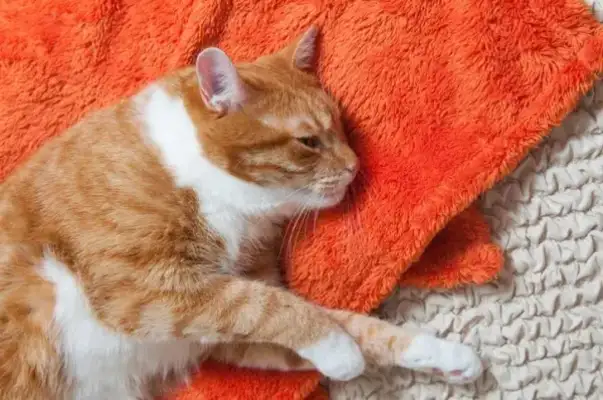 The reason the cat's low blood sugar.
The low blood sugar in cats is caused by a potential disease that affects the ability of the body to produce, release or store insulin. Insulin is a chemical courier responsible for regulating body blood sugar levels. Pancreas make these metabolic hormones and release them when cats eat. When food is digested, glucose in food is absorbed by blood. The rise in plasma glucose triggers beta cells in pancreas, and insulin is distributed to maintain balanced levels of blood sugar. Diabetes: Diabetes cats may suffer from low blood sugar when overinsulin is injected or two doses overlap. Blood infects anorexia of pancreas tumours, massive vomiting, excessive exercise Addison disease: an adrenal disease. The adrenal gland produces cortisol hormones, balancing insulin. Accumulation of sugar: a disease that prevents the normal synthesis of muscles and livers in the storage of the sugar. This is a rare disease, mainly found in Norwegian forest cats.
Hemo-sugar levels may decrease as a result of storage disorders in the primary sugar:
Your vet will begin to diagnose whether your cat has low blood sugar by obtaining a full medical history. You will be asked to repeat the current symptoms of the cat, diet, medication and past illness. The vet will then continue to perform the following diagnostic tests:
Medical examination
Yellow stuns or yellow eyes may be signs of liver failure and may lead to low blood sugar.
Urine analysis
The results of urine tests will show the current state of kidney and liver function of cats.
Biochemical profile
Evaluate organ genocrine levels and assume performance tests.
Total blood cell count
The number of white and red cells will help veterinarians to determine whether there is blood infection.
ACTH irritation test
 [including downloading] Veterinary Examinations required a full set of videos + documentation [with small stoves & Zeve video web lessons + mind charts + four colour notes + summary of mouths + reality + practice]
The measurements of cortisol hormones from adrenal gland determine the level of gland function.
X-ray or ultrasound
Images can be used to detect tumors. The treatment of cat low blood sugar.
An intravenous glucose solution (right glucose) is the most effective treatment. This solution usually has higher concentrations (e.g. up to 50 per cent), but if an intravenous injection is given, it must be diluted to less than 10 per cent, as higher concentrations stimulate tissue around the veins and damage red cells in circulation.
The usual option is to inject 5 mL/kg body weight 10% glucose or right glucose. Thereafter, a continuous rate of infusion (CRI) of 2.5-5% is used until the exact cause of low blood sugar is determined and treated.
In most cases, low blood sugar symptoms after intravenous injection began to recede almost immediately.
If the owner is at home and has low blood sugar symptoms and a history of disease (e.g. overinsulin, or cold for newborn cats), corn syrup or honey can be painted directly on the inside of the mouth when the animal is brought to veterinary services. This method is less effective than intravenous glucose, but may in some cases save lives.
More complex treatments, including the use of hormonal insulin hemoglobin, may be required for more complex catacombs (e.g. insulin tumors). Low blood sugar is more likely to relapse and requires treatment different from other one-time situations.
Once the initial low blood sugar crisis is resolved, an accurate diagnosis of the cause of the disease needs to be confirmed and appropriate treatment provided to address this major problem.
Diabetes patients need to adjust insulin doses to the blood sugar curve, insulin tumours usually require surgery, but in some cases medication is available, sepsis requires intensive hospital care and intravenous antibiotics, and low blood sugar kittens can be improved through proper nutrition, care and attention.
Treatment for low blood sugar in cats ultimately begins with the determination of the underlying cause, as low blood sugar is a symptom, not a disease. Low blood sugar may be the result of pancreas tumours, adrenal diseases, blood infections or toxicity. Please consult your veterinarian about the treatment that suits your cat and its low blood sugar. Monitoring and forecasting
During intravenous glucose, blood sugar levels are closely monitored to increase or reduce the injection as required.
When potential problems are detected and treated in a timely manner, patients who respond rapidly to emergency treatment are well prepared. However, if treatment is delayed and low blood sugar is prolonged, it may cause permanent brain damage.
Cases with more complex potential diseases (e.g., insulin tumors) are less certain and require detailed discussion with your vet. Conclusions
Low blood sugar is a medical emergency, and when a cat's blood sugar is below normal levels, it causes the cat to become drowsy, stagnating, pacing and other symptoms. Urgent treatment is needed to deal with this situation, so if your cat has these symptoms, contact your vet immediately.