Designation: PET6578
English name: Ducorps Cockatoo
Origin: Overview of the species of parrots in the upper Ducopo, Solomon Islands, South Pacific
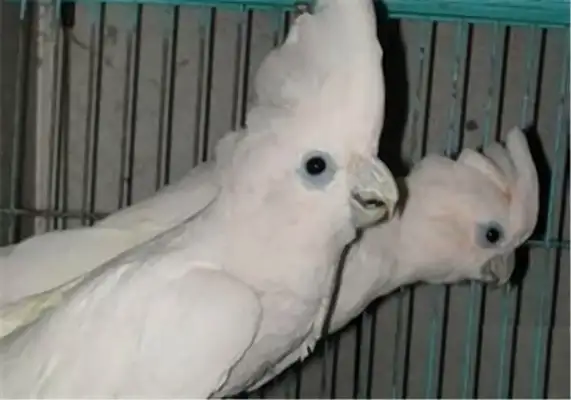
The Ducopo macaws usually act in pairs or in small groups, and when they act in groups they are very noisy and very visible. The Duco Polo parrot is very beautiful in shape and is a common pet in origin.
Chinese name: Ducco Porco.
Famous alias: Parrot of the Solomon Islands, parrot of the Dust.
English name: Ducorps Cockatoo (SolomonIslands Cockatoo)
Latin name: Cacatuaducorpsi
Geographical distribution: Solomon Islands in the South Pacific
Body characteristics: 33CM Ducopo, parrot appearance
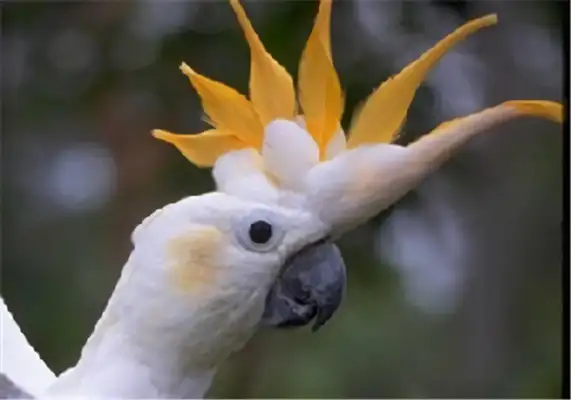
The Dhukopo parrot is 33 cm long and has a lifetime of around 50 years, mainly in Solomon Islands. The appearance is noble and elegant, and as a result has been welcomed by the local population, which is a very popular pet bird.
Ducopos can also live well with other species of birds with a mild introvert, with a slightly smaller voice than an ordinary parrot, and a relatively small noise in the species of parrots, well suited as a domestic pet bird. The number of communities in the field was large in the past, but at one point it was significantly reduced and there is still no accurate estimate of the number of people in the field, so it is not known whether such exports would pose a threat to their communities. Fortunately, the Solomon authorities have imposed strict restrictions and quantitative controls on the export of the Ducopos parrots, so that the Ducopo parrots are not in a crisis of immediate extinction like the salmon parrots and other primary care groups listed in appendix I of the Washington Convention Organization, but are still classified as level II of appendix II. However, the high level of deforestation in Solomon Islands has also led to a rapid reduction in the habitat of the Ducopo parrots, which has significantly reduced the vulnerability of their communities. The Ducopo's parrot breeds the environment.
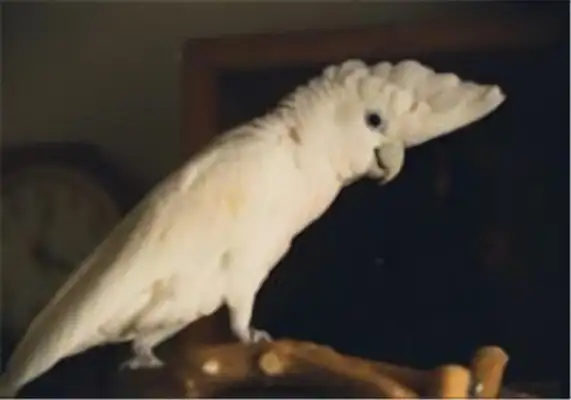
The Dukopo parrot is a quieter species than other parrots. Dhukopo parrots are ideal pet birds, but their number is also declining due to environmental damage and smuggling.
The Ducopo parrots are active in forests about 700 metres above sea level and have a plume of 8-10 weeks. Own birds sometimes do not feed their chicks, so the cages are raised in a timely manner. The docohead parrot prefers to dwell in the forests of the island or in areas on the edge of the forest, to choose lowland tall trees or vegetation activities, and sometimes to go to rural farms to feed crops, and occasionally to see them in parks or green lands. Most of them are in pairs in the wild and occasionally gather around eight small groups who fly together in the early morning hours to the feeding grounds and spend the night in their habitat at dusk. They prefer to live on higher branches, usually on the ground only when drinking water and feeding, with considerable care and difficulty in getting close, while a few of the groups will work as sentry posts, and if there is any movement, the sentry will warn, and the whole group of Dokpos will fly immediately. The doco porridge.
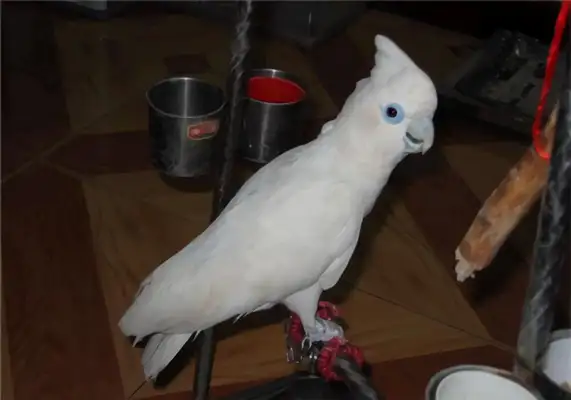
Dhukopo parrots are ideal pet birds, but the number is also declining due to environmental problems, smuggling, etc. An adult Ducopo parrot would be better placed to purchase a raw pair of artificial reproduction.
The docopo parrots are fed mainly by seeds, nuts, fruits, local vegetation, berries, flowers, foliage, insects and larvae. The docopo parrot during reproduction is aggressive or aggressive, and male birds sometimes attack female birds, do not often disturb them or alter the environment because they are sensitive to these acts.