Designation: PET1618
English name: Furrowedwood turtle
Origin: Yucatán Peninsula and adjacent areas
Vulnerability to disease: Decay
Life Life: A brief description of the species of plough ploughed wood and turtles for about 50 years
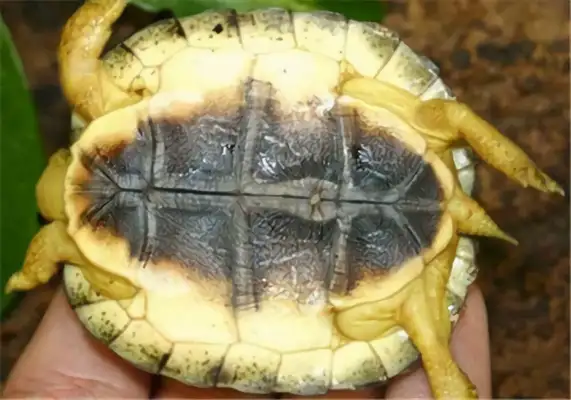
The ploughing turtles found in and around the Yucatán peninsula are a turtles under which the woody turtles live and are good at swimming, and in a wild environment they are groceries, but are more food-oriented, with few markets and difficult to buy.
Chinese name: ploughwood turtle
English name: Furrowedwood turtle
Latin name: Rhinoclemmys areolata
Context: Animals
Tortoises.
AAA: Tortoises
C: Turtles
Yako: Yako the Tortoise
Yes: woody turtle
Crops: ploughing ditche turtles
Eating: impurity, strong appetite for grass.
Living habits: living in forests adjacent to rivers, terrestrial habitat, and good swimming.
Habitat: aquatic.
Geographical distribution: Yucatán Peninsula and surrounding areas.
Reproduction: to watch the species of turtles, to watch the ploughing of ploughing turtles. Characteristics of the ploughing ditch pattern
1. In the west of Tabasco and in the vicinity of Veracruz, people tend to live in aquatic habitats, with no spots in their throats, black abdomen on the back of their limbs, no spots in their abdomen, absconded, and abrasive olives to grey. 2. The south-central Veracruz is inhabited by grasslands and tends to live on land. The throats are black, the back limbs are light and covered with black spots, and the backs are pristine. 3. The Quintana Roo and Kosumer islands have no larynx and the rest have similar characteristics to those of southern and central Veracruz. The knowledge of ploughing and ploughing turtle care
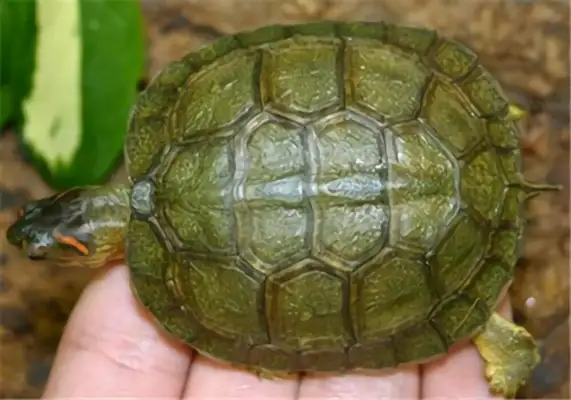
The number of ploughing turtles raised domestically is not significant, in part because ploughing turtles themselves are difficult to raise, and in part because the number of ploughing turtles in the country is very small.
The plough ploughing turtles are a very small number of very cold-tolerant tropical turtles that, at temperatures below 10 degrees, hide in caves into a state of hibernation similar to that of hibernation until the temperature rises to 18 degrees, without any need for sun or light.
A ploughing turtle can be raised as a turtle in a turtle tank, or on land as a box turtle, with great resilience. However, the competition between males over females is intense, resulting in external injuries by biting each other ' s limbs and tails outside the shell, as well as turtle nails above the tail. So it's enough for a male to have only one. It's small, but lively.
The amount of ploughing is also high. Feeds, vegetables and fish are their staples, and any food they can eat will be swept away. Cricket bread worms also eat, and there's no problem. The environment of ploughing and ploughing turtles
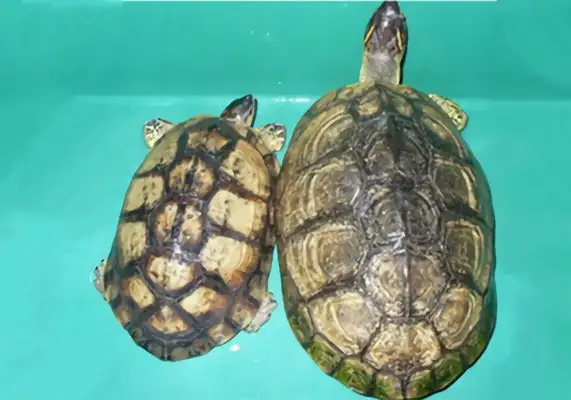
Many mistakenly believe that ploughwood turtles can withstand low temperatures, which is not the case, and that ploughwood turtles require a constant, relatively warm environment and provide a good tan and healthy environment.
I. Temperature requirements for ploughshares
In the tropics where ploughing cane turtles are located, the annual minimum temperature is no less than 20 degrees. Therefore, ploughing can not be ploughed below 20 degrees, with an ideal temperature of 24 to 26 degrees Celsius and an ideal relative humidity of 75 to 85 per cent. In order to maintain sufficient humidity, rearing tanks require water spray. Artificial plough ploughing turtles can adopt a dry and wet ploughing environment in the environment, and the water zone is a water zone and the land is relatively dry.
II. PULLING RULES AND TURNING
The ploughing turtles are very fond of the sun-back varieties, and raising ploughing turtles requires a sun-back lamp, which can be kept at 33-35 degrees in the heat. They spend a considerable amount of time drying up their bodies under the lights, which helps them digest food and heal themselves from disease. This is critical for the newly introduced ploughing ditch-trawling turtle. A tan light can solve many health problems. Of course, when they get warm enough, they go into the water basin and take a bath, do a spa and drink plenty of water. It was observed that the demand for drinking water was considerable for ploughwood turtles, who were often seen to take the initiative to drink water. The point of ploughing ploughing turtles.
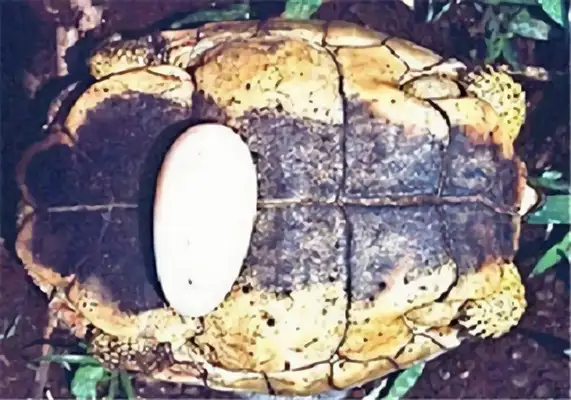
In a wild environment, ploughing cane tortoises are impregnable and feed some fish shrimp, vegetables, etc., on the basis of a nutritional balance taken into account when raising them.
Food choices
The ploughing turtles are impregnable turtles, mainly vegetative feed, such as cucumbers, tomatoes, green leaves, etc., supported by animal feed and hand-coated feed, which is fed in turn to ensure full nutrition. At the same time, the addition of bone powder, tortoise-specific multi-dimensional vitamin E capsules, etc. to feed, promotes the growth and maturity of the argon glands and increases the rate of spawning, spawning and fertilization.
Frequency of feeding
Two meals a day at 8-9 and 15-17, respectively. Before they are fed, we clean the feed basin, and when they are fed, the feed is dropped on the feed basin to avoid waste, especially when they fall into water to pollute water quality. The daily feed feed is between 1.2 and 2 per cent of the total tortoise weight, depending on the season, weather, water temperature, and turtle intake, as appropriate, to be eaten within 2h after feeding. Feeds should be fresh, non-toxic, non-polluting and non-corruption.
III. Attention to feed
The high temperature of summer sleep in plough ploughing turtles is such that they are less moving and less hungry and therefore need to reduce the amount of inputs or cut-off materials, build shades above the pool at 1-2 m, protect against direct sunlight from the water surface, maintain good ventilation, regularly flush water, plant aquatic plants on the water surface, prevent excessive water temperature, and ensure normal activity and feeding of the tortoise.