Designation: PET5592
English name: Sonoran mud turtle
Nationality: Southwest of New Mexico, Arizona, and the southeast end of neighbouring California, heading south into Mexico.
Vulnerability to disease: Decay
Life: A brief description of the species of Solola turtles for about 50 years
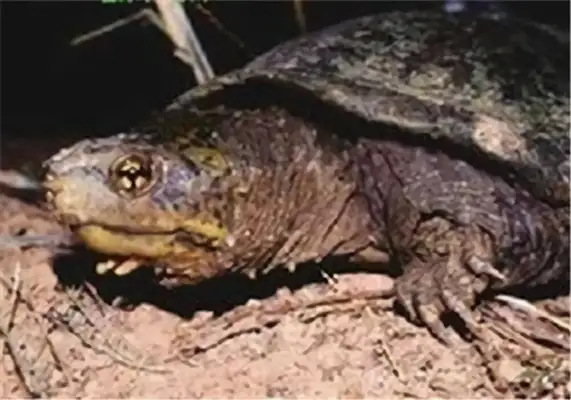
The greatest characteristic of the sororilla turtle, a rare species of musk turtles, is night sport, which is not present in any other subspecies, is found in the state of Mexico, where the domestic pet market is rare, small and medium-sized.
Chinese literary name: Solara Tortoise
English name: Sonoran mud turtle
Context: Animals
Gate: Pipeline gate
Amen: vertebrate Amen.
Programme: climb
Tortoises.
AAA: Tortoises
Section: chest tortoises
Aco: Ako Osco.
It's the musk.
Castes: Thorora Tortoise
Distribution: South-western New Mexico, Arizona, and the adjacent south-eastern end of California, heading south into Mexico.
Reproduction: Eggs. The nest was nested between May and September, producing 2-9 eggs, which were elliptical in shape and 3 mm long.
Practice: Wastelands, mountains, oak forests, short pine forests, yellow pine forests, and streams, ponds, ponds, and small rivers in pine forests, up to 2042 m above sea level. In the dry season, the Sanova turtles gather in the pond.
Body characteristics: Size 8-16.5 cm. The manicure is long and smooth, sometimes with one or three low-level ambiguities. The tenth shield is higher than the other shield. The shield and the bridge are under brown and yellow.
Eating: They feed on screws. Soura's mud turtle morphology.
Under the armpit of Thorola, the armour of the groin is in contact on the bridge, which is usually coloured in yellow or brown, while sometimes it is mixed in colour, with black stitches in the armour. Bridges are generally brown. The wild Zororah individuals often carry green algae. The back armour is clearly stretched and relatively high and typically contains 23 guilders, with a slight dim or flat top, and an invisible spine down to the edge along the centre of the backnail. Thorora's knowledge of nursing.
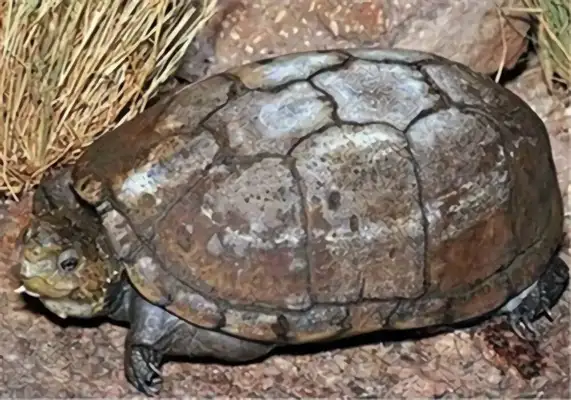
With few and now no record of artificial reproduction, some of the commercially available are usually wild individuals, whose greatest problem is that they are more likely to die in the pre-nursing period, so care is to be taken of new turtles.
I. CORRECTIONS OF THE NEW TORTURE OF SORA
Like most wild-generated turtles from North America, there are no suitable bacterial strains, temperatures, humidity, temperature differentials everywhere in China, relatively high mortality rates in wild-generated organisms, about 20 per cent loss, and it is relatively simple for turtle friends to choose, as far as they can, the turtles in their hands.
ii. Solara tortoise hibernation?
Because of its wide distribution in the north and the south, some turtles think that hibernation is necessary, others think that it is possible not to be, in their own experiments, that hibernation is possible, that the female ovary cycle is continuous, and that warms up, it will contribute a season of eggs, if it is hibernation, to water temperatures below 10 degrees, to a minimum of two degrees, if not to the south.
III. SORORA MUSTEROY
Thorola turtles eat essentially everything, turtle foods, fish, shrimp, earthworms all the water turtles like it eat, and they can be fed together with three-and-a-half-life turtles + ravine feed + gold turtles, two or three days at the right temperature. It's a food thing, and it's pretty interesting to keep you close enough to eat. Soura's turtle living environment
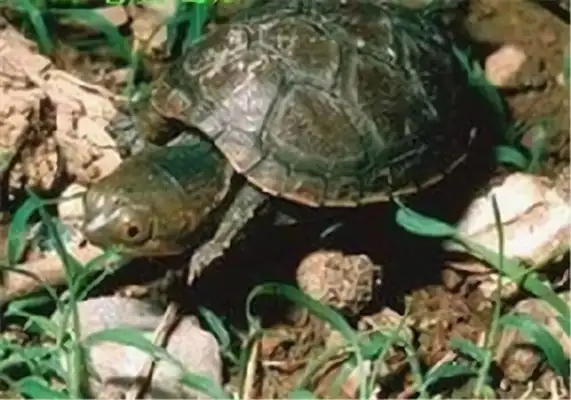
In addition to the fact that the environment in which turtles are laid, the maintenance of water quality and the control of water temperature are more important, there is a change in the very difference between turtles, such as the need for land for semi-water turtles, and sour turtles are unique in that they are night planetary turtles, and for which are we prepared?
I. Water quality requirements
The demand for water quality in Sororah is general, on the one hand, because it prefers to go ashore, and on the other hand, it is not very sensitive to the quality of the water itself as an egg turtle. In general filtering, one third of a week's running water can be replaced, and if there is a corrosive skin, it is almost enough to wipe together the iodide for one day.
II. Temperature requirements
Since the distribution of SORA turtles in North America, from tropical Florida to northern New York, is almost equivalent to China ' s distribution from Sanya to Dalian, they are relatively adaptable and, in general, can be referred to as yellow-throat turtle-like breeding, above 18 degrees for food and above 32 degrees for sleep. The appropriate temperature is between 23 and 30 degrees.
Water level requirements
In the absence of deep containers to feed the turtles, the deepest is generally 20CM, which is relatively good to swim, but it is not a turtle that is particularly suitable for deep-water farming, but no such turtles have been drowned, whether they are small or mature.
The need for sunlight
Thorora is a night turtle, which means he chooses to rest during the day. Even so, Thorora still likes the sun, often seeing it sleep lazyly in the sun, so it is necessary, in a breeding environment, to set up a resting tan while ensuring his safety. Thorora's.
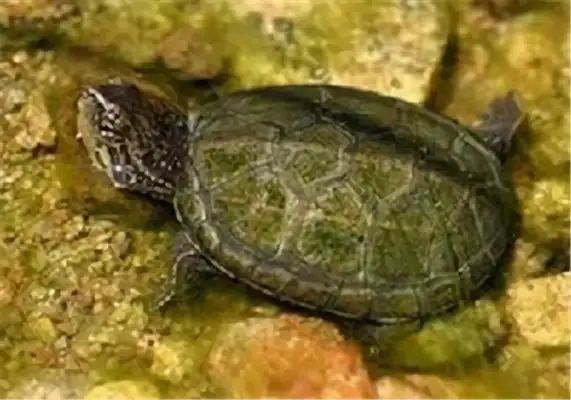
Biological demand for nutrition is not just a few aspects, proteins, fats, vitamins and micronutrients, which can be said to be necessary to maintain normal life and health, as is so in the case of Thorora mud turtles, and what kind of nutrition is required and how to complement it is described below.
I. Calcium and other minerals
The presence of sleeping and an abnormal swelling of the throat (the thyroid) may indicate iodine deficiency, i.e. a balancing vitamin-mine mass (l g/kg body weight) or iodized salt (0.5 per cent feed) in normal breeding.
II. Protein
The protein content in feed should be 18-20%. Amino acids need to be the same as mammals, but group amino acids need to be added. Low protein content leads to loss of body weight, muscular degradation, wasting, regenerative infections, reproductive disorders, healing wounds, etc.
III. Carbohydrates
Thorora mud does not seem to require much carbohydrates, and in many cases energy demand is met by protein sugar.
IV. Fatty and other
Crude fibres are necessary to maintain normal functioning of the soura turtle digestive tract.
Vitamins
The normal metabolic and calcium balance of the Thorola turtle requires vitamin D, and the recommended dose of vitamin D added to the turtle feed is I00IU/kg bw/week. Vitamin D/hormonal can also be used as a source of ultraviolet light. The market-used sources of ultraviolet light, fluorescent lamps, etc., can also be used for turtle breeding.
The metabolism of turtles is also significantly reduced when temperatures decline, with a consequent decrease in the availability of food. The feeding behaviour of turtles, digestion and absorption are associated with environmental temperature and enzyme system activity. Humidity, light sources, group density and type of feed also affect the feeding behaviour of turtles.