Like humans, dogs get emotional and try to communicate to you. Unlike humans, all dogs don't hide their emotions, they'll tell you whether they're happy or sad. This is very valuable to us. As pet owners, it is important to learn to look at the body signals of dogs and to understand their language.
These communication skills are based on the dog's body, such as tails, eyes, ears, faces, gestures, so let's get to know the dog's language today.
The tail.
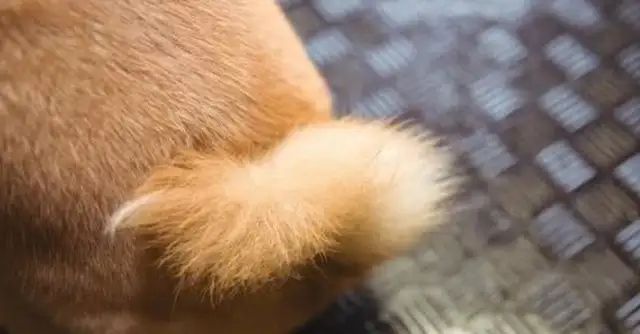
Scavengers know more or less about the tails of dogs, which is the easiest way to communicate with them. When the dog's tail is down and still swings, it shows pleasure and excitement. When the dog's tail is down and swaying slowly, it's waiting for your next instructions so that it can know what's going on.
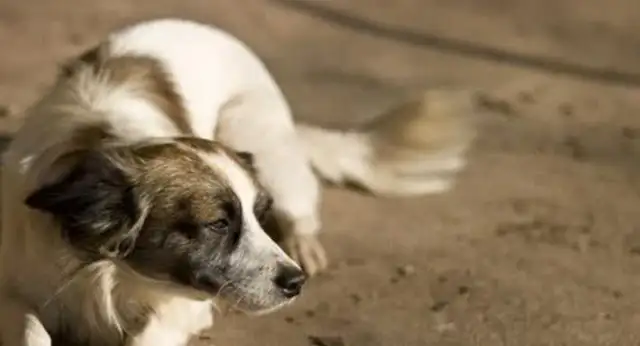
When the dog's tail is raised and swayed slightly, it means the dog is challenging you. If this happens, it means that the dog thinks it's in control of the situation and has more authority than you." It's the easiest to distinguish between tails, and it's very common when dogs are scared, afraid or inconvenient. If you can't tell why the dog did it, it'll always be scared. You can take it to the hospital to see what's wrong with your body.
Eyes.
It's harder from the eyes than from the tail. Dogs show a variety of emotions through their eyes, the main way to communicate with the outside world. When the dog opens his eyes and looks alert, it's drawing your attention.
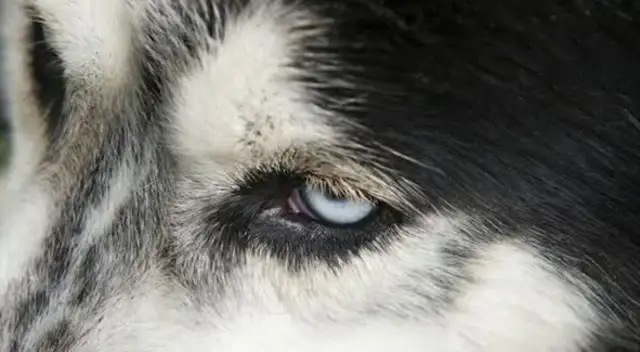
If your dog looks down, blinks or makes eye contact with you, it's funny. But when dogs blink or look down frequently, be careful, and the dogs may need to see a vet with eye problems.

Ears.
Ears are not easily detected and require more time to understand. In practical terms, all dogs use their ears.
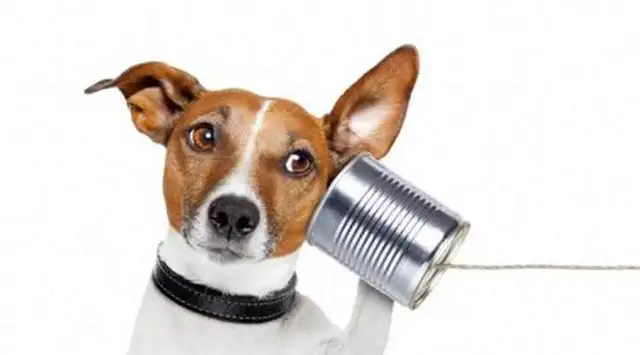
When the dog's ear is pulled behind his head, whether it's flat or under pressure, it means he's scared. At the same time, attention should be paid to the fact that when a dog has an ear down, usually a left ear, it usually reacts to the fear of strangers and strangers.
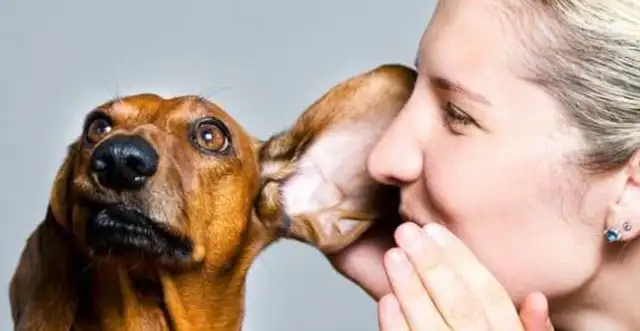
Face.
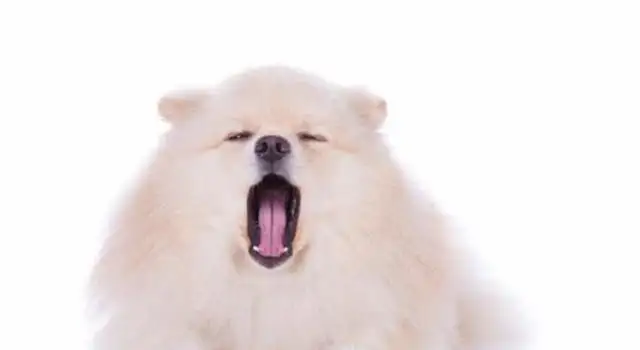
The facial expression is also the way we can communicate with the dog, the easiest sign to distinguish is the dog's graft. People think it's because dogs are tired, and that's really why they're so big. However, when the dog is in a new environment or is surrounded by other dogs, it yawns because of stress - a similar situation is particularly likely to occur on the dog.
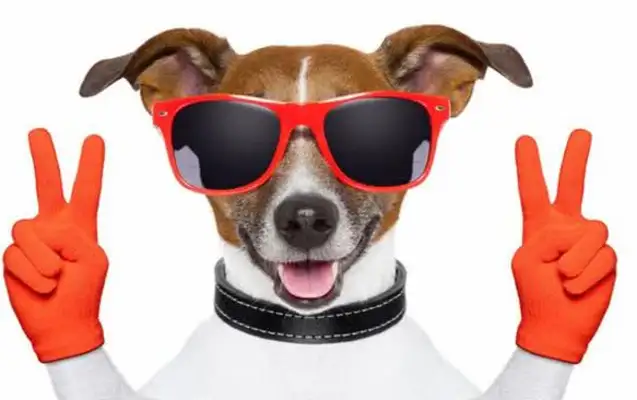
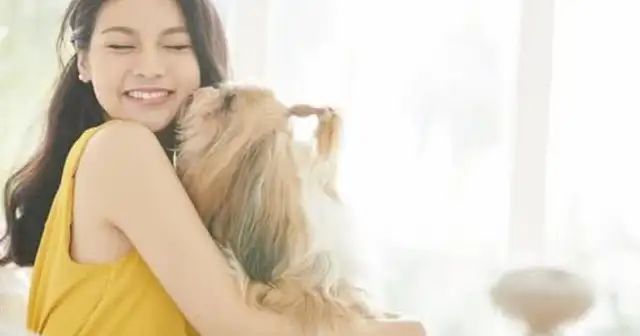
If the dog's after you, it likes you. If a dog licks his face, it cleans up the food left on his face or sends you stress and unease. When dogs reveal their teeth but do not growl or shout, this is usually for territorial protection, and often happens when dogs eat when people want to take their food or other animals too close.
Posture
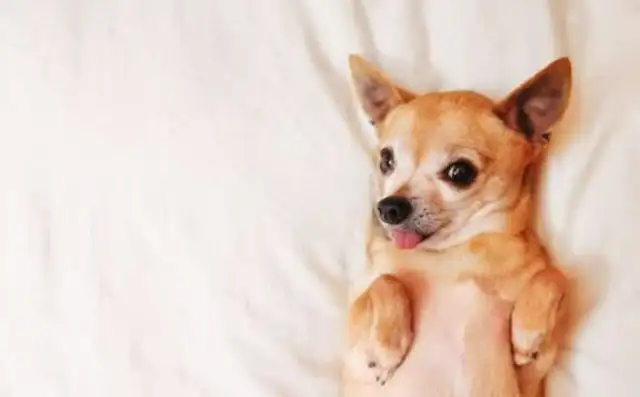
The dog's attitude is the easiest to distinguish, because you can see the whole body. When the dog lies down and shows you his abdomen, it's a sign of trust. You can rub his belly and tell him you're happy together. You can often see the dog leaning on your knees or legs, which means it needs your attention and your attention.
Similarly, the dog will put his claws on your knees or legs, but it's a mastering technique in the animal field, and you have to firmly remove it. If the dog moves the whole body, it basically wants to get rid of some nervous emotions or something. For example, after taking a bath, it shakes quickly and loses its excess water. However, most of the reason why dogs do this often and do not have other substances like water on their bodies is because of mental stress. And finally, when the dog sits on your back, it means he trusts you.
The dog breeders know that it's necessary to detect the above, because it helps you to better understand the dog and communicate. If you look carefully, you can see that the dog does express a lot of emotions and has the ability to communicate with you, but the dog has a very high IQ. For us, it's been a long time since the dog breeds more pleasure and achievement.
Some text, pictures from the web
In case of infringement, please contact delete