Title: PET4780
English name: Rainbow Lizards
Origin: Overview of rainbow iguana species in central and western Africa
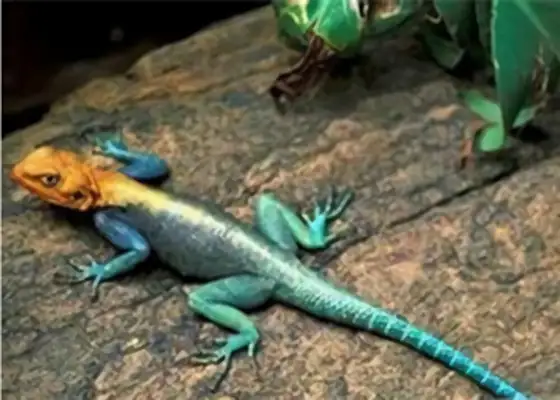
Rainbow iguanas have a very special shape, and at night, rainbow iguanas are characterized by invisible grays, but when they reach the sun, the body temperature changes, the colour of their eyes is bright, so there is also the name of rainbow iguanas.
Chinese literary name: Rainbow iguana
Latin name: Agama agama
Context: Animals
Distribution: Central and West Africa
Reproduction: Eggs
English name: Rainbow Lizards Iguana Exterior
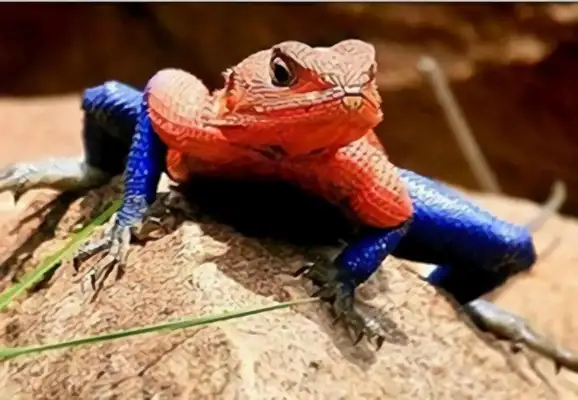
The color of rainbow iguanas at night is invisible in grey, but when the sun shines on the body temperature of rainbow iguanas, their color becomes bright and very bright.
Rainbow iguanas are characterized by white lower abdomen with a thin brown posterior leg and tail with a fine bright strip to the middle and six to seven deep to the side. There are some females and males. Secondary male, female, and larvae have an olive green head. A blue body and a yellow tail, the head of which is the dominant male character. The rainbow lizard has a large head, a long tail, full-grown ears and eyes. These lizards have teeth, different kinds of teeth. Male lizards have a maximum length of 25 cm and female lizards 20 cm (1964). Rainbow iguana breeding environment
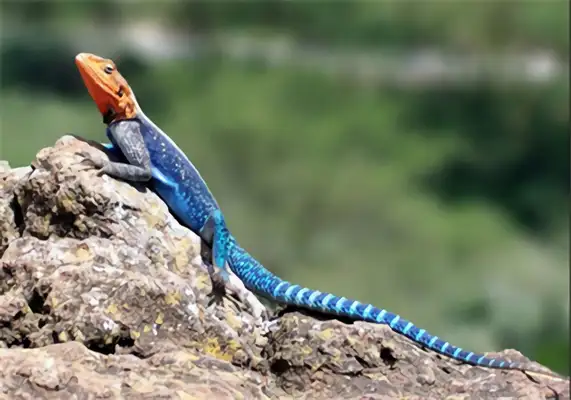
Rainbow iguanas are strong and belong to the primary species of iguanas. Rainbow iguanas growing in the wild are mainly grown in dry environments, so the temperature of artificial rainbow iguanas is recommended at 20-25°C.
The maximum length of rainbow iguanas is 20-25 cm, so the artificial raising of rainbow iguanas requires care to select a suitable rearing box for them. Dry sand and stones were laid in the boxes where rainbow iguanas were raised, and a hideout was made of wood, cups, etc. Put it in the food and water basins. It better be china. Keep the water fresh. Iguana feeding points.
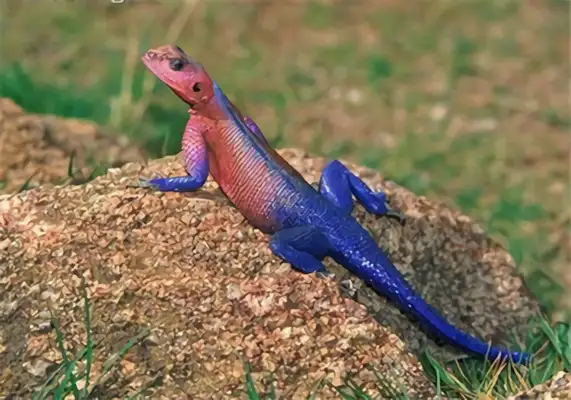
Rainbow iguanas are an introductory species of iguanas and, if properly raised, rainbow iguanas are very strong. So, when you have a suitable breeding environment for rainbow iguanas, what's better to feed rainbow iguanas?
Rainbow iguanas in wild environments often operate on trees and rarely go down to the ground. When climbing on trees for food, the wing membrane folds like a fan to the back of the side of the body; while glittering between the trees, the wing membranes spread outward. The glider can change direction, but cannot fly from low to high. The iguana feeds on insects.