Designation: PET1878
English name: Brief description of the short-tempered abdomen of Gloydius Brevicaudus
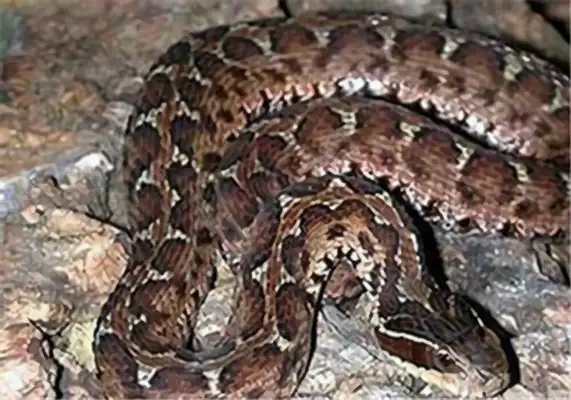
They are called seven inches, snakes, deaf people, etc. It is extremely toxic, mainly on the Korean peninsula, Taiwan and mainland China, in Beijing, Tianjin, Hebei, Liaoning, Shanghai, Jiangsu, Zhejiang, Anhui, Fujian, Jiangxi, Hubei, Hunan, Sichuan, Guizhou, Shaanxi, Gansu, etc. In addition, short-tails are very viable.
Chinese: Shorttail
Foreign name: Gloydius brevicaudus
Context: Animals
Gate: Trondata Gate
A: Reptilia
Objective: Squamata
AMA: Snakes
Section: Viperidae
From Asia: Gloydius
Castes: short tail g. short tail abdomen
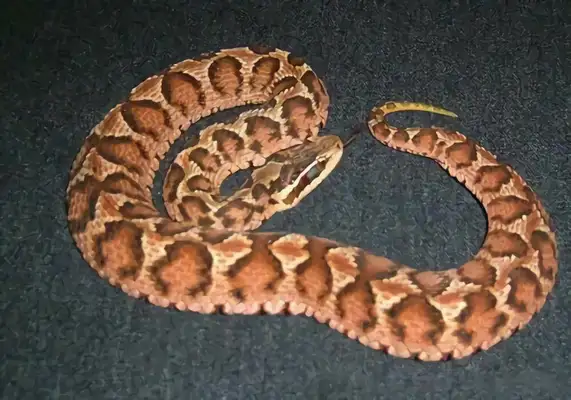
The short-tails are poisonous snakes and highly toxic, and are reptiles of the Zenko Asia. The figures are incomplete, and the number of short tails is relatively high and they are in hibernation from November to early March of the following year.
The short-tail male is 414+64 mm, the female is 344+48 mm, with a light brown to brown on the back, with two rows of dark brown lids, staggered or paralleled, the center of the circle is light and the outer side is open to horse shapes, some of the specimens also have a red brown ridge line; the eye is followed by a coloured eyebrow with a yellow-white edge on its upper edge; the back is yellow white, but the tail is often black. The kisses are obvious; the sarcophagus on the outer side of the snout bend backwards; the mid-twenty-one; the abdominal + bottom plaster 167-196, average 180. There's a cheek nest, there's a tube teeth. The environment of the short tail.
Short tails, a highly viper with a relatively wide distribution in the north and the south of the country, do not generally attack voluntarily, but do so continuously after being attacked. Owing to the acute toxicity of short-breeding, the incidence of artificial farming is low. Short tails are distributed from the plain to the 1,900-metre mountain range. It operates by riverside, grass slope, forest land or wasteland, rocks and piles away from water sources, eating mud, rodents, pickles and eggs. Beijing is only a valley plain below 1,000 metres. Short-end food requirements
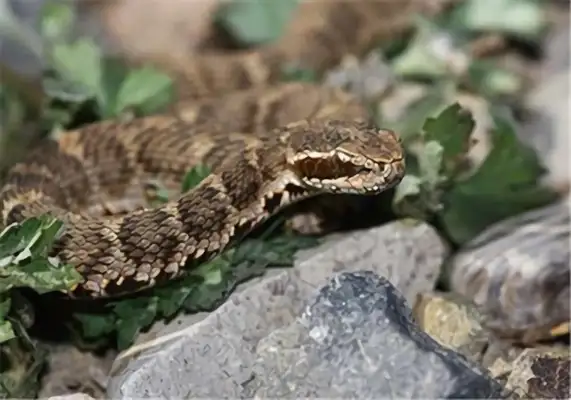
Due to the acute toxicity of short-tails, it is not uncommon to raise short-tails by hand, which in wild environments are fed mainly by fish, mudslides, yellow tarts, frogs, lizards, snakes, birds, rats, etc.
Shorttails are mainly found in mountain forest areas between 1000 and 300 metres, especially near streams and environmental moist valleys, where shorttails are fed by frogs and reeking stones. Short-tail abdominal digestive food is slow and is associated with temperature and venom injected, and 25°C takes five to six days to digest directly (pre-killed) muddocks or rats.