Guidelines for the treatment of turtle nails/skin disease in families
Tortoise cortex and leather disease are common but not negligible problems in turtle-raising households. It is often accompanied by fragile shells, bubbles on the surface, darkening colours and even decomposition, which, if not addressed in a timely manner, can spread internally, affecting food, activity and even life safety. The following points range from a focus on content and concrete measures to a comprehensive set of responses to help you treat the disease at home, minimize harm and promote recovery.
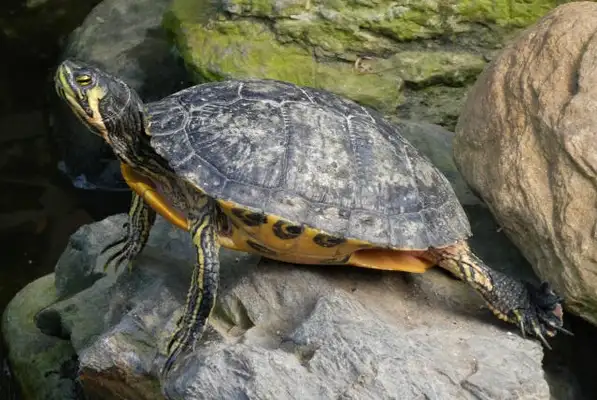
Content-focused diseases are diverse, often caused by post-infection infections in the outer shell, fungi or bacterial corrosive effects in wet thermal environments, and induced by poor water quality, calcium deficiency or insufficient light. The reality is often a combination of multiple factors. The key to early identification is whether the surface of the accidental shell is softened, bubbled, humidly dark, impregnated on the edges, with similar signs of redness or ulceration on the feet/caps, as well as a decrease in appetite and a decrease in vitality. The principles of treatment emphasize clean, dry, wet, sterile and integrated nutrition and environmental improvement; medical treatment is subject to veterinary instructions, and home treatment is supported by support, avoiding tissue damage caused by the self-use of high concentrations of disinfectants or powerful drugs.
Recommended measures for segregation and observation: separation of affected turtles from other live-in turtles to avoid cross-infection; and documentation of changes in conditions, food intake and defecation to facilitate assessment of therapeutic efficacy. Environmental control: Keep water quality clean, water temperature appropriate (usually 25-28°C, depending on turtle species and seasons), provide dry sunback areas and climbable habitat, and ensure that sunlight or UVB lamps are adequately irrigated but not hot. External care: For visible decomposed areas, first softly wash with warm water and remove stains, and, if seepage, sepsis, avoid tearing or excessive friction. Sterilization and pharmaceuticals: Common excretion agents include diluted iodine volts (sub-iodine acids) or medical-level antibacterial/antiflucative ointments at concentrations consistent with veterinary prescriptions; if the infection is diagnosed, treatment will be based on veterinary antibiotics or antifist drugs. Nutrition and calcium: increase calcium and vitamin D3 intake in diet, ensure organic food, calcium powder or special turtle food, and help regenerate the crustaceans and heal the skin. Prevention priority: Regular cleaning of water tanks, regular change of water, maintenance of dry areas and avoidance of wet heat accumulation; avoidance of exposure to turtles with domestic bleach, alcohol and other irritating disinfectants to prevent secondary burns. Time for medical treatment: If the disease spreads, ulcers increase, turtles are denied food for more than a week, activity is significantly reduced and weight is reduced, access to prescription drugs and professional treatment is made as soon as possible.
A complete set of responses (operable daily processes) for 0-2 days: preliminary assessment of damaged turtles separated from isolation, establishment of independent care areas, recording of symptoms, feeding and defecation. Vacuate with warm water (at a comfortable temperature and with no hot hands) and use soft brushes to clean the surface of the shell and the surface of the skin to avoid strong friction. The use of diluted disinfectant fluids to wipe damaged areas to avoid covered deaths. Scrub it 60-90 seconds and wash it with water and dry it gently. Observe the presence of visible seepages, swellings or ulcerations through the inner shell structure and, if so, immediately contact the veterinary doctor.
3-7 days: Drug intervention and environmental optimization initiate external drug treatment (e.g., local antifoul/antibacterial ointment) under the direction of veterinary doctors, and insist on smearing by quantity and frequency. Veterinary doctors may recommend oral drugs or short-term local washing if required. Water quality is adjusted by changing water every day and every two days to maintain water temperature stability; if the turtle is a water turtle, ensure that there is good filtering and oxygen recharge in the water and that dry areas remain dry and ventilated. The diet is dominated by high calcium, digestible, protein-rich turtle grains, supplemented by fresh vegetables and vegetables with calcium powder if necessary, but avoiding excessive quantities. Strengthen sunlight or UVB lamps to ensure normal synthesis and metabolism of crustaceans. Exposure time increases, but skin burns are avoided by direct fire.
7-14 days and beyond: Assessment of efficacy and long-term management for continued external treatment, periodic examination of lumber tissues and shell regeneration at the edge of the stove, and gradual healing if only slight changes in colour or condensation are visible. Maintaining stable water quality and temperature and regular clean-up of care areas to prevent re-infection. In the absence of any significant improvement or repetition of the condition, further examinations (pathology, video screening, etc.) will be required to adjust the treatment programme. Full rehabilitation often takes weeks to maintain good stockkeeping management and periodic review.
Practical tips and common error zones do not self-use high concentrations of alcohol, bleaching water, strong disinfectants, etc., to wipe directly on turtle shells and skin to avoid chemical burns and tissue damage. Some of the so-called “facile treatment kits” in the market do not apply to all turtle species, and it is preferable to consult veterinarians before they are used. Injured manicure is often associated with water quality problems, undernutrition and stress, and systematic management is more important than mere drug use. It is important not to lose sight of psychological and behavioural changes, as turtles may display signs of anorexia, irritation, etc. during treatment periods, which require patient observation and gradual adjustment of the intensity of care.
The family handling of end-to-end manicure/skin disease requires patience, detail and scientific thinking. Through early identification, cleaning and protection, appropriate drug treatment, and integrated environmental and dietary interventions, turtles ' crustacean and skin recovery opportunities will increase significantly. If there is doubt about the diagnosis and use of drugs, professional veterinary consultations are held at all times to avoid secondary harm from self-use. Your little care and constant care will give turtles a chance to regenerate and shine.