Designation: PET5325
English name: Introduction to Siberian Rubytroat
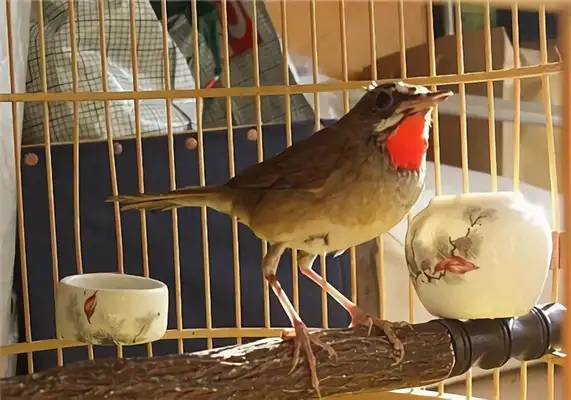
Siberian Rubythroat, alias Red Throat, Red Dots, Red Bulls, are typical migratory birds. The sound of the red bells is many and full of joy, and the morning is the most dazzling and the loudest.
Chinese literary name: Red Pill
English name: Siberian Rubythroat
Latin name: Lucinia calliope
Don't call it "Red Throat," "Red Dots", "Red Ghost."
Context: Animals
Programme: Birds
FREEDOM: FREEDOMS
Section: morphological characteristics of the red child
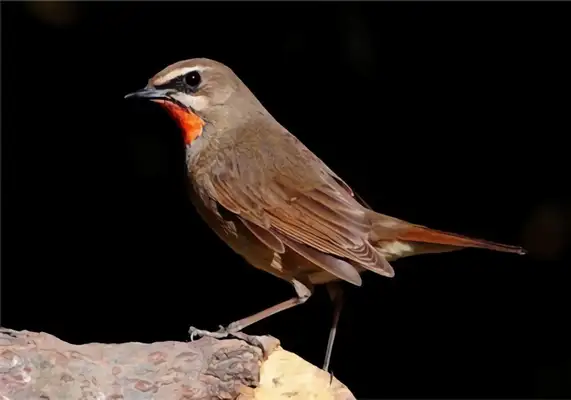
The desired length of the adult red baby should be around 150 mm and the ideal weight should be between 22 and 26 g. The male and female colours differ slightly from those of the adult. What is the difference? Here's the next one.
Adult males have olive brown on their upper body; tan on their heads and foreheads; dark brown on their wings and tails; white on their brow stripes, extending from their soles to the rear of their eyes; black on their eyes and cheeks; red on their larynx and throats; and close to white on their abdomen. The female larynx and larynx are slightly white, the older female larynx and larynx are slightly pink; the chest is brown and brown; the eyebrow is white rather than the male; and the other parts have a male-like plume. It's dark, it's light, it's light, it's a little black. The living environment of the Red Dragon
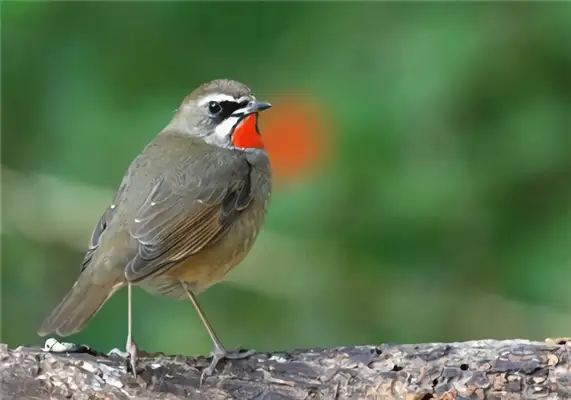
With its excellent appearance, the red baby attracts the eyeballs of many bird-loving people, and its sound is more acoustic and well suited to be a pet bird. More people are raising red bulls in order to play a game, but they do not know how demanding the environment is.
The Beijing region uses a lot of platinum paints made of fine bamboo, with fine porcelain water cans that are unique to the fine porcelain, and single cages to feed the males for their singing. Its feed is fed with raw meat and water in paste, and feeds three to five insects per day. The red larvae in the stocking is very happy and, under normal conditions, room temperature is 15°C or more, with one bath water supply per day, which should be controlled by wetting in the feathers but not only cold. In the caged environment, the bird is often unable to move, or even decomposed, by adhesive toes of faeces, so that the day-to-day environment and the body of the bird are kept clean so as not to contaminate the toes and body surfaces. I don't know.
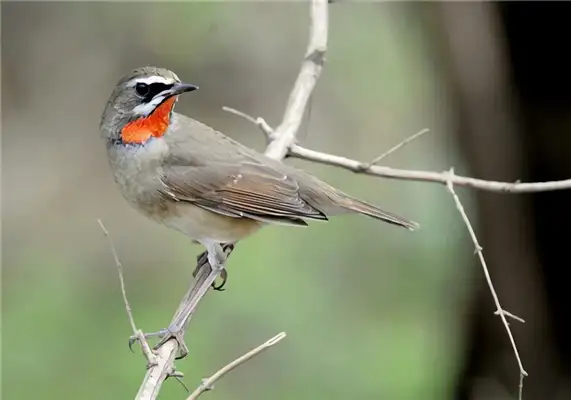
Red Zoes, compared to other birds, are more difficult to domesticate, and newly captured birds may become restless or even on hunger strike, when it is recommended that wings be fastened and that they be fed for a period of time in a quiet and dark environment, patiently fed or inducing them to become accustomed to artificially rearing the environment and artificial feed, generally adapted for one week.
The Beijing region often uses the newly captured red beaks to tie their wings to their necks, and puts them on the shelf, so that the insects attract them. Over- restive individuals can also spray a small amount of water on their plume, to the advantage of quietness and accelerated taming.
Insects are the main foods of red poachers, such as locusts, elephants and ants, in addition to a small amount of wild fruit and weed seeds. In April-June, the nest was bulged in an elliptical form consisting of weeds, dead leaves, fine roots, etc., with an entrance on one side, grasses, fibres, etc., and nests in the ground grass. Four to five eggs per nest, with a slightly grey blue green shell or red spot.