No.: PET1700
English name: Blanding
Origin: United States and Canada
Vulnerability: gastroenteritis, white eye disease
Life: About 60 years
Price: Summary of turtle species 50-2000
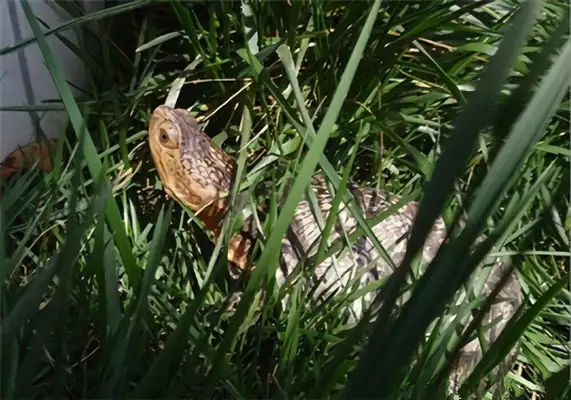
Bootskin is a semi-water turtle, mainly located in the Great Lakes region of the United States. Like calm waters, groceries, food, fish, frogs, lobsters, rotting meat, berries and vegetable fragments. Bootsy's got a temperament, a little guts, a little mobility, a good swimmer. Burdg has an average shell of 25.5 cm; the shell is 18 cm wide.
Boots makes their backs smooth, such as helmets, black, with many shapeless, radioactively organized thin spots and worms. The abdominal armour has a chain joint, yellow, and has a symmetrical distribution of large, black specks. My neck is long, my head is flat, my eyes are sharp. The male abdominal cavity is mild.
Latin name: Emidoideablandingii
English name: Blanding'stortle
Anonyms: yellow turtle, meteorite turtle, Brown Din.
Distribution: United States and Canada
Lifestyle and sexuality: strong cold tolerance, natural hibernation in water temperature of 0°C, water temperature of about 10°C, and water temperature of 22°C. Insects, fish shrimp, meat and mixed feed are fed under artificially raised conditions. Moderate, easy to domesticate and resilient.
Female and male identification: male tortoise tails are long and thick, excretion cavity holes are more distant from the back of the vest; female tortex is shorter and the excretion cavity is closer from the back of the vest.
Reproductive practice: 6 to 17 eggs per spawning season between June and July. The eggs have a long range of 28 to 39 mm and a short radius of 21 to 28 mm. Incubation period 65-80 days.
Other: The structure of the tortoises is similar to that of the tortoises: the tortoises have a tenacity belt and are closed between the back and abdomen. But the Burdish turtle is not a closed-hull turtle. But the domestic market has not yet seen any trace of this.
The abdominal armour has a chain joint, yellow, and has a symmetrical distribution of large, black specks. My neck is long, my head is flat, my eyes are sharp. The male abdominal cavity is mild. Extremely cold. They are predominantly water-dwelling, but often come up to the ground to tan or find insects and snails. They are frightfully shy, often tanned on mussel nests or logs, and flee when disturbed. Bulner has knowledge of turtle care.
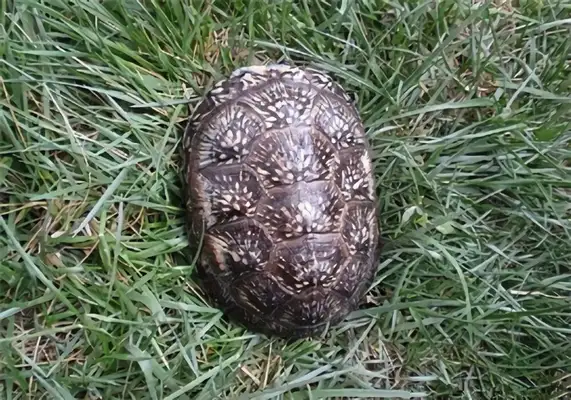
Burgers are semi-water turtles, less water-friendly than water turtles and less dry than land-based turtles, a group of turtles that can swim in shallow waters and survive on land. Its living environment factors include, inter alia, light, temperature, humidity, water and mattresses.
I. Observe.
While there are many good ways of raising good turtles, observation of turtles is one of the indispensable and very important means of raising them. In the case of Burdder turtles, observations include eyes, mouths, nostrils, activities and faeces.
Oral: Most healthy turtles have pink or peaches. The presence of white or white ulcer indicates that the turtle is ill.
2. Eyes: Healthy turtles, bright eyes, closed, free of slime and secretions. The sick turtle has white bean slag in his eyes, and he is swollen.
Nasal nostrils: Dry and slime-free surrounding nostrils. There is slime in the nostrils of sick turtles and there is blood in serious cases.
4. Activities: Healthy turtles have time to move on a daily basis and do not fall asleep; they react quickly to the surrounding environment and when feeding, do not move them to food and allow them to climb out and hunt. This allows for observation of turtle response capacity and eating. In the case of turtles who cannot take active food, care should be taken.
5. Manure: Healthy turtle faeces are cylindrical, brown or dark green, and are abnormal in liver, khaki and light green.
II. HUNTER MANAGEMENT
In hibernation, some grass, wood crumbs and leaves are added to the turtle's nest to enable the turtle to bury itself in it. The occasional rain does not pose any threat to the hibernation turtles. The hibernation of turtles requires a high humidity environment, so regular inspection of the nest environment is necessary. Turtles cannot sleep in dry boxes, which can dehydrate them to death. Burger's living conditions.
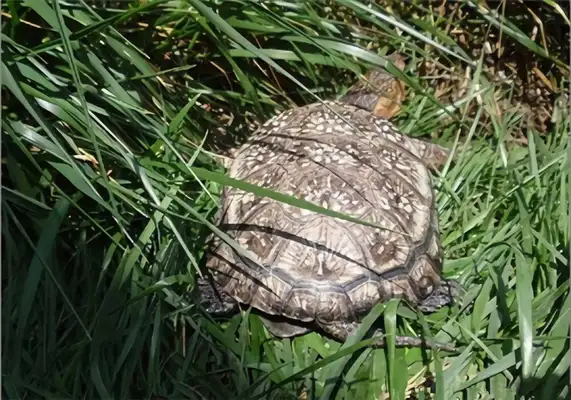
Boots like calm waters. They live in soft bottoms, well-vegetated ponds, marshes, streams and shallow areas of lakes. They are sometimes a semi-aquatic species, often found on land. In the early springs, Burdlers come out of shallows and swamps where they look for food and spouses.
I. LIGHTS
Under conditions of artificial rearing, sufficient light must be provided to prevent infestation of the fungus by turtles and also to prevent epidemiology. Indoor rearing of UVB turtles takes 4-7 hours per day, with UVB lamps irradiating 1-2 times per week with ultraviolet light, which is more appropriate for 3 hours each time.
Temperature
Tortoises rely on external heat sources to regulate their body temperature, with the exception of Burddler. Almost all of them live at 25-32°C. Slow motion, stopping etc. occur in turtles below suitable temperatures, some of which, while still available, cause indigestion due to low temperatures and poor food transformation; when above appropriate temperatures, there are sleep addictions, less food and even stoppages.
In day-to-day breeding, light bulbs, heaters and thermostats are usually connected to control temperature.
Water
The water required for the turtle is obtained from drinking water and air. Therefore, an appropriate humidity should be present in the tortage, and the provision of clean water or baths on a daily basis is a necessary measure in the breeding process. Most turtles are used to defecation during bathing, and drinking water basins must be cleaned up in time.
IV. Ploting
Outdoor turtle houses are paved with mats suitable for nature, sand mixtures, mud, gravel, stones and leaves, and are planted with low vegetation to hide them. An indoor tortarian mattress suggests a sand mattress and some dead leaves. They can also be laid directly on earth, and it is better to feed small animals, such as earthworms, so that turtles can feed themselves. Tortoises are reluctant to be raised in cement ponds or glass tanks without mattresses to avoid damage to turtle claws. Brewer's about to feed the turtle.
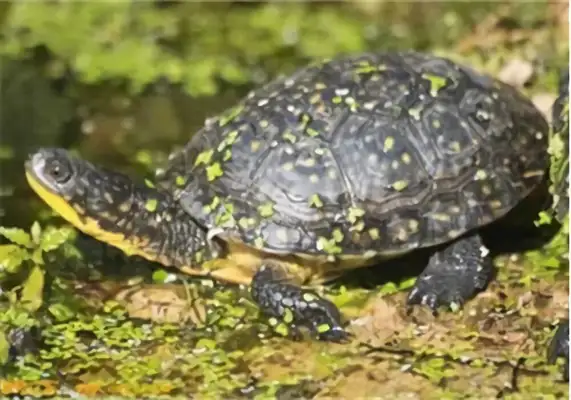
Bulner makes the tortoise predominantly aquatic, but often comes up to the ground to tan or search for insects and snails. They are frightfully shy, often tanned on mussel nests or logs, and flee when disturbed.
I. BOB TOOLS IN THE FIELD
In the wild, the mantles grow mainly meaty and sometimes vegetarian. In the wild, their food consists mainly of crustaceans (e.g. lobster), insects and their larvae. Other aquatic invertebrates are as good as leeches and snails. Booster turtles are opportunists, they have long necks, they eat like crocodiles and chicken turtles, and when little party fish swim through them, they suddenly stretch their necks and feed them into their mouths.
II. Artificial Burdish turtles
It is believed that the groceries of the groceries are also impregnable, and that the veggies also feed. Animal foods include insects, small aquatic animals, invertebrates, such as snails, snails, earthworms, worms, crickets, yellow powders, etc.; and cat foods with low fat, dog foods. Vegetable foods include vegetables, guacamole, etc. such as tomatoes, bananas, hollow cabbage, grass and grapes. Daily feeding is appropriate once or twice a day. In spring and summer, higher feeding rates are given, and in autumn and late autumn, especially when temperatures are unstable, it is preferred to be less fed or less fed, or else to suffer from diseases such as indigestion as a result of high temperatures and food intake by turtles. Food types are more appropriately mixed with entropy, and animal food is used to feed between 1-2 times a week.