Designation: PET6345
English name: Ernestes Murinus
Vulnerability: oral inflammation
Life: Overview of species of hydroponics 10-12 years
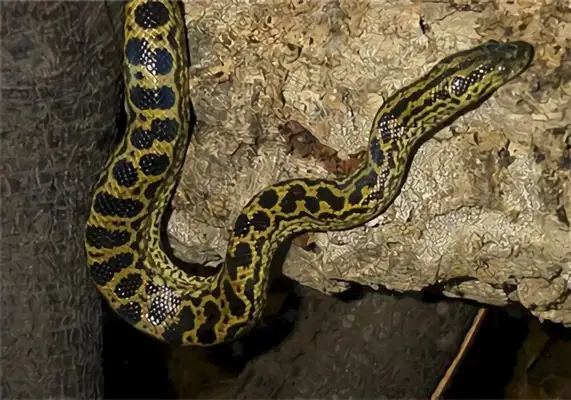
Eunestes Murinus, also known as anaconda, is located mainly in the Amazon basin of South America, where the snake is about 6 m long and the newborn is 70-80 cm. The main habit is found in rivers, which can be buried in the water for long periods of time or have their heads exposed.
There was a guacamole that ate an adult, wounded aguilla, which, though too big to break its belly, swallowed it all. The hydroponics, which may be related to the drying of the waters in which they live, can be buried in the sludge to reduce the evaporation of the body ' s moisture.
Chinese literary name: Shuu Ji
Latin name: Ernestes Murinus
Don't call it "Omori".
Context: Animals
Gate: Pipeline gate
Programme: climb
I've got eyes.
ANA: Snake
Section: Section
Yako: 蚺
Yes: No Viper
Speculation: Speciculture
Subspecies: hydroponic subspecies
Region of distribution: morphological characteristics of the Amazon basin in South America
There are many species of aqueous, mainly Amazonian, green, etc. Because of their size, their diets are also unimaginable, and the consumption of a fat man is usually only half-saturated, and the adult water plumes typically exceed three metres. According to the data, the longest water plume can be found at 13 metres, weighing approximately 400 kg. South America-specific. However, in the end, no one ate much of it, and more than 60 tons of water were said to have been slaughtered each year. Living conditions in water
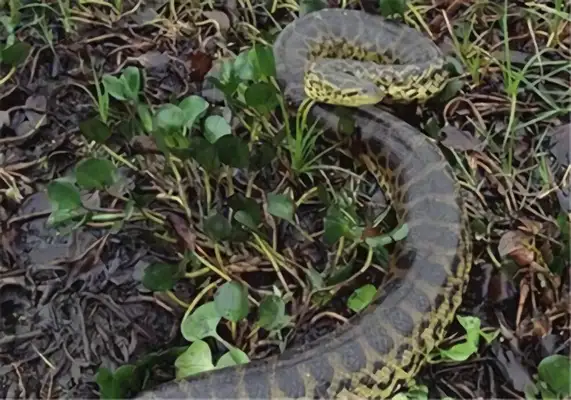
Despite its large size and its more gruesome physical features, the aqueous is a non-venomous snake under the name of the Viper Acacia, and four varieties have been identified. Aqueous is also the largest snake in the world. It's the largest of the existing snakes.
They are mainly in the marshes, so they have to be supported by water buoyancy because they are too big, so they are swimmers who eat any kind of lactation, even crocodiles, have no predators (in fact, they are eaten by crocodiles, or by humans) and have eggs; they may have to do with the drying of the waters in which they live, and can be buried in mud to reduce the evaporation of water in their bodies.
South America's waterfall is also a prototype of anaconda movie. Power is the crown of snakes, and gator hangings are common and are the true masters of the Amazon basin. There is no natural enemy except humans, but it does not generally attack humans, but you better not approach it. Knowledge of water rearing
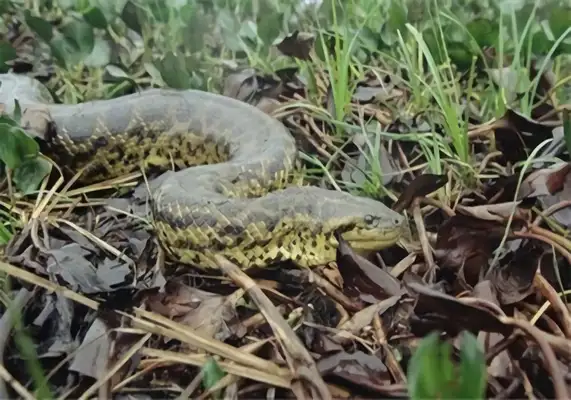
Although it is not toxic, it is not suitable for domestic breeding, which is very large in size, so eating a fat one is usually half-saturated, with a high cost of raising it, as is the case with most snakes.
Anacondas are more daunting. They usually defend themselves by retreating. If besieged, anacondas can bite people, and they are so big and so heavy that they are dangerous to people. The females keep the fertilized eggs inside their bodies until they hatch. More than 10-70 pythones per birth. It's a draught.
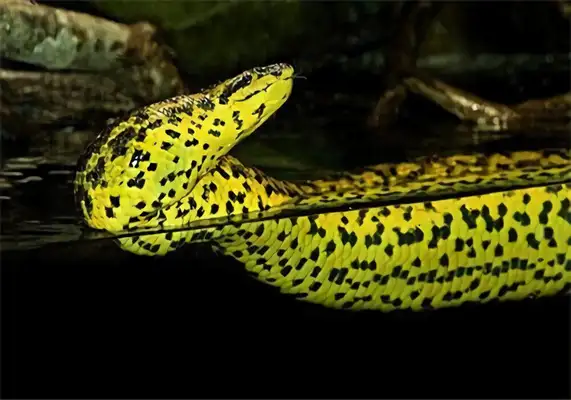
The main predators are turtles, birds, mammals, and small reptiles (e.g. caymans) — the South American crocodiles. They are captured by suffocating or drowning their prey in water.
The water can be found in rivers, but for long periods of time it is either not in the water or the head is exposed. The main predators of terrestrial animals, such as mammals and birds, also eat gators in some places and have eggs. There was a guacamole that ate an adult, wounded aguilla, which, though too big to break its belly, swallowed it all.