No.: PET3626
English name: White-spoked observer
Origin: Central and Southern Africa
Life: 150-year brief on the species of diphtheria iguana
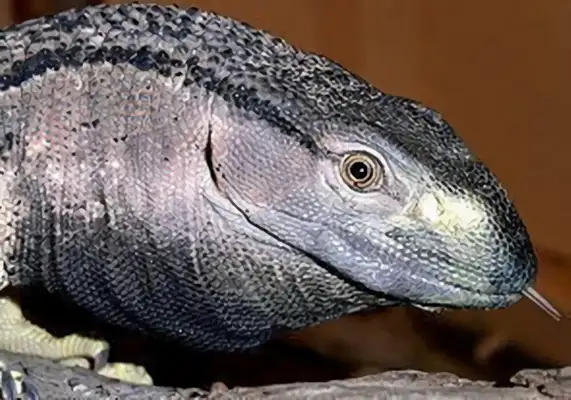
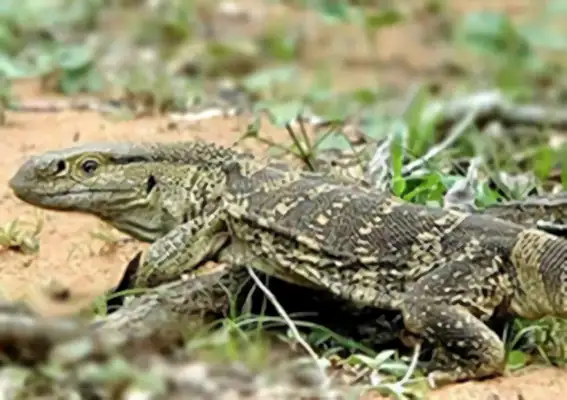
White-throated lizard, school name: Varanus albigularis. Diphtheria iguanas are the more typical iguanas, and the iguanas have the properties of essentially diphtheria iguanas.
Origin: Central and Southern Africa
Habitat: dry and reckless forested areas
Length: Total length 140-200 cm
Temperature: 25-30 degrees Celsius Diphtheria magna
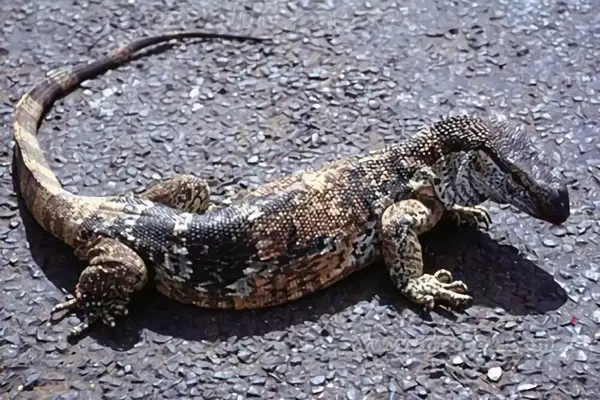
The diphtheria giant is a large and strong lizard. Since the diphtheria iguanas prefer to hide in caves, quarries or piles of trees for their protection, they belong to both gestation and tree habitat.
The diphtheria iguana, which is scattered in South Africa, is also known as the diphtheria iguana because of its black bands of sorrow, and the color of the diphtheria iguana is one of the more visible of the three diphtheria subspecies. Diphtheria iguanas have the same habits and iguanas. Adult diphtheria giant iguana type 5' - 6'. Of a giant, strong lizard. I don't know.
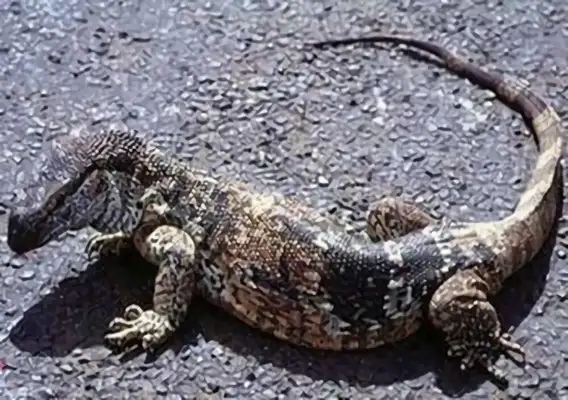
The time of activity of the diphtheria lizards is daytime; however, because of the sharp claws of the diphtheria lizards, the seats are also very high in terms of the ability to climb trees and are not so critical to environmental and food requirements.
The raising of diphtheria iguanas takes 12-14 hours of direct sunlight exposure or ultraviolet lighting equipment (e.g. UV PV 5.0, strong UV lights). Particular attention is drawn to the need for a private place to raise diphtheria iguanas, where artificial caves can be used (e.g., tree caves, hot caves). Environmental requirements for raising diphtheria iguanas
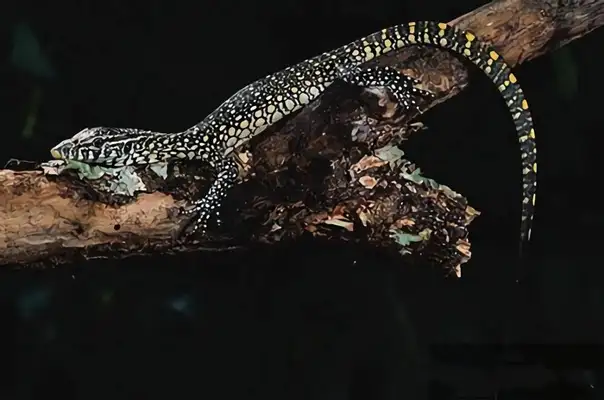
It is important to note that, since diphtheria lizards are very large, care needs to be taken to give them sufficient space to operate, otherwise they are vulnerable to obesity if they are not properly fed and have insufficient exercise space, leading to a significant reduction in their longevity.
Temperature: 32-35 °C - point of light (e.g. solar lamp) 25-30 °C - day (e.g. day blue lamp) 22-26 °C - night (e.g. night red light, infrared heater, ceramic heater). It would be preferable to have simple and clean breeding boxes for diphtheria giants, especially for adults. Big enough. (e.g. booked wooden cabinets, glass rearing boxes). Ceilings, barks (e.g. barks, coconut shells), gravel, sand (e.g. reptile sand, calcium sand), man-made paper chips (e.g. compressed paper particles). Diphtheria giant lizard food demand
While the environmental and practical needs of diphtheria lizards are not critical, players must be careful to control the amount of food they feed when raising diphtheria lizards, which, although large, can lead to obesity if they are not controlled and if they do not have enough exercise.
Diphtheria iguanas are predominantly carnivore-based and can be fed mainly by rats, meat chips, ducks, bullfrogs, eggs, snails, cat-dog feed, etc., and vitamin calcium powder supplements can be minimized.
It should be noted that the iguanas are of a certain aggressive nature, so protection is necessary when raising diphtheria iguanas.