Designation: PET2297
Origin: India, Sri Lanka and Myanmar in southern Asia
Vulnerability to diseases: albino disease, rotting tail disease
Life: 3-5-year overview of black-blank varieties
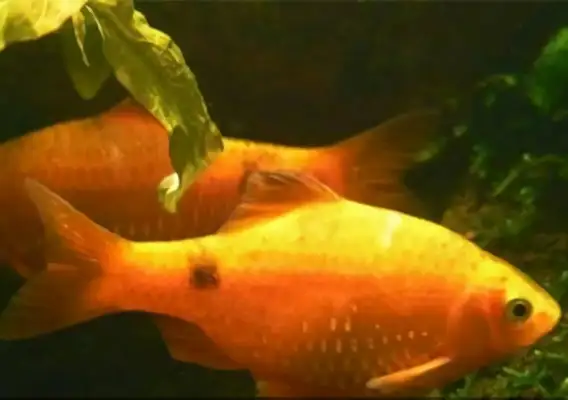
Black spots are mainly found in southern Asia, India and Sri Lanka, where a large black stripe on the tail is their main feature and is therefore called black spots. The black scabs belong to a variety of groceries, which are less difficult to raise.
Chinese name: Black-blank
Geographical distribution: India, Sri Lanka and Myanmar in southern Asia.
Reproduction: Eggs.
Climate zone: tropical
difficulty of raising: easy
Water temperature: 22-26°C
Hardness: 5-10dGH
Ph: 6.0-6.5
Eativity: Consumable black-and-blank appearance
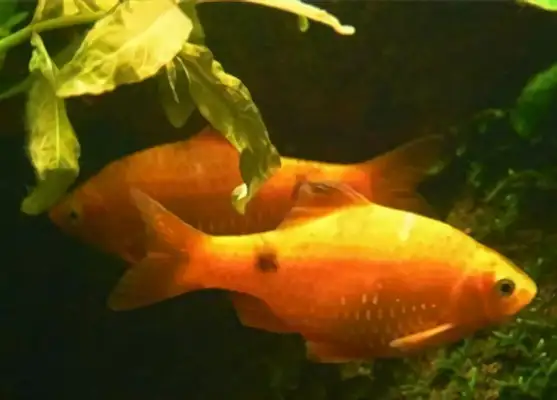
A large black stripe on the tail handles of the plasters is their most important feature, which is tropical fish viewing, making it less difficult to raise. It needs to be noted that black spots like to jump from a tatter, so when the sun sets, you should put a cap on the aquarium.
Black spots are found in southern Asia in India, Sri Lanka and Myanmar. Be gentle and strong. The colour is blue and silver, exposed to light, which glows in the form of metal, with a large black stripe on the tail bearing, which is referred to as the “black spot”. There are four stripes on the side of the juvenile fish, which gradually disappear as they grow, leaving only spots on the tail handle. Black-blank breeding environment
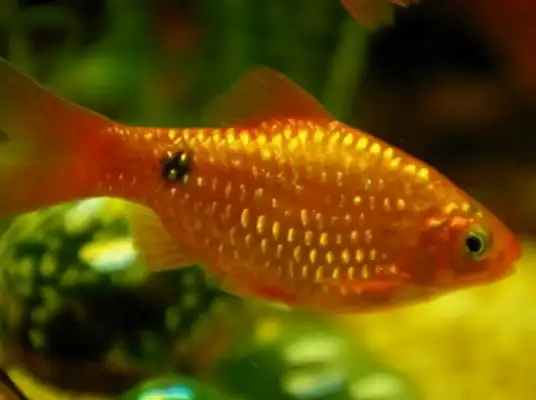
It is important to note that they like to jump from the tatters, so they need to be covered when preparing aquariums for the tatters in order to avoid death. It is best to keep it in aquariums with sunken wood and watergrass.
Black-blank scavengers are gentle enough to mix with small fish. The temperature of black-blanked water is typically at 22-26°C, which prefers a weak acidic water quality, which in fact is less demanding. The plastic bag containing the black plaster is placed in the fish tank for 10-20 minutes and the bag is opened to allow the black plaster to flow into the fish tank. The next step is the careful management of black-breeding. I've got something to eat.
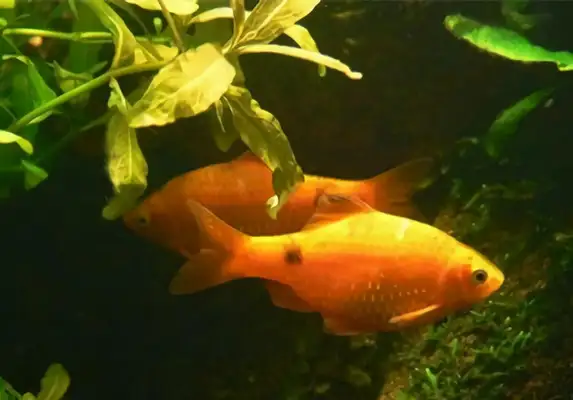
The difficulty of raising black-coloured larvae is also reflected in their feeding. Black-coloured larvae are a non-food-dependent species, with live baits (including daphnia, earthworms, red worms, etc.), artificial granule feed and even watergrass or vegetable leaves.
The bait must be delivered in accordance with the four fixed principles of timing, location, quality and quantity. It would be more appropriate for feed to be fed daily from 9 a.m. to 10 a.m. and from 16:00 to 17:00 p.m. Live baits, such as those fed to fish insects, can be dropped once in the morning, and in the case of fishes, it is necessary to ensure that there are open baits such as worms, weeds or egg yolks in the tank. Care is taken to feed earthworms while they are suspended from the water in a perforated plastic box, free to eat. Feeding other shredded animal baits would be better placed in a “scrambling” basket; baits should be fixed so that concentrated feeding can reduce waste; baits must be fresh and not corruptly spoiled; and the amount of bait needed to satisfy fish growth should not be excessive. Daily baiting is generally based on a combination of 2-4 per cent of the total weight of the fish and 30-60 minutes after the baiting.