Snake non-eat food alternatives: a complete response guide
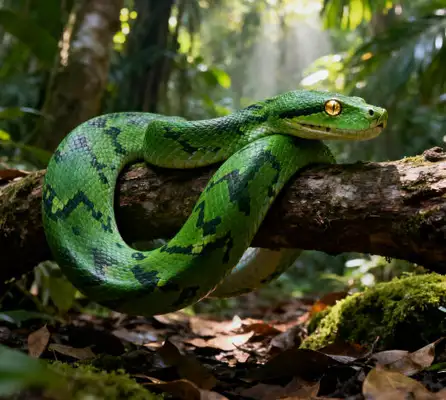
The reasons for the content focus on food denials are diverse: health problems, environmental factors, pressures, age groups, frequency of feeding and prey preferences may affect snake feeding. A simple change of prey may not solve the underlying problem and require a comprehensive review. Alternative foods are not “substitute consumer goods”, but rather extend acceptable recipes based on the biological characteristics of snakes. The goal is to maintain weight and energy levels while reducing the risk of feeding and injury. Transition requires science: the gradual introduction of new preys to control the size of preys to ensure safety and nutritional balance; recording of responses for each feeding to facilitate adjustment of programmes. Safety and health priorities: care for oral health, digestive capacity, excretion in the process of adjustment; avoidance of the use of non-compliant or disease-risk prey and, where necessary, consultation with veterinary doctors.
Complete response (step-by-step) 1) First, a comprehensive examination of health and environmental factors is excluded: whether oral, dental, gnawing, parasites, infections, diseases of the digestive system, etc. affect oscillation or gastrointestinal functions. Temperature and light: Ensure a reasonable distribution of gasking spot temperatures, low temperature at night, adequate humidity for snake species, adequate shelter and routine of day and night circulation. Drinking water and stress sources: Clean water sources are sufficient to avoid pressures from environmental noise, disturbance, frequent changes of habitat, etc. 2) Assessment of the record and analysis of food preferences and transition strategies: The last six to eight weeks of feeding, the accepted prey type, the period of non-attribution, weight change, etc.; finding common threads. Targeting: Feeding targets (e.g., maintaining weight, increasing energy intake, reducing stress due to waiting time) that are clearly desired through substitution. The principle of transition: any substitution prey should be based on the principle of “low, gradual and manageable” and avoid a one-time forced change. 3) Specific options for alternative foods and application points for bird larvae and small poultry: quail, chicken, pigeon, etc. Advantages are high nutrition and diverse tastes; deficiencies are difficult to access, and certain snakes have a different sense of smell to birds than chew. Application points: The selection of poultry seed matching the size of the snake is the most appropriate body weight to the size of the snake, avoiding prey too large to cause swallowing difficulties; it may be thawed or live feeding, depending on individual circumstances. At the first attempt, as much as possible, the seedlings should be odoured or mixed with a small amount of familiar scent to increase acceptance. Small lizards, lizard meat (for these preys only) with a clear acceptance of snake species: e.g. of the same sex, medium size. Risks are parasitics and diseases and must therefore come from credible sources and be completely quarantined. Application points: select lizards without parasite risk to ensure that body weight matches the capacity of snakes to swallow; and monitor reactions with very small trials at the initial stage. Fish and amphibians (acceptable for certain watery or semi-water snake species): freshwater fish, thorium, frogs, etc. The risks of aquatic parasites and heavy metals require attention and are not suitable for all snakes. Point of application: Prioritize cold and unfrozen feeding, ensure that fish are bone-free and tasteless, and closely observe digestion after feeding. Other sources of protein (recaution is required): for example, small amounts of meat in block form, canned jars, etc., should be tried only in certain circumstances and it must be ensured that there is no addition, no high salinity and no viper. 4) Week 1-2 of the specific practice for the transition: introduction of a odour-inducing or mixed feeding method as an alternative to prey based on old rat feeding. Substitute prey can be added slightly to the odour of a small rat or mixed feeding to reduce the resistance of snakes. Week 3-4: Raise the ratio of replacement prey and gradually reduce the percentage of rats until it is entirely replaced by prey. The feeding time has remained stable and frequent changes in feeding patterns have been avoided. Week 5-6 and beyond: If snakes continue to accept replacement prey, record body weight and condition, adjust the prey size and frequency in due course; if the risk of non-attribution continues, consult veterinary doctors to make individualisation adjustments. 5) Prey size of feeding safety and operational points and capacity to swallow: normally, the diameter of the prey should not exceed 1.2-1.5 times the width of the snake head by reference to the width of the snake, and the weight should be controlled at around 15% of the body weight (specifically the species and the individual). Preference and safety go hand in hand: avoid excessive stress or harm caused by forced feeding of living prey; if a living is chosen, ensure professional supervision and control of the environment, and avoid harm caused by animal attacks. Pre-treatment and temperature: properly defrozen and hot for prey to release the scent to increase attractiveness; when feeding, the prey is placed in a clean feeding container to avoid the convection of the whole cylinder. Health and disease prevention: use of clean equipment to avoid cross-pollution; regular cleaning of the breeding environment to prevent the spread of pathogens. 6) Establishment of feeding logs for documentation and evaluation mechanisms: recording of prey type, size, feeding pattern, success, feeding time, snake weight, appearance (e.g. activity, defecation). Monthly assessment: Compare body weight, health rating and activity level to determine whether replacement prey has met the feeding target, adjust the programme if necessary or revert to its original prey. 7) When to seek help and stopovers for four to six consecutive weeks without being able to feed replacement prey, or signs of apparent loss of weight, extended time of rejection, difficulty of swallowing, etc., should be referred to the veterinary doctor in a timely manner. Unusual symptoms such as defecation, vomiting and persistent diarrhoea must be professionally assessed as soon as possible.
Attitudinal changes in dialogue and experimentation often require patience and observation. Each snake is an individual, and preferences vary widely and cannot be “one size fits all”. In the experiment with the new prey, it is carried out in a moderate and gradual manner, while maintaining sensitivity to health and, if necessary, teaching experienced snake-keeping professionals or veterinarians. Finally, the goal of alternative food is to keep snakes healthy and optimistic about their consumption experience rather than to make feeding more painful. Scientificly, carefully and patiently adjusted, often help individuals to emerge from the food-restraint situation.
Summarizing the situation in the case of snake-resistant rodents, the key is comprehensive diagnosis, environmental optimization, gradual introduction of alternative prey and dynamic adjustments driven by records and assessments. The programme emphasizes flexibility and science: protecting the health of snakes while respecting individual preferences, leading to stable and safe feeding. In complex situations, do not hesitate to seek professional advice to safeguard the long-term well-being of pets.