Title: PET6210
English name: Orange Pearl-scale with Phoenix Tail
Vulnerability to disease: end-of-life disease
Life: 2-3 years of introduction to orange phoenix pearl species
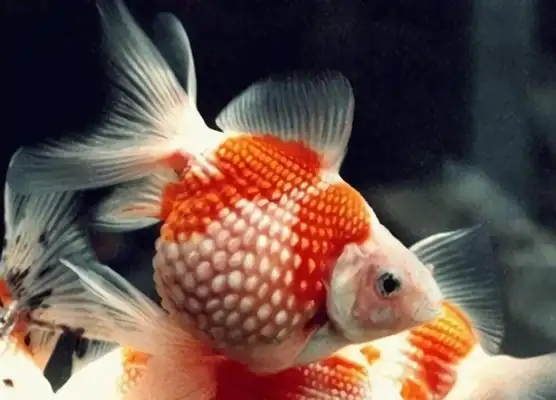
Orange phoenix pearls have appeared as early as 1925, and as orange phoenix pearls have slightly more abdomen than ordinary pearl fish, white scales will become more prominent and very popular with goldfish good people, who belong to the cultural goldfish.
Chinese: Orange phoenix pearl
English name: Orange Pearl-scale with Phoenix Tail
Gate: Pipeline gate
Programme: sauna
IM: Wall
Yako: Sakako
Context: Animals
Amen: vertebrate Amen.
ANALYSIS: SCIENTIFIC FISH
Section: Wallwork
Ethnic group: Cyclops in the shape of orange phoenix pearls
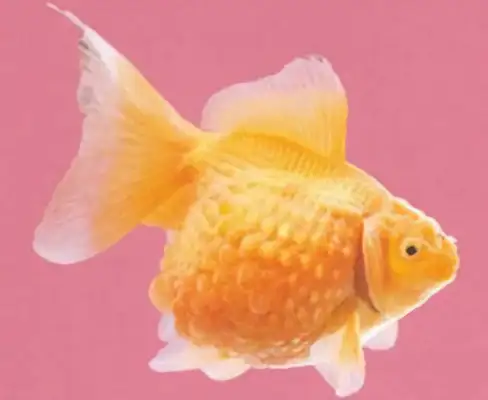
The orange phoenix pearls have a permeable body of fish, with two tippings and short tails, while the orange phoenix pearls have a “gear” that is more round than the ordinary pearls, so we can see that their white scales are more prominent. The orange phoenix pearls are very much loved by goldfish.
For the first time, Suyan County produced a bellow-like pearlfish, which is still under-rich. On this basis, Fukuko breeds a small, small, abdominal pearlfish, which is a rolling ball. The beads are soared by the abdominal circle that they resemble tropical fish. Small tails, slow motion, like a ball is rolling slowly, very interesting. It is extremely difficult to feed, is shallow, is hard to feed, is particularly live bait, and is less likely to eat many meals, and is key to development. The fish is colourful and colour-stained; in recent years, it has become a new, transparent, blue-coloured, small-coloured person, which gives people a sense of clarity. The pearlfish has many colours, and although it is full of plume, numerous grains of beads and white, it is valuable, impressive and price-enhancing because of the red spots on the top, which are like red stones embedded in silver pearls. The orange phoenix pearls are more popular in colour! Orange phoenix pearl breeding environment
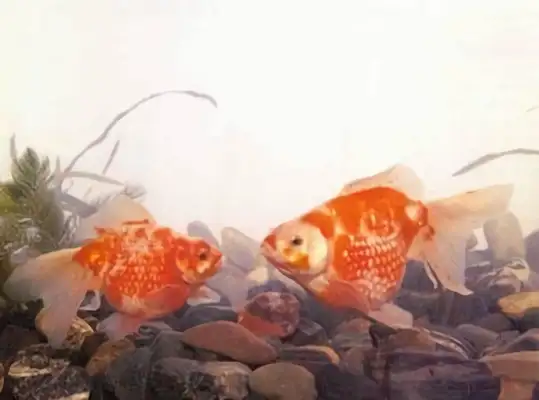
Orange phoenix pearls are very gentle in character and can be fed with goldfish of all shapes and colours, and there will be no fights, although during the breeding season they are remembered for isolation measures. Although the range of adaptations to water temperature is large, orange phoenix pearls are also not adapted to the temperature changes of the dye, so this needs attention when raising orange phoenix pearls.
Orange phoenix pearls are thermogenic animals whose temperature can vary with water temperature, but their temperature cannot change indefinitely with water temperature. Overcooled or overheated weather affects the growth and development of goldfish. The optimal living temperature is 22-24°C, also known as the growth temperature. At the highest temperatures, the baits are extremely strong, growing at the fastest speed, excreta and oxygen consumption are increasing and their physiological requirements are highest. In practice, during this period, water was exchanged or exchanged for water for three days, and the fish were kept in the state of water clean and oxygen-sufficient baits.
The orange phoenix pearls, at 15-18°C water temperature, are medium-sized, have normal activity and have the longest water quality preservation period and are relatively manageable stages for goldfish. Orange phoenix pearls are able to survive normally in water ranging from 6.0 to 9.5, and are susceptible to disease and even death, with a maximum range of 7.5 to 8.5. In addition, goldfish cannot withstand dramatic pH changes. Orange phoenix pearls.
Orange phoenix pearls are food-intensive, albeit impurity fish, but they prefer animal feed, which requires abundant nutrients, such as proteins and fat, and the choice of suitable feed for orange phoenix pearls is of great concern to many fish friends. With the exception of the “cattle” feed, which is exclusively given to orange phoenix pearls, which is the main food feed, it is essential that there be enough protein so that the fish can grow a beautiful hexa-gas formation, and more than 40 per cent of the protein content is needed if the orange phoenix pearls are to have a thick atmospheric head tumor.