Designation: PET2448
English name: Avicularia huriana
Country of origin: Overview of Ecuadorian wool pink toe varieties in the southern tropical rainforest of Ecuador
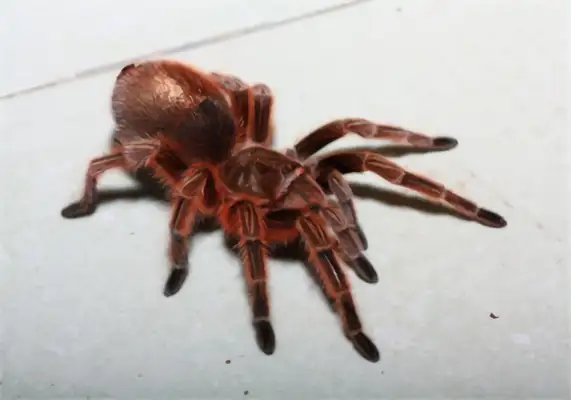
Ecuador's wool pink toe is an unusual pink toe, which can reach 19 centimetres of foot after formation and which is very similar to that of the most common type of Guyana pink toe.
Chinese name: Ecuadorian wool toe spider
Latin name: Avicularia huriana
Origin: Southern Tropical Rainforest of Ecuador
Avicularia is the skin of Ecuadorian wool pink toes.
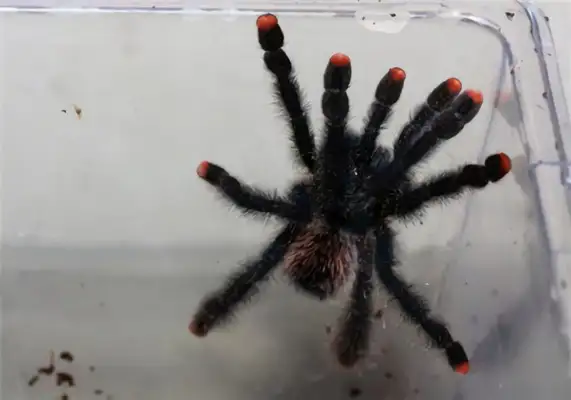
The red toe of Ecuadorian wool belongs to the larger category of Avicularia, which can be formed up to 16-17 cm. However, the larvae of the Ecuadorian wool pink toe is very vulnerable and requires special attention when raising it.
The image of adult Ecuadorian wool pink toes is similar to that of the Guyana pink toe, which is the most common type, although a clear difference can be seen in colour, with yellow hair covered in a light green body, making it look always velvet. The color of their larvae is very similar to that of Guyana's pink toes, although the difference can still be seen in the colour. Ecuadorian wool pink toe breeding environment
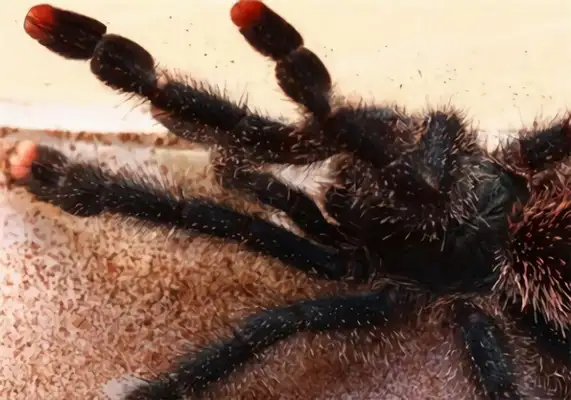
The larvae of Ecuadorian wool can sometimes be very vulnerable, so it is necessary to control the humidity and ventilation of the larvae boxes in the process of artificial rearing. Otherwise, there is a high risk of death among young Ecuadorians.
The suitable temperature of the red toe of Ecuadorian wool is 26-28°C and the suitable humidity is 85%, and wet peat, coconut brick, clay is recommended as the base. In rearing, their environmental configuration should be organized by reference to typical species of tree habitats. A piece of bark is necessary for them to climb the nest. Point of food for the pink toe of the wool of Ecuador
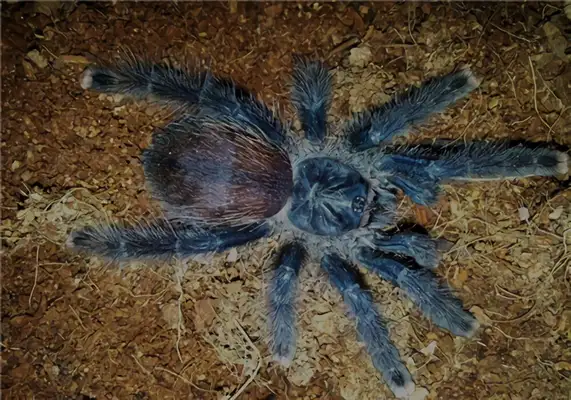
Ecuadorian wool pink toes are an unusual pink toe, and their larvae are much more difficult to raise than adult ones, so players wishing to raise Ecuadorian wool pink toe need to pay attention to this problem.
With regard to the feeding of Ecuadorian wool pink toes, the choice should also be made not to exceed one third of the size of their bodies, so that they do not feel incapable of catching and abandon their feeding. It is recommended that wet peat, coconut brick, clay be used as base material. In rearing, their environmental configuration should be organized by reference to typical species of tree habitats.