Designation: PET1137
English name: Easter Island Butterflyish
Nationality: Easter Island
Vulnerability to disease: end-of-life disease
Life: Overview of Easter butterfly species 4-5 years
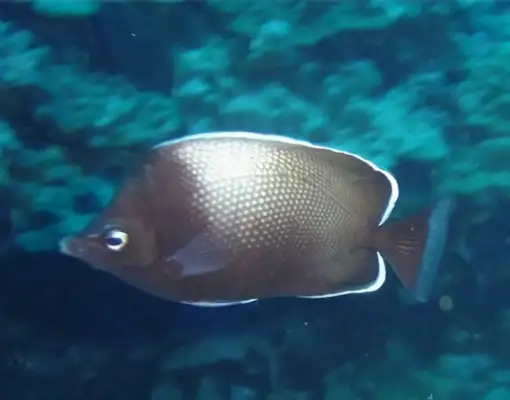
Easter butterflies are tropical fish viewers, and the appearance of them is more clearly visible from the picture, with their kisses pointed, but not extended to tubles with a single back fin. They all have grey and white spots on them, so they form a grid pattern.
Chinese: Easterfly
Famous alias: Butterflyfish
English name: Easter Island Butterflyish
Latin name: Chaetodon litus
Named, Year: Randall & Caldwell, 1973
Geographical distribution: the coral reef area in the South-East Pacific is located only in the Easter Island area.
Climate zone: subtropical
Endangered state: CITES: (VU) (D2), 01-Aug-1996 resurgent island butterflies
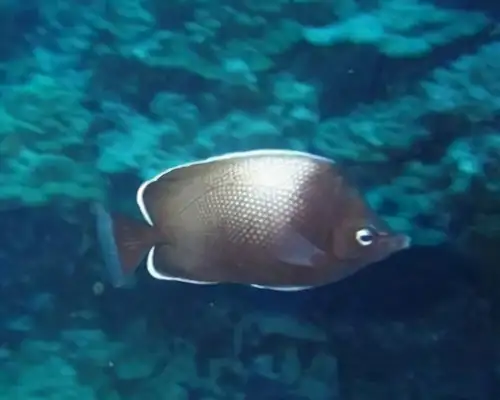
The shape of Easter butterflies from coral reef areas in the south-east Pacific is very specific, and we can actually see clearly from the picture. The maximum length of fish in Easter Island is 15 cm, and the total number of back fins is 13.
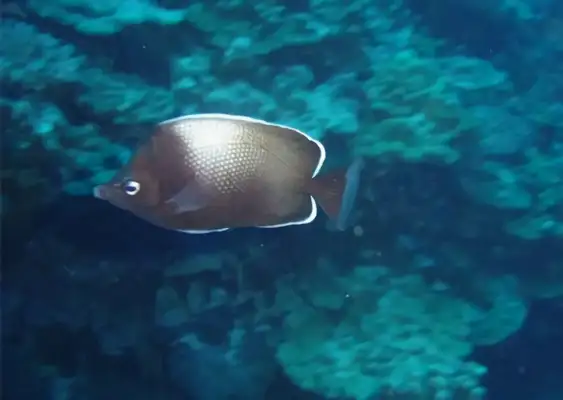
Easter butterflies are tall and ovarian, with a flat contours above their heads and a small dent in their nostrils. The kiss is sharp, but it does not extend to a tube, with a nostril in front of the nose. Ex-gill lids are fine-cut, and the gill membranes are connected to the isthmus. Two dents of a sharp line. The body is covered by medium-sized scales, but the back side is smaller; the side line rises up to the lower side of the back fin 9-10 thorn and falls to the lower end of the back fin base. Back fin single. It is consistent in brown and brown, and each piece of plaster on its side is grey and white, forming a grid pattern. The fins are consistent with the colour, the pecs and tails are slightly less transparent and the backs and hips are blue and white. Easter Island butterfly breeding environment
It is important to ensure the quality of water, which is very demanding because it belongs to tropical seawater fish, and to learn more about raising seawater fish before raising it.
The pH for the resuscitation butterflies ranges from 8.1 to 8.4; the ratio is 1.020 to 1.025. The water temperature is recommended at 24°C - 27°C. The waters of the reefs covered by algae are preferred between 1 and 25 metres deep, with juvenile fish living in intertidal pits. They can quickly and agilely pass through coral branches or rock cracks, suitable for reaching coral caves to capture invertebrates. Here's some food for Easter.
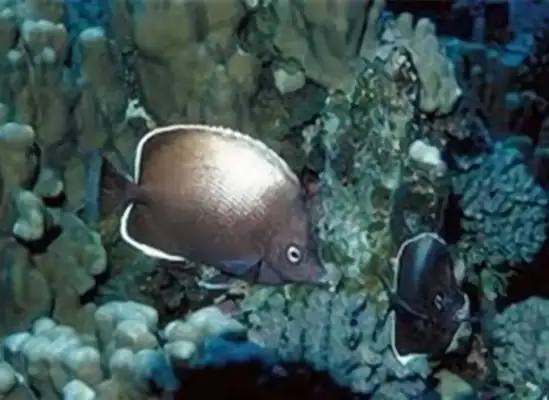
Every piece of Easter butterflies has grey and white spots, so we can see from the picture that Easter butterflies are on the side of a grid that is very distinctive and only for viewing purposes. Easter butterflies, mainly located on Easter Island in the South-East Pacific, are endemic.
Easter butterflies prefer to eat small animals bound to corals or rocks with sharp mouths, mainly seaweeds and invertebrates, and also other fish peckers. Easter butterflies are carnival, and juvenile fish feed on parasites from other fish, and small invertebrates.